Setting up a proper habitat for a red-eared slider turtle is one of the most important steps you’ll take as a new turtle owner. These popular semi-aquatic reptiles require specific environmental conditions to thrive, and getting the setup right from the start will ensure your turtle lives a long, healthy life. In this comprehensive guide, we’ll walk you through everything you need to know about creating the perfect red-eared slider turtle setup.
Understanding Red-Eared Slider Turtle Habitat Requirements
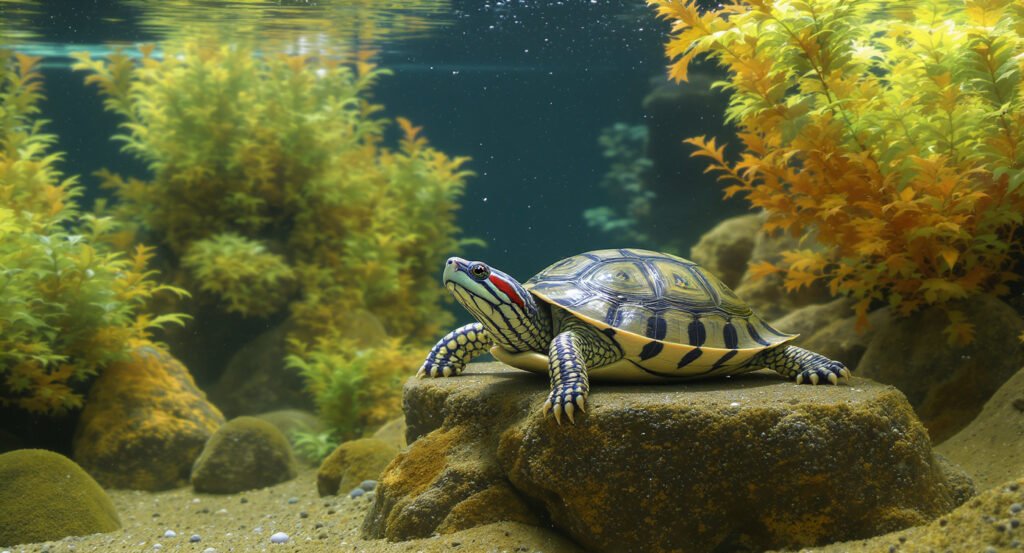
Red-eared sliders are native to the southern United States and require both aquatic and terrestrial environments. In the wild, they spend their time swimming, hunting for food, and basking on logs or rocks. Your setup needs to replicate these natural behaviors. A proper red-eared slider habitat includes a large tank, clean filtered water, a basking area with UVB lighting, and proper heating to maintain optimal temperatures year-round.
Choosing the Right Tank Size
Tank size is critical for red-eared slider turtles. Many beginners make the mistake of purchasing a small tank, only to discover their turtle quickly outgrows it. Here are the recommended tank sizes based on turtle size:
- Hatchlings (2-3 inches): Minimum 20-gallon tank
- Juveniles (3-5 inches): Minimum 40-gallon tank
- Adults (6-12 inches): Minimum 75-125 gallon tank
Remember that red-eared sliders can grow up to 12 inches in length, and females are typically larger than males. A general rule of thumb is to provide 10 gallons of water per inch of shell length. If you’re setting up for a young turtle, plan ahead and consider investing in a larger tank that will accommodate adult size to avoid multiple upgrades.
Worried About Your Reptile's Health?
Upload a photo and get instant AI health analysis. Catch problems before they become expensive vet bills.
Get Free Health Check →Water Requirements and Filtration
Water quality is absolutely essential for red-eared slider health. These turtles are messy eaters and produce significant waste, so you’ll need a powerful filtration system. The water should be deep enough for your turtle to swim comfortably—at least 1.5 to 2 times the length of the turtle’s shell.
Key water requirements include:
- Filter: Use a canister filter rated for 2-3 times your tank volume
- Water temperature: Maintain between 75-78°F (24-26°C)
- Water changes: Perform 25-30% water changes weekly
- Dechlorinator: Always treat tap water before adding it to the tank
Invest in a quality aquarium heater with a protective guard to prevent burns. Test your water regularly using an aquarium test kit to monitor ammonia, nitrite, nitrate, and pH levels.
Creating the Perfect Basking Area
Red-eared sliders need a dry basking platform where they can completely emerge from the water to dry off and warm up. The basking area should be easily accessible with a gentle ramp or slope and large enough for your turtle to turn around comfortably.
Never Miss Early Warning Signs
AI photo analysis catches subtle health issues humans miss 80% of the time. Early detection = healthier reptile + lower vet bills.
Start Free Trial →Basking area essentials:
- Platform: Commercial turtle docks, floating platforms, or stacked rocks
- Size: At least 1.5 times the turtle’s shell length
- Temperature: 88-95°F (31-35°C) directly under the heat lamp
- Accessibility: Easy entry and exit points from the water
You can purchase ready-made basking platforms or create your own using aquarium-safe materials. Ensure any DIY materials are non-toxic and won’t leach chemicals into the water.
Lighting: UVB and Heat Lamps
Proper lighting is non-negotiable for red-eared slider health. These turtles require both UVB lighting for vitamin D3 synthesis and calcium absorption, plus a heat lamp for thermoregulation.
Lighting setup should include:
Join thousands of successful reptile owners
Try ReptileCoach Free →- UVB bulb: 10-12% UVB output, replaced every 6-12 months
- Heat lamp: 75-100 watt basking bulb depending on tank size
- Photoperiod: 10-12 hours of light per day
- Placement: Position lights 6-12 inches above basking area
Use a timer to maintain a consistent day-night cycle, which helps regulate your turtle’s biological rhythms and supports healthy behavior patterns.
Substrate and Tank Decorations
Many experienced keepers prefer a bare-bottom tank for red-eared sliders, as it makes cleaning easier and eliminates the risk of substrate ingestion. However, if you prefer a naturalistic look, you can use large river rocks (too large to swallow) or sand as substrate.
Safe decorations include:
- Smooth river rocks and driftwood
- Live or artificial aquatic plants
- PVC pipe hideouts
- Commercial aquarium decorations (ensure no sharp edges)
Avoid small gravel that can be accidentally ingested, and regularly inspect decorations for wear or damage that could injure your turtle.
"This app saved my bearded dragon's life. The AI caught early MBD in photos I thought looked completely normal. Worth every penny!"
— Sarah K., ReptileCoach User
Get Your Free 7-Day Trial →Temperature Monitoring and Control
Maintaining proper temperatures throughout the habitat is crucial. You’ll need separate thermometers for the water temperature and basking area temperature. Digital thermometers with remote probes provide the most accurate readings.
Create a temperature gradient in your tank so your turtle can thermoregulate by moving between warmer and cooler areas. The water should be 75-78°F, the basking spot 88-95°F, and the ambient air temperature around 75-80°F.
Feeding Station and Maintenance Schedule
While not required, some keepers prefer to feed their turtles in a separate container to minimize waste in the main tank. This can help maintain water quality but isn’t necessary with proper filtration.
Establish a regular maintenance routine:
Worried About Your Reptile's Health?
Upload a photo and get instant AI health analysis. Catch problems before they become expensive vet bills.
Get Free Health Check →- Daily: Check temperatures, remove uneaten food, observe turtle behavior
- Weekly: 25-30% water change, test water parameters
- Monthly: Deep clean filter, inspect equipment
- Every 6-12 months: Replace UVB bulbs
Ready to Perfect Your Red-Eared Slider Setup?
Creating the ideal red-eared slider turtle setup requires careful planning and the right equipment, but the reward is a thriving, healthy turtle that will be your companion for decades. Remember that proper habitat setup is an ongoing process—you’ll continue to learn and adjust as you observe your turtle’s behavior and needs.
For personalized guidance on turtle care, habitat troubleshooting, and expert advice tailored to your specific setup, visit ReptileCoach.com. Our expert resources and community can help you become the best red-eared slider owner possible and ensure your turtle lives a long, happy life in its perfect habitat.
Ready to Give Your Reptile the Best Care?
Stop guessing and start knowing. Get personalized AI-powered care guidance, photo health analysis, and 24/7 expert advice for YOUR specific reptile.
Get Personalized Care Guidance
AI-powered photo analysis and daily care tracking for YOUR reptile
Try Free for 7 Days →