
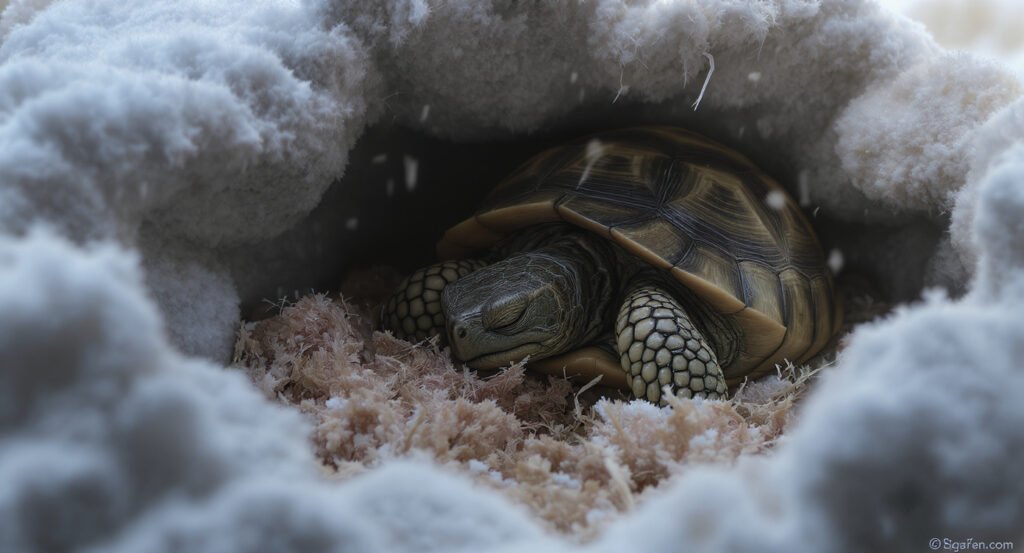
Tortoise hibernation, also known as brumation in reptiles, is a critical natural process that many tortoise species undergo during colder months. Whether you’re a new tortoise owner or an experienced keeper, understanding proper hibernation care is essential for your pet’s health and longevity. This comprehensive guide covers everything you need to know about safely hibernating your tortoise.
Understanding Tortoise Hibernation
Hibernation is a state of dormancy that allows tortoises to survive periods when food is scarce and temperatures drop. During hibernation, a tortoise’s metabolic rate slows dramatically, their heart rate decreases, and they enter a deep sleep that can last several months. Not all tortoise species hibernate, but many popular pet species including Mediterranean tortoises (Hermann’s, Greek, and Marginated tortoises) and Russian tortoises naturally brumate in the wild.
In captivity, hibernation offers several benefits. It helps regulate breeding cycles, supports natural biological rhythms, and can contribute to overall health and longevity. However, improper hibernation can be dangerous or even fatal, which is why careful preparation and monitoring are crucial.
Pre-Hibernation Health Assessment
Before allowing your tortoise to hibernate, a thorough health check is absolutely essential. Only healthy tortoises should hibernate, as the process puts significant stress on the body. Schedule a veterinary examination at least 4-6 weeks before your planned hibernation date.
Worried About Your Reptile's Health?
Upload a photo and get instant AI health analysis. Catch problems before they become expensive vet bills.
Get Free Health Check →Your vet should check for respiratory infections, parasites, shell problems, and overall body condition. Tortoises must have adequate fat reserves to survive months without eating. A tortoise that is underweight, sick, or injured should not hibernate. Young tortoises under certain age and weight thresholds may also need to skip hibernation or have shortened hibernation periods.
The Preparation Phase
Preparation for hibernation typically begins 2-4 weeks before the hibernation start date. The most critical aspect of this phase is fasting. Tortoises must completely empty their digestive systems before entering hibernation, as undigested food can rot in the gut and cause fatal infections.
Start by gradually reducing food portions while maintaining hydration. Two weeks before hibernation, stop feeding entirely but continue to provide daily warm water soaks. These baths, lasting 20-30 minutes in lukewarm water, encourage drinking and help eliminate waste. Continue daily soaking throughout the fasting period until the tortoise’s system is completely clear.
During this time, gradually reduce temperature and light exposure to mimic natural seasonal changes. This signals to the tortoise that winter is approaching and allows their metabolism to begin slowing naturally.
Never Miss Early Warning Signs
AI photo analysis catches subtle health issues humans miss 80% of the time. Early detection = healthier reptile + lower vet bills.
Start Free Trial →Hibernation Methods and Setup
There are several safe methods for hibernating tortoises in captivity. The most common and reliable method is refrigerator hibernation, which allows precise temperature control. The ideal hibernation temperature range is 39-45°F (4-7°C). Temperatures too warm prevent proper hibernation, while temperatures below freezing can be fatal.
For refrigerator hibernation, place your tortoise in a sturdy, ventilated box with substrate like shredded paper or hay. Put this box inside a larger box for insulation. The refrigerator should be checked and calibrated with an accurate thermometer before use. Never use a freezer.
Alternative methods include hibernating in an insulated box in a garage, shed, or basement, but these locations require careful monitoring as temperatures can fluctuate. Some keepers use specially designed hibernation boxes with controlled ventilation. Whichever method you choose, protection from predators, flooding, and temperature extremes is essential.
Monitoring During Hibernation
Even during hibernation, regular monitoring is necessary. Check your tortoise every 2-4 weeks. A properly hibernating tortoise should be unresponsive to gentle touch, with eyes closed and limbs withdrawn. Some slight movement is normal if disturbed, but the tortoise should quickly return to dormancy.
Join thousands of successful reptile owners
Try ReptileCoach Free →Weigh your tortoise monthly. Weight loss of 1% of body weight per month is normal. Loss exceeding this rate may indicate a problem. Also check for signs of illness including discharge from the nose or eyes, open mouth, or unusual odors.
Maintain consistent temperature and ensure adequate ventilation. The substrate should be slightly moist but never wet. Too much humidity can cause respiratory problems and fungal infections.
Waking Up: The Post-Hibernation Period
Bringing your tortoise out of hibernation should be as gradual as putting them into it. After the hibernation period (typically 8-12 weeks for healthy adult tortoises, shorter for younger animals), move the hibernation box to a warmer location and allow temperature to rise slowly over 24-48 hours.
Once awake, immediately offer a warm water bath to rehydrate. Don’t be alarmed if your tortoise doesn’t eat immediately—it can take several days for appetite to return. Gradually reintroduce food, starting with easily digestible items. Provide proper heat and UVB lighting to help kickstart metabolism.
"This app saved my bearded dragon's life. The AI caught early MBD in photos I thought looked completely normal. Worth every penny!"
— Sarah K., ReptileCoach User
Get Your Free 7-Day Trial →Monitor closely for several weeks post-hibernation. Watch for signs of respiratory infection, which can develop if the tortoise became too cold or damp during hibernation. If your tortoise remains lethargic, refuses food for more than a week, or shows signs of illness, consult a reptile veterinarian immediately.
Common Mistakes to Avoid
Many tortoise owners make critical errors that can endanger their pets. Never hibernate a sick tortoise. Never skip the pre-hibernation fasting period. Never use inconsistent temperatures or locations prone to temperature swings. Don’t hibernate tortoises that are too young, too small, or recently acquired. Avoid disturbing your tortoise excessively during hibernation, as repeated waking is stressful and depletes energy reserves.
Expert Support for Your Tortoise Care Journey
Proper tortoise hibernation requires knowledge, preparation, and confidence. If you’re looking for expert guidance, personalized advice, and a community of reptile keepers, consider using specialized resources designed for tortoise owners.
Visit ReptileCoach for comprehensive tortoise care resources, expert consultations, and tools to track your tortoise’s health throughout the year. Whether you’re preparing for your first hibernation season or looking to improve your husbandry practices, having reliable support makes all the difference in keeping your shelled companion healthy and thriving.
Worried About Your Reptile's Health?
Upload a photo and get instant AI health analysis. Catch problems before they become expensive vet bills.
Get Free Health Check →Conclusion
Tortoise hibernation is a natural and beneficial process when done correctly, but it requires careful planning, preparation, and monitoring. By following proper protocols—conducting pre-hibernation health checks, ensuring complete gut clearance, maintaining appropriate temperatures, and monitoring throughout—you can safely hibernate your tortoise and support their natural biological rhythms. When in doubt, always consult with a reptile veterinarian experienced in tortoise care. Your tortoise’s health and safety should always be the top priority.
Ready to Give Your Reptile the Best Care?
Stop guessing and start knowing. Get personalized AI-powered care guidance, photo health analysis, and 24/7 expert advice for YOUR specific reptile.
Get Personalized Care Guidance
AI-powered photo analysis and daily care tracking for YOUR reptile
Try Free for 7 Days →