Gecko morphs represent one of the most fascinating aspects of reptile keeping, offering enthusiasts an incredible variety of colors, patterns, and genetic combinations. Whether you’re a beginner exploring your first leopard gecko or an experienced breeder working with rare designer morphs, understanding gecko genetics and morph variations is essential for proper care and responsible ownership.
What Are Gecko Morphs?
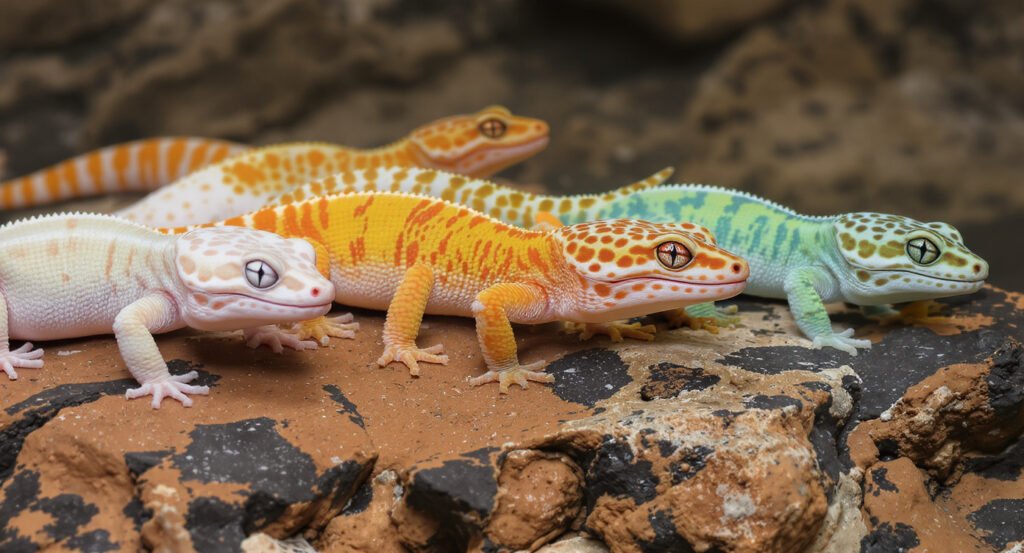
A gecko morph refers to a genetic variation that produces distinct visual characteristics different from the wild-type appearance. Through selective breeding, reptile breeders have developed hundreds of morphs across various gecko species, each with unique color patterns, eye colors, and physical traits. These genetic variations occur naturally through mutations, which breeders then cultivate and combine to create even more striking appearances.
The most commonly bred species for morphs include leopard geckos, crested geckos, and African fat-tailed geckos. Each species has its own set of morph genetics, and understanding these differences is crucial for anyone interested in gecko breeding or simply choosing the right pet.
Popular Leopard Gecko Morphs
Albino Varieties
Leopard gecko albinism comes in three distinct strains: Tremper, Bell, and Rainwater. Each produces geckos with reduced melanin, resulting in lighter colors and red or pink eyes. Tremper albinos tend toward orange and brown tones, Bell albinos display lighter pinks and lavenders, and Rainwater albinos show more muted, pastel coloration.
Worried About Your Reptile's Health?
Upload a photo and get instant AI health analysis. Catch problems before they become expensive vet bills.
Get Free Health Check →Blizzard and Diablo Blanco
Blizzard morphs are patternless geckos with solid coloration ranging from pure white to yellow or gray. When combined with albino genetics, they create the stunning Diablo Blanco morph—a completely white or cream-colored gecko with red eyes. These morphs require the same care as wild-type leopard geckos but their light coloration makes health monitoring easier.
Enigma Syndrome Awareness
The Enigma morph produces beautiful spotted and blotched patterns, but it’s linked to a neurological condition called Enigma Syndrome. Affected geckos may display circling, stargazing, poor coordination, and seizures. While not all Enigmas show severe symptoms, potential owners should be aware of this condition and prepared for specialized care needs.
Crested Gecko Morph Variations
Color Morphs
Crested geckos offer an impressive range of base colors including red, orange, yellow, cream, and various brown shades. Flame, harlequin, and tiger patterns create distinct visual effects, with flame morphs showing bold lateral markings and harlequins displaying cream or white coloration on the sides and limbs.
Dalmatian and Super Dalmatian
These morphs feature black or dark spots scattered across the body, resembling a dalmatian dog’s coat. Super Dalmatians have larger, more numerous spots that often create a striking contrast against lighter base colors. This morph can be combined with any color variation for truly unique appearances.
Never Miss Early Warning Signs
AI photo analysis catches subtle health issues humans miss 80% of the time. Early detection = healthier reptile + lower vet bills.
Start Free Trial →Lilly White and Whiteout
Lilly White crested geckos display reduced pattern and lighter overall coloration, often with a creamy white appearance. The Whiteout morph represents a leucistic mutation producing nearly pure white geckos. It’s important to note that certain Lilly White combinations can be lethal when bred together, making genetic knowledge essential for responsible breeding.
Caring for Different Gecko Morphs
Habitat Requirements
Regardless of morph, gecko species have specific habitat needs. Leopard geckos require a terrestrial setup with a temperature gradient from 88-92°F on the warm side to 75-80°F on the cool side. Provide three hides—warm, cool, and moist—along with a shallow water dish. Substrate choices include reptile carpet, tile, or paper towels; avoid loose substrates that risk impaction.
Crested geckos need vertical enclosures with branches, cork bark, and live or artificial plants for climbing. Maintain temperatures between 72-78°F with humidity levels of 60-80%. These arboreal geckos don’t require special lighting, but UVB can benefit their overall health.
Diet and Nutrition
Leopard gecko morphs all share the same dietary requirements: live insects including crickets, dubia roaches, and mealworms dusted with calcium and vitamin D3 supplements. Feed juveniles daily and adults every other day, offering appropriately sized prey no larger than the space between their eyes.
Join thousands of successful reptile owners
Try ReptileCoach Free →Crested geckos thrive on commercial crested gecko diet (CGD) offered 3-4 times weekly, supplemented with occasional insects. The powdered diet mixed with water provides complete nutrition, though many keepers also offer small amounts of fruit baby food as treats.
Health Considerations
Some morphs carry genetic conditions requiring special attention. Albino geckos may have increased light sensitivity and benefit from dimmer lighting conditions. Enigma leopard geckos with neurological symptoms need shallower water dishes to prevent drowning and may require hand-feeding during symptom flare-ups.
Monitor all geckos regularly for signs of metabolic bone disease (MBD), including tremors, bent limbs, or difficulty walking. Proper supplementation and, for crested geckos, optional UVB lighting help prevent this condition. Watch for retained shed, particularly around toes and tail tips, which can restrict blood flow if not removed.
Choosing the Right Morph for You
When selecting a gecko morph, consider more than just appearance. Research the specific genetics involved, potential health issues, and whether special care requirements fit your experience level. Morphs with known genetic conditions like Enigma Syndrome or lethal combinations require experienced keepers who understand the risks and can provide appropriate care.
"This app saved my bearded dragon's life. The AI caught early MBD in photos I thought looked completely normal. Worth every penny!"
— Sarah K., ReptileCoach User
Get Your Free 7-Day Trial →Budget also matters—while common morphs like normal or high-yellow leopard geckos cost $30-50, rare designer morphs can reach thousands of dollars. Remember that ongoing care costs remain the same regardless of morph price, including enclosure setup, heating, lighting, food, and veterinary care.
Purchase from reputable breeders who can provide genetic information, health guarantees, and care guidance. Avoid morphs from unknown sources or those showing signs of poor husbandry like thin tails, sunken eyes, or lethargy.
Get Personalized Guidance for Your Gecko
Understanding gecko morphs is just the beginning of successful reptile keeping. Each gecko has individual care needs based on its species, morph, age, and health status. Whether you’re troubleshooting health concerns, optimizing your habitat setup, or planning breeding projects, having expert guidance makes all the difference. Try ReptileCoach for personalized reptile care advice tailored to your specific gecko’s needs.
ReptileCoach provides instant access to species-specific care information, helping you make informed decisions about diet, habitat, health monitoring, and morph-specific considerations. From first-time owners to experienced breeders, having a reliable resource ensures your gecko thrives throughout its 10-20 year lifespan. Start your journey toward expert-level gecko care today and give your pet the best possible life.
Worried About Your Reptile's Health?
Upload a photo and get instant AI health analysis. Catch problems before they become expensive vet bills.
Get Free Health Check →Ready to Give Your Reptile the Best Care?
Stop guessing and start knowing. Get personalized AI-powered care guidance, photo health analysis, and 24/7 expert advice for YOUR specific reptile.
Get Personalized Care Guidance
AI-powered photo analysis and daily care tracking for YOUR reptile
Try Free for 7 Days →