Red-eared sliders are among the most popular pet turtles in the world, known for their distinctive red markings and engaging personalities. However, these semi-aquatic reptiles require a specialized setup to thrive in captivity. This comprehensive guide will walk you through everything you need to create the perfect habitat for your red-eared slider.
Tank Size and Housing Requirements
The foundation of a proper red-eared slider setup begins with adequate space. A common rule is to provide 10 gallons of water per inch of shell length, but adults typically need at least 75-125 gallons. Hatchlings can start in smaller tanks, but plan for upgrades as they grow rapidly during their first few years.
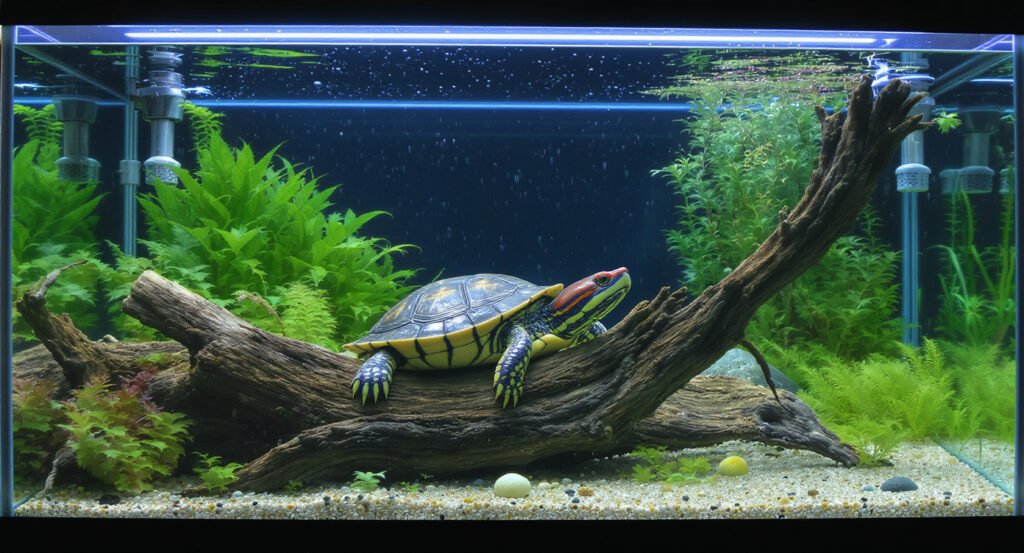
Your turtle’s enclosure should include both a swimming area and a dry basking platform. The water depth should be at least 1.5 times the length of your turtle’s shell to allow natural swimming behavior. The basking area must be completely dry and easily accessible, positioned so your turtle can climb out of the water without difficulty.
Water Quality and Filtration
Maintaining pristine water quality is critical for red-eared slider health. These turtles are messy eaters and produce significant waste, making a powerful filtration system essential.
Worried About Your Reptile's Health?
Upload a photo and get instant AI health analysis. Catch problems before they become expensive vet bills.
Get Free Health Check →Filtration Options
- Canister filters: Most effective for large turtle tanks, handling both mechanical and biological filtration
- Internal power filters: Suitable for smaller setups but require frequent cleaning
- Combination systems: Using multiple filters provides optimal water quality
Choose a filter rated for at least 2-3 times your tank’s water volume. Even with excellent filtration, perform 25-30% water changes weekly to remove accumulated nitrates and maintain water clarity. Water temperature should be maintained between 75-78°F, with the basking area reaching 88-92°F.
Lighting and Heating Setup
Red-eared sliders require two types of specialized lighting to stay healthy.
UVB Lighting
UVB exposure is non-negotiable for red-eared sliders. Without proper UVB radiation, turtles cannot synthesize vitamin D3, leading to metabolic bone disease and shell deformities. Use a quality UVB bulb (10-12% UVB output) positioned 10-12 inches above the basking area. Replace these bulbs every 6-12 months, as their UVB output diminishes even when they still produce visible light.
Heat Lamp
A separate basking lamp creates the temperature gradient your turtle needs. The basking spot should reach 88-92°F, while water temperature stays around 75-78°F. This temperature differential allows your turtle to thermoregulate naturally by moving between areas. Use a thermometer to monitor both water and basking temperatures accurately.
Never Miss Early Warning Signs
AI photo analysis catches subtle health issues humans miss 80% of the time. Early detection = healthier reptile + lower vet bills.
Start Free Trial →Diet and Nutrition
Red-eared sliders are omnivores with dietary needs that change as they mature. Juveniles are primarily carnivorous, while adults consume more plant matter.
Protein Sources
- Commercial turtle pellets (high-quality brands with balanced nutrition)
- Feeder fish (guppies, minnows) occasionally
- Earthworms and crickets
- Cooked chicken or turkey (lean, unseasoned)
Vegetables and Greens
- Dark leafy greens: collard greens, turnip greens, dandelion greens
- Aquatic plants: water lettuce, duckweed, anacharis
- Vegetables: shredded carrots, squash, bell peppers
Feed juveniles daily, offering protein-rich foods. Adults should be fed every other day with a diet comprising 50% pellets, 25% protein, and 25% vegetables. Remove uneaten food after 15-20 minutes to prevent water contamination.
Substrate and Decorations
Many experienced keepers prefer a bare-bottom tank for red-eared sliders, as substrate can complicate cleaning and pose ingestion risks. If you choose to use substrate, large river rocks (too big to swallow) are the safest option. Avoid gravel, as turtles may accidentally consume it while feeding.
Add hiding spots and enrichment items like smooth rocks, driftwood, and live or artificial plants. These decorations provide mental stimulation and create a more naturalistic environment. Ensure all items are thoroughly cleaned and have no sharp edges that could injure your turtle.
Join thousands of successful reptile owners
Try ReptileCoach Free →Health Monitoring and Common Issues
Regular observation helps catch health problems early. Watch for signs of illness including lethargy, loss of appetite, shell abnormalities, swollen eyes, or respiratory symptoms like wheezing and nasal discharge.
Common Health Concerns
- Respiratory infections: Often caused by inadequate temperatures or poor water quality
- Shell rot: Bacterial or fungal infections requiring prompt treatment
- Vitamin A deficiency: Results in swollen eyes and loss of appetite
- Metabolic bone disease: Caused by insufficient UVB or calcium
Schedule annual veterinary checkups with a reptile-specialized vet. Early intervention significantly improves treatment outcomes for most turtle health issues.
Long-Term Care Commitment
Red-eared sliders can live 20-40 years with proper care, making them a significant long-term commitment. As they grow, you’ll need to upgrade their habitat and adjust care routines. Adult females can reach 10-12 inches, while males typically stay slightly smaller at 8-10 inches.
Creating the perfect red-eared slider setup requires initial investment and ongoing maintenance, but the reward is a healthy, active turtle that will be part of your family for decades. From precise temperature control to balanced nutrition, every element of their care contributes to their overall wellbeing.
"This app saved my bearded dragon's life. The AI caught early MBD in photos I thought looked completely normal. Worth every penny!"
— Sarah K., ReptileCoach User
Get Your Free 7-Day Trial →Managing all these care requirements can feel overwhelming, especially for new turtle owners. That’s where technology can help. Try ReptileCoach for personalized reptile care advice tailored to your specific setup and turtle’s needs. The app provides feeding schedules, maintenance reminders, health tracking, and expert guidance to ensure your red-eared slider receives optimal care throughout its life. Whether you’re setting up your first turtle habitat or optimizing care for a longtime companion, ReptileCoach simplifies reptile keeping so you can focus on enjoying your pet.
Ready to Give Your Reptile the Best Care?
Stop guessing and start knowing. Get personalized AI-powered care guidance, photo health analysis, and 24/7 expert advice for YOUR specific reptile.
Get Personalized Care Guidance
AI-powered photo analysis and daily care tracking for YOUR reptile
Try Free for 7 Days →