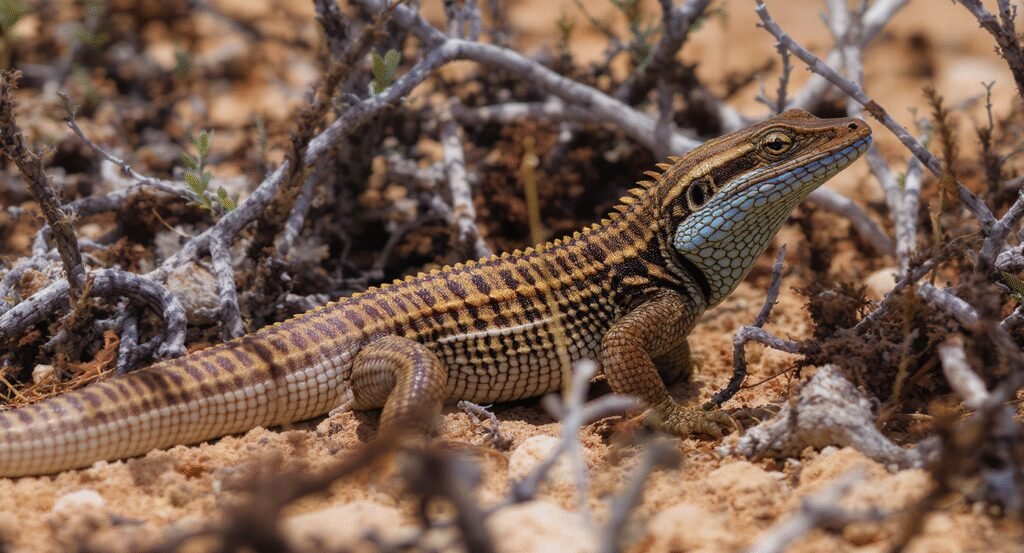
When your blue-tongued skink stops eating, it’s natural to feel concerned. These normally enthusiastic eaters can suddenly refuse food for various reasons, ranging from simple environmental issues to health problems requiring veterinary attention. Understanding why your blue tongue skink is not eating is the first step toward getting your reptile back to its healthy, robust self.
How Long Can a Blue-Tongued Skink Go Without Eating?
Before diving into causes, it’s important to understand the timeline. Adult blue-tongued skinks can safely go without food for 1-2 weeks, though this isn’t ideal. Juveniles have higher metabolic rates and shouldn’t go more than a few days without eating. If your blue tongue skink won’t eat for longer than these periods, veterinary consultation is recommended.
Blue-tongued skinks are opportunistic omnivores in the wild, so appetite loss always signals something worth investigating. Let’s explore the most common reasons your skink might be refusing food.
1. Incorrect Temperature and Lighting
Temperature is the most common culprit when blue-tongued skinks stop eating. As ectothermic reptiles, blue tongues rely entirely on external heat sources to regulate their metabolism and digest food.
Worried About Your Reptile's Health?
Upload a photo and get instant AI health analysis. Catch problems before they become expensive vet bills.
Get Free Health Check →Temperature Requirements
Your blue-tongued skink enclosure needs a proper thermal gradient:
- Basking spot: 95-100°F (35-38°C)
- Cool side: 75-80°F (24-27°C)
- Nighttime: 70-75°F (21-24°C)
Without adequate basking temperatures, your skink cannot properly digest food and will instinctively refuse meals. Measure temperatures with a reliable digital thermometer or infrared temperature gun at substrate level, not just ambient air temperature.
UVB Lighting Issues
Insufficient UVB lighting can also suppress appetite. Blue-tongued skinks require UVB exposure to synthesize vitamin D3, which is essential for calcium metabolism and overall health. Use a 10-12% UVB fluorescent tube or appropriate mercury vapor bulb, replacing it every 6-12 months as UVB output degrades before the visible light does.
2. Stress and Environmental Changes
Blue-tongued skinks are relatively hardy, but they’re still sensitive to environmental stressors. A stressed blue tongue skink not eating is exhibiting a natural survival response.
Never Miss Early Warning Signs
AI photo analysis catches subtle health issues humans miss 80% of the time. Early detection = healthier reptile + lower vet bills.
Start Free Trial →Common stress factors include:
- Recent relocation or habitat changes
- Inadequate hiding spots
- Excessive handling, especially for new skinks
- Loud noises or vibrations near the enclosure
- Inappropriate substrate or enclosure size
- Presence of other pets or perceived predators
New blue-tongued skinks often refuse food for the first week or two as they acclimate. Provide at least two hides (one on the warm side, one on the cool side), minimize handling, and maintain a consistent routine.
3. Seasonal Brumation Behavior
In late fall and winter, many blue-tongued skinks naturally reduce their food intake or stop eating entirely as they enter brumation—a reptilian form of hibernation. This is completely normal behavior, even for captive skinks kept at stable temperatures.
During brumation, blue tongues become lethargic, spend more time hiding, and may refuse all food for weeks or even months. If your skink shows these signs during winter months, appears otherwise healthy, and maintains stable weight, brumation is likely the cause.
Join thousands of successful reptile owners
Try ReptileCoach Free →Continue offering food weekly, but don’t be alarmed if your blue-tongued skink won’t eat until spring arrives.
4. Improper Diet or Food Preferences
Blue-tongued skinks are omnivores requiring a varied diet of proteins, vegetables, and fruits. Sometimes, appetite loss stems from dietary issues rather than health problems.
Common Dietary Mistakes
- Monotonous diet: Feeding the same foods repeatedly can lead to boredom and refusal
- Inappropriate prey size: Food items too large can intimidate skinks
- Incorrect vegetable ratio: Adults need approximately 50-60% vegetables, 40-50% protein
- Lack of variety: Rotate proteins (snails, insects, ground turkey) and vegetables (collard greens, squash, bell peppers)
Try offering different foods or changing presentation methods. Some blue tongues prefer food in shallow dishes, while others prefer hand-feeding or food placed directly on substrate.
5. Impaction and Digestive Issues
Impaction—a blockage in the digestive tract—is a serious condition that causes immediate appetite loss. Blue-tongued skinks can become impacted from ingesting substrate, feeding prey that’s too large, or from dehydration combined with inadequate temperatures.
"This app saved my bearded dragon's life. The AI caught early MBD in photos I thought looked completely normal. Worth every penny!"
— Sarah K., ReptileCoach User
Get Your Free 7-Day Trial →Signs of Impaction
- Absence of fecal production for 1-2 weeks
- Abdominal swelling or hardness
- Lethargy and weakness
- Straining or attempting to defecate
If you suspect impaction, increase humidity, provide warm soaks (85-90°F water for 15-20 minutes daily), and consult a reptile veterinarian immediately. Severe impaction requires professional intervention.
6. Illness, Parasites, or Infection
When a blue-tongued skink suddenly stops eating and shows additional symptoms, illness may be the cause. Respiratory infections, parasitic infestations, and metabolic bone disease all suppress appetite.
Warning Signs Requiring Veterinary Care
- Mucus around mouth or nose
- Wheezing, gasping, or open-mouth breathing
- Weight loss or visible spine/hip bones
- Lethargy even at proper temperatures
- Abnormal feces (runny, bloody, or unusually smelly)
- Swollen joints or limbs
Internal parasites are common in wild-caught or recently acquired blue tongues. A fecal examination by a reptile veterinarian can identify parasites, and appropriate medication typically resolves the issue quickly.
7. Shedding Cycle
Blue-tongued skinks often reduce or stop eating during shedding. In the days leading up to a shed, their eyes may appear cloudy, colors dull, and appetite diminish. This is temporary and completely normal.
Worried About Your Reptile's Health?
Upload a photo and get instant AI health analysis. Catch problems before they become expensive vet bills.
Get Free Health Check →Most skinks resume eating immediately after completing their shed. Ensure humidity is adequate (40-50%, increasing to 60-70% during shed) to facilitate proper shedding and prevent complications.
Getting Your Blue-Tongued Skink to Eat Again
Once you’ve identified the likely cause, implement appropriate solutions:
- Verify and correct all husbandry parameters (temperature, humidity, lighting)
- Reduce stress by minimizing handling and providing adequate cover
- Offer favorite foods or try novel items to stimulate appetite
- Ensure proper hydration with fresh water and occasional soaking
- Give time for acclimation if your skink is new or recovering from stress
For persistent appetite loss beyond two weeks (or a few days for juveniles), professional veterinary evaluation is essential.
Track Your Blue-Tongued Skink’s Health
Monitoring your reptile’s eating patterns, weight, and behavior helps identify problems early. Try ReptileCoach’s care tracking app to log feedings, track weight trends, and receive personalized care reminders for your blue-tongued skink. Early detection of appetite changes can prevent minor issues from becoming serious health problems.
Never Miss Early Warning Signs
AI photo analysis catches subtle health issues humans miss 80% of the time. Early detection = healthier reptile + lower vet bills.
Start Free Trial →Conclusion
A blue-tongued skink not eating can result from environmental issues, stress, seasonal changes, dietary problems, or health concerns. By systematically evaluating husbandry conditions and monitoring for additional symptoms, you can usually identify the cause and take appropriate action. Remember that proper temperature, lighting, and husbandry form the foundation of blue tongue skink health—addressing these basics resolves most appetite issues. When in doubt, or if appetite loss persists, always consult a qualified reptile veterinarian to ensure your skink receives the care it needs.
Ready to Give Your Reptile the Best Care?
Stop guessing and start knowing. Get personalized AI-powered care guidance, photo health analysis, and 24/7 expert advice for YOUR specific reptile.
Get Personalized Care Guidance
AI-powered photo analysis and daily care tracking for YOUR reptile
Try Free for 7 Days →