
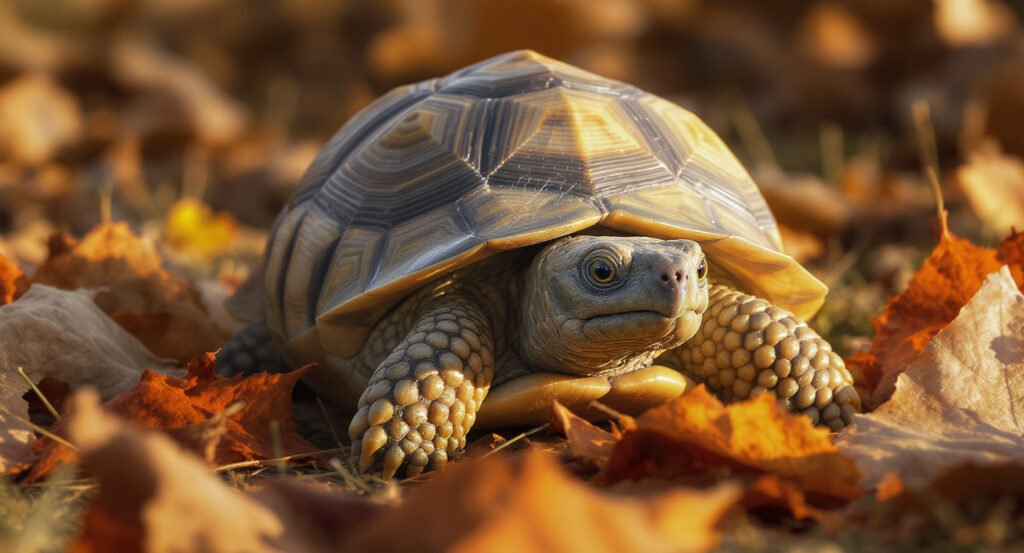
Understanding Tortoise Hibernation (Brumation)
Hibernation, scientifically known as brumation in reptiles, is a natural biological process that many tortoise species undergo during colder months. For pet owners, understanding how to safely manage this period is crucial for your tortoise’s health and longevity. This comprehensive guide covers everything you need to know about tortoise brumation, from preparation to safe awakening.
Which Tortoise Species Hibernate?
Not all tortoises require hibernation, and understanding your specific species’ needs is the first step in proper care.
Species That Require Hibernation
- Hermann’s Tortoise – One of the most common pet species that naturally brumates for 8-12 weeks
- Russian Tortoise (Horsfield’s) – Requires hibernation in their native climate
- Greek Tortoise (Spur-thighed) – Benefits from a shorter brumation period
- Marginated Tortoise – Similar hibernation needs to Hermann’s tortoises
- Desert Tortoise – Native to North America, naturally hibernates in burrows
Species That Don’t Hibernate
Tropical species like Red-footed tortoises, Sulcata tortoises, and Leopard tortoises come from warm climates and should not be hibernated. These species require consistent year-round temperatures.
Pre-Hibernation Health Checks and Preparation
Proper preparation is essential for safe hibernation. Begin preparations 4-6 weeks before your intended hibernation start date.
Worried About Your Reptile's Health?
Upload a photo and get instant AI health analysis. Catch problems before they become expensive vet bills.
Get Free Health Check →Veterinary Examination
Schedule a pre-hibernation vet check at least 2-3 weeks before brumation. Your veterinarian should examine your tortoise for:
- Respiratory infections (bubbling nose, wheezing, gaping mouth)
- Parasites through fecal examination
- Proper weight and body condition
- Eye and shell health
- Overall vitality and strength
Important: Never hibernate a sick, underweight, or newly acquired tortoise. Only healthy tortoises should undergo brumation.
Fasting Period
Tortoises must completely empty their digestive systems before hibernation to prevent fatal gut impaction. Follow this timeline:
- Weeks 3-4 before hibernation: Reduce food portions gradually
- Week 2: Stop feeding entirely
- Days 10-14: Provide daily warm baths (85-90°F) for 20-30 minutes to encourage defecation
- Final week: Continue warm baths until no feces are produced
Temperature Requirements for Safe Hibernation
Temperature control is the most critical factor in successful brumation.
Never Miss Early Warning Signs
AI photo analysis catches subtle health issues humans miss 80% of the time. Early detection = healthier reptile + lower vet bills.
Start Free Trial →Optimal Temperature Range
The ideal hibernation temperature is 40-45°F (4-7°C). This range slows metabolism sufficiently while preventing freezing or excessive energy expenditure.
Dangerous Temperature Zones
- Below 39°F (3.9°C): Risk of freezing and fatal cold injury
- Above 50°F (10°C): Metabolism remains too active, depleting fat reserves without proper digestion
- Fluctuating temperatures: Can cause repeated waking and stress
Monitoring Equipment
Invest in a quality digital thermometer with minimum/maximum recording. Check temperatures daily, preferably twice daily, throughout the hibernation period.
Hibernation Methods and Setup
Refrigerator Method
The most controlled method involves using a dedicated refrigerator set to 40-45°F:
- Place your tortoise in a ventilated hibernation box with shredded paper or sterilized soil
- Monitor the refrigerator temperature constantly
- Ensure adequate ventilation by opening the door briefly every few days
Shed or Garage Method
For consistent climates, an insulated box in an unheated shed or garage works well, but requires more vigilant monitoring of temperature fluctuations.
Join thousands of successful reptile owners
Try ReptileCoach Free →Duration of Hibernation
Hibernation length varies by species, age, and health status:
- Juvenile tortoises (under 3 years): 4-6 weeks maximum, if hibernated at all
- Adult tortoises: 8-12 weeks is typical
- Very old tortoises: May require shorter periods or skip hibernation
Most pet owners hibernate their tortoises from late November through February or early March, mimicking natural seasonal cycles.
Health Checks During Hibernation
Monthly weight checks are essential. Weigh your tortoise before hibernation and then monthly throughout the process.
Acceptable Weight Loss
Expect 0-1% body weight loss per month. Weight loss exceeding 1% monthly indicates a problem requiring immediate attention.
"This app saved my bearded dragon's life. The AI caught early MBD in photos I thought looked completely normal. Worth every penny!"
— Sarah K., ReptileCoach User
Get Your Free 7-Day Trial →Visual Inspection
Check your hibernating tortoise monthly for:
- Unusual discharge from eyes, nose, or mouth
- Movement or signs of waking
- Temperature of the hibernation environment
- Adequate but not excessive moisture in bedding
Risks and Warning Signs
Common Hibernation Risks
- Post-hibernation anorexia: Failure to eat after waking
- Respiratory infections: Often develop from improper temperatures or humidity
- Dehydration: From excessively dry environments
- Rodent attacks: Hibernating tortoises are vulnerable to predation
- Premature waking: Caused by temperature fluctuations
When to End Hibernation Early
Immediately wake your tortoise if you observe:
- Movement or repeated waking attempts
- Discharge from nose, eyes, or mouth
- Weight loss exceeding 1% per month
- Temperature falling below 39°F or rising above 50°F
- Any visible injuries or illness
Safe Awakening Process
Gradual warming is essential for safe awakening:
- Move your tortoise to a room-temperature environment (65-70°F) for 24 hours
- Then move to their normal enclosure with basking temperatures
- Offer warm baths daily for the first week
- Provide fresh water but don’t be alarmed if eating is delayed 1-2 weeks
- Schedule a post-hibernation vet check if your tortoise hasn’t eaten within 3 weeks
Staying on Track with Seasonal Care
Managing tortoise hibernation requires careful timing and consistent monitoring throughout the season. Many tortoise owners find it helpful to set seasonal reminders for pre-hibernation preparations, monthly weight checks, and spring awakening protocols. Tools like ReptileCoach can help you schedule and track these critical care milestones, ensuring you never miss an important health check or preparation step during this vulnerable period.
Worried About Your Reptile's Health?
Upload a photo and get instant AI health analysis. Catch problems before they become expensive vet bills.
Get Free Health Check →Final Thoughts on Tortoise Brumation
Hibernation is a natural and beneficial process for many tortoise species, supporting their long-term health and natural breeding cycles. However, it requires commitment, proper knowledge, and consistent monitoring. When in doubt, consult with a reptile veterinarian who specializes in chelonian care. Remember that choosing not to hibernate your tortoise is also an option in captivity, though it may affect breeding behavior and natural biological rhythms. Whatever you decide, prioritize your tortoise’s individual health needs above all else.
Ready to Give Your Reptile the Best Care?
Stop guessing and start knowing. Get personalized AI-powered care guidance, photo health analysis, and 24/7 expert advice for YOUR specific reptile.
Get Personalized Care Guidance
AI-powered photo analysis and daily care tracking for YOUR reptile
Try Free for 7 Days →