
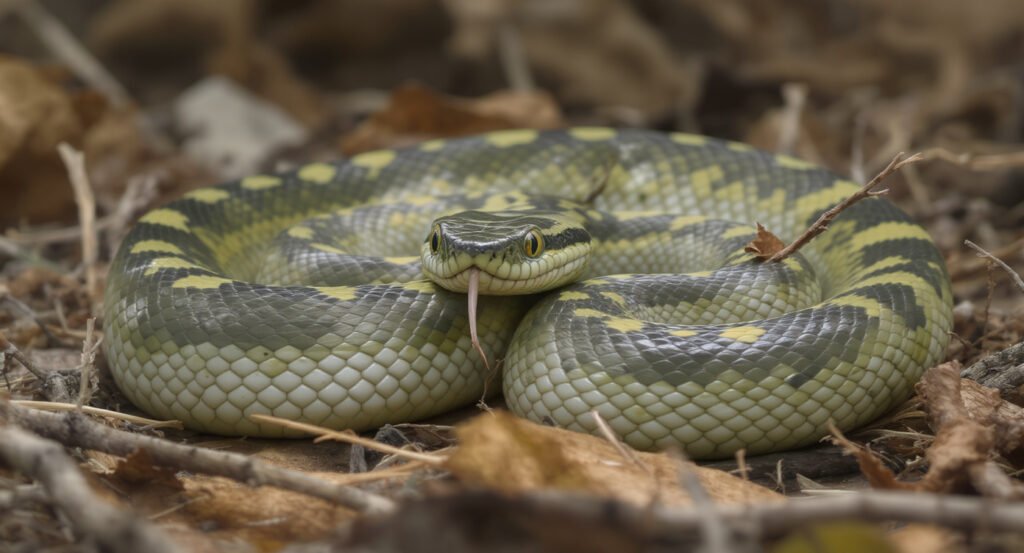
Garter snakes are among the most popular pet snakes for beginners and experienced reptile keepers alike. These docile, easy-to-care-for serpents make excellent companions and require minimal space compared to larger snake species. Whether you’re considering your first garter snake or looking to improve your current care routine, this comprehensive guide covers everything you need to know.
Why Choose a Garter Snake as a Pet?
Garter snakes (Thamnophis species) are native to North America and come in various beautiful patterns and colors. They’re known for their gentle temperament, manageable size (typically 18-26 inches for males, 24-36 inches for females), and relatively simple care requirements. Unlike many other snakes, garter snakes are diurnal, meaning they’re active during the day when you can enjoy watching them.
Setting Up the Perfect Garter Snake Enclosure
Tank Size and Type
For a single adult garter snake, a 20-gallon long terrarium is the minimum recommended size, though a 30-40 gallon enclosure is ideal. Garter snakes are active and enjoy exploring, so prioritize floor space over height. A secure screen lid is essential as these snakes are excellent escape artists.
Substrate Options
Choose a substrate that retains some moisture while allowing for easy cleaning. Popular options include aspen shavings, cypress mulch, coconut fiber, or reptile carpet. Avoid cedar and pine shavings as they contain oils harmful to reptiles. Spot clean daily and perform complete substrate changes every 4-6 weeks.
Worried About Your Reptile's Health?
Upload a photo and get instant AI health analysis. Catch problems before they become expensive vet bills.
Get Free Health Check →Temperature and Humidity
Garter snakes require a thermal gradient in their enclosure. Create a basking spot at 85-90°F using an under-tank heater or ceramic heat emitter, while maintaining the cool end at 70-75°F. Nighttime temperatures can drop to 65-70°F. Use thermometers at both ends to monitor accurately.
Maintain humidity levels between 40-60%. Garter snakes need moderate humidity, especially during shedding. Provide a humid hide filled with damp sphagnum moss to support healthy sheds. Mist the enclosure lightly 2-3 times per week or as needed.
Lighting Requirements
While garter snakes don’t require UVB lighting to survive, providing a low-level UVB bulb (5.0) for 10-12 hours daily can enhance their overall health, natural behavior, and coloration. Always provide a clear day/night cycle.
Essential Enclosure Furnishings
Garter snakes thrive when they feel secure. Include multiple hiding spots—at least one on the warm side and one on the cool side. Half logs, cork bark, and commercial reptile hides all work well. Add climbing branches or rocks for enrichment, as many garter snakes enjoy climbing.
Never Miss Early Warning Signs
AI photo analysis catches subtle health issues humans miss 80% of the time. Early detection = healthier reptile + lower vet bills.
Start Free Trial →A large, shallow water dish is crucial. Garter snakes often soak before shedding and may defecate in their water, so clean and refill the dish daily. The dish should be large enough for your snake to soak its entire body but shallow enough to prevent drowning risk.
Feeding Your Garter Snake
Diet Basics
In the wild, garter snakes eat a varied diet including earthworms, slugs, leeches, small fish, and amphibians. In captivity, the staple diet typically consists of nightcrawlers, earthworms, and appropriately-sized fish like silversides, guppies, or minnows. Some keepers also offer thawed pinky mice occasionally for variety.
Feeding Schedule
Juvenile garter snakes should be fed every 2-3 days, while adults can be fed every 4-7 days. Offer 2-3 earthworms or 1-2 small fish per feeding for adults, adjusting portion sizes based on your snake’s body condition. Never feed prey items larger than the widest part of your snake’s body.
Important Feeding Tips
Always use captive-bred feeder fish or commercially purchased earthworms to avoid parasites. Wild-caught prey can carry harmful parasites and thiaminase, an enzyme that depletes vitamin B1. If feeding fish regularly, supplement with vitamin B1 or alternate with earthworms. Use feeding tongs to offer food and prevent accidental bites. Remove any uneaten food within 2-3 hours to maintain enclosure cleanliness.
Join thousands of successful reptile owners
Try ReptileCoach Free →Health and Wellness
Common Health Issues
Garter snakes are generally hardy, but watch for signs of respiratory infections (wheezing, mucus around nostrils, mouth breathing), parasites (weight loss despite eating, regurgitation), and skin infections. Poor shedding often indicates inadequate humidity. If your snake retains eye caps or has patchy sheds, increase humidity and provide a humid hide.
Signs of a Healthy Garter Snake
A healthy garter snake is alert and responsive, has clear eyes (except when in shed), maintains a rounded body shape without visible ribs or spine, feeds regularly, and produces normal feces. Healthy snakes flick their tongues frequently to explore their environment and should feel muscular when handled.
Veterinary Care
Find a reptile-experienced veterinarian before you need one. Schedule an initial health check within the first few weeks of bringing your snake home, and arrange annual wellness exams. Fecal tests for parasites should be performed at least once yearly.
Handling and Behavior
Garter snakes are generally docile and tolerate handling well, though they may musk (release a foul-smelling substance) when stressed, especially as juveniles. Handle your snake 2-3 times per week for 10-15 minutes once it’s settled into its new home. Support the snake’s body fully and move slowly and confidently.
"This app saved my bearded dragon's life. The AI caught early MBD in photos I thought looked completely normal. Worth every penny!"
— Sarah K., ReptileCoach User
Get Your Free 7-Day Trial →Allow your snake to acclimate for 5-7 days after bringing it home before attempting to handle it. Never handle your snake for 48 hours after feeding to prevent regurgitation. Wash your hands before and after handling to prevent disease transmission.
Lifespan and Long-Term Commitment
With proper care, garter snakes can live 10-15 years in captivity, with some individuals reaching 20 years. Consider this commitment carefully before acquiring one. Research breeders carefully and avoid wild-caught specimens, which often carry parasites and stress poorly in captivity.
Take Your Garter Snake Care to the Next Level
Caring for a garter snake is rewarding and relatively straightforward when you understand their needs. By providing appropriate housing, diet, and environmental conditions, you’ll ensure your snake thrives for years to come.
Want to track your garter snake’s feeding schedule, weight, sheds, and health records all in one place? Try ReptileCoach’s comprehensive reptile care app to simplify your snake care routine and never miss an important care task again. Join thousands of reptile keepers who trust ReptileCoach to help them provide the best possible care for their scaly friends.
Worried About Your Reptile's Health?
Upload a photo and get instant AI health analysis. Catch problems before they become expensive vet bills.
Get Free Health Check →Ready to Give Your Reptile the Best Care?
Stop guessing and start knowing. Get personalized AI-powered care guidance, photo health analysis, and 24/7 expert advice for YOUR specific reptile.
Get Personalized Care Guidance
AI-powered photo analysis and daily care tracking for YOUR reptile
Try Free for 7 Days →