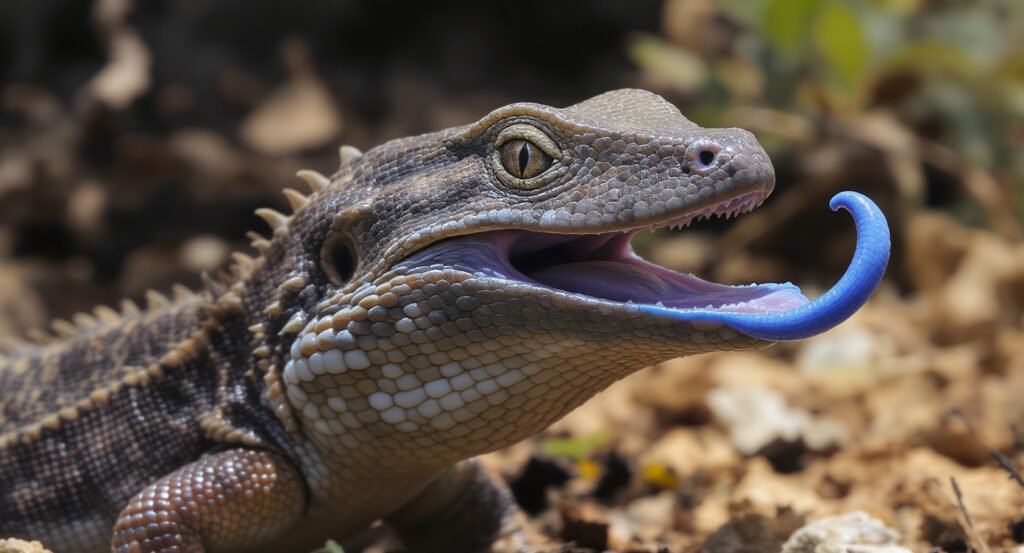
Few things stress out a reptile keeper more than watching their blue-tongued skink turn its nose up at food. If your BTS has stopped eating, you’re not alone — and in many cases, it’s completely fixable once you identify the root cause. This guide walks you through the most common reasons blue-tongued skinks refuse food and exactly what to do about each one.
Is It Actually a Problem?
Before you panic, it helps to know that blue-tongued skinks don’t eat every single day by nature. In the wild, they’re opportunistic omnivores that may go days between meals depending on season and food availability. That said, a skink that has refused food for more than 2–3 weeks — especially if it’s also losing visible weight — warrants closer attention.
Young skinks (under 12 months) should be eating reliably every 1–2 days. Adult skinks typically eat every 3–7 days. If your skink is outside these windows with no clear explanation, it’s time to troubleshoot.
Top Reasons Blue-Tongued Skinks Stop Eating
1. Incorrect Temperatures
This is the number-one culprit. Blue-tongued skinks are ectotherms — they rely entirely on external heat to digest food. If your enclosure temperatures are off, your skink’s metabolism slows down, and it will stop eating as a survival response.
Worried About Your Reptile's Health?
Upload a photo and get instant AI health analysis. Catch problems before they become expensive vet bills.
Get Free Health Check →Your basking spot should reach 95–105°F (35–40°C), with a cool side maintained at 75–85°F (24–29°C). Use a digital thermometer with a probe, not a stick-on strip, to get accurate readings. Nighttime temps shouldn’t drop below 65°F (18°C). Correct the temperatures first before trying anything else — you may find your skink starts eating within a day or two.
2. Shedding (Dysecdysis)
It’s completely normal for blue-tongued skinks to go off food before, during, and shortly after a shed. You’ll notice their eyes becoming cloudy or their color dulling a few days before the shed begins. Most skinks resume eating within a week of completing a successful shed.
If your skink is stuck in a partial shed, gently soak it in lukewarm water for 15–20 minutes to help loosen retained skin. Never pull off retained shed forcibly, as this can cause injury.
3. Brumation
Blue-tongued skinks from temperate regions — including Northern and Eastern BTS — go through a period of winter dormancy called brumation. This usually occurs between May and August for Southern Hemisphere animals, or November through February for those kept on a natural Northern Hemisphere light cycle.
Never Miss Early Warning Signs
AI photo analysis catches subtle health issues humans miss 80% of the time. Early detection = healthier reptile + lower vet bills.
Start Free Trial →A brumating skink will eat less, sleep more, and may refuse food entirely for weeks or even months. This is natural. Keep offering food every 1–2 weeks and ensure temperatures remain stable. If you’re not sure whether your skink is brumating or sick, watch for other signs of illness like labored breathing, discharge, or unusual posture.
4. Stress and Environmental Changes
Blue-tongued skinks are creatures of habit. A new enclosure, a change in substrate, a new home, or even a rearranged tank layout can trigger temporary food refusal. Handle new skinks minimally for the first 2–4 weeks to give them time to settle in. Avoid placing the enclosure in a high-traffic area or near other pets that could stress your BTS.
5. Illness or Parasites
If you’ve ruled out environmental and seasonal causes and your skink is still not eating — especially if it’s lost weight, has loose stools, appears lethargic, or shows respiratory symptoms — illness or internal parasites may be to blame. Common health issues in blue-tongued skinks include respiratory infections, mouth rot (stomatitis), coccidia, and pinworms.
A fecal exam and a full exam by a reptile-experienced veterinarian is essential if you suspect a health issue. Don’t wait too long: skinks can decline quickly when ill and not eating.
Join thousands of successful reptile owners
Try ReptileCoach Free →6. Food Preferences and Boredom
Sometimes a blue-tongued skink simply gets bored with the same food. BTS are naturally varied omnivores — in the wild they eat snails, insects, berries, flowers, and carrion. If you’ve been offering the same protein and vegetable mix for months, try rotating in new items: dubia roaches, hornworms, blueberries, butternut squash, or a different commercial skink food.
Some skinks are also scent-driven and may respond better to stinkier proteins like canned snails or wet cat food (used sparingly as a topper). Experiment to find what tempts your individual animal.
What to Do If Your Skink Still Won’t Eat
Work through this checklist methodically:
Check temperatures with a reliable thermometer. Verify the basking spot, cool side, and ambient air. Evaluate the shed cycle — is your skink in pre-shed? Review your calendar — is it the right time of year for brumation? Assess recent changes — new enclosure, new housemates, new diet? Weigh your skink weekly. Weight loss of more than 10% in a month is a red flag. See a vet if you’ve eliminated all other causes and the food refusal continues beyond 3–4 weeks.
"This app saved my bearded dragon's life. The AI caught early MBD in photos I thought looked completely normal. Worth every penny!"
— Sarah K., ReptileCoach User
Get Your Free 7-Day Trial →When to See a Vet Immediately
Some symptoms should send you to a reptile vet without delay: visible mucus around the mouth or nostrils, open-mouth breathing, unusual lumps or swelling, blood in the stool, paralysis or inability to move normally, or rapid, unexplained weight loss. These can indicate serious infections or neurological conditions that require prompt veterinary care.
Get Expert Help for Your Blue-Tongued Skink
Troubleshooting a skink that won’t eat can feel overwhelming — especially when you’re not sure whether what you’re seeing is normal or a sign of something serious. That’s exactly why we built the ReptileCoach app: to give you direct access to expert reptile coaches who can look at your specific setup, your animal’s history, and help you figure out what’s going on.
Whether your skink just started refusing food or has been off feed for weeks, a ReptileCoach expert can help you build a plan, adjust your husbandry, and know when it’s time to escalate to a vet. Don’t guess — get answers from someone who knows reptiles.
Final Thoughts
A blue-tongued skink not eating is one of the most common concerns among keepers — and most of the time, it has a straightforward explanation. Start with temperatures, consider the season, and observe your animal carefully. With the right adjustments and a little patience, most BTS will return to eating normally. When in doubt, reach out to an expert sooner rather than later. Your skink is counting on you.
Worried About Your Reptile's Health?
Upload a photo and get instant AI health analysis. Catch problems before they become expensive vet bills.
Get Free Health Check →Ready to Give Your Reptile the Best Care?
Stop guessing and start knowing. Get personalized AI-powered care guidance, photo health analysis, and 24/7 expert advice for YOUR specific reptile.
Get Personalized Care Guidance
AI-powered photo analysis and daily care tracking for YOUR reptile
Try Free for 7 Days →