
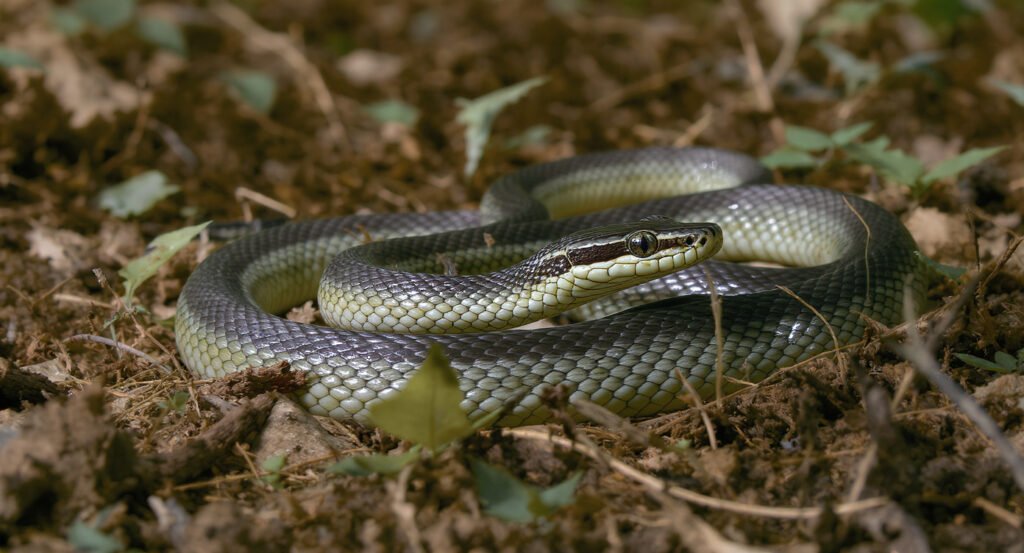
Garter snakes are among the most popular pet snakes for first-time reptile keepers, and for good reason. These slender, active snakes are hardy, relatively easy to care for, and come in beautiful color variations. Whether you’ve just brought home your first garter snake or you’re considering one, this comprehensive guide will walk you through everything you need to know to provide excellent care.
Why Garter Snakes Make Great Beginner Pets
Garter snakes (genus Thamnophis) are native to North America and adapt well to captivity. They’re small enough to handle comfortably—most species reach 18 to 26 inches in length, though some can grow up to 4 feet. Unlike many snake species, garter snakes are diurnal, meaning they’re active during the day when you’re most likely to observe and interact with them.
They’re also forgiving of minor husbandry mistakes that might stress more delicate species, making them ideal for learning the fundamentals of reptile care. Their feeding requirements are straightforward, and they generally have calm temperaments once they become accustomed to handling.
Setting Up the Perfect Garter Snake Enclosure
Enclosure Size and Type
A single adult garter snake needs a minimum of a 20-gallon long terrarium, though a 30-gallon enclosure is ideal and provides more room for enrichment. Garter snakes are active and enjoy exploring, so prioritize floor space over height. A secure screen lid is essential, as these snakes are notorious escape artists and can squeeze through surprisingly small gaps.
Worried About Your Reptile's Health?
Upload a photo and get instant AI health analysis. Catch problems before they become expensive vet bills.
Get Free Health Check →Substrate Options
Choose a substrate that holds humidity while being easy to clean. Aspen shavings, cypress mulch, and coconut fiber (coco coir) all work well. Avoid cedar or pine shavings, which contain oils that can be toxic to reptiles. Paper towels or reptile carpet are acceptable for quarantine or hospital setups but don’t look as natural.
Temperature and Lighting
Garter snakes are ectothermic and need a temperature gradient to regulate their body temperature. Create a basking spot at 85-90°F on one end of the enclosure, with the cool end staying around 70-75°F. Use an under-tank heater or a low-wattage heat lamp, and always monitor temperatures with reliable thermometers placed at both ends.
While garter snakes don’t require UVB lighting to survive, providing a low-level UVB bulb (5.0 strength) can promote natural behaviors and support vitamin D3 synthesis. A standard day-night cycle of 12 hours light and 12 hours darkness works well.
Humidity and Water
Maintain humidity levels between 40-60%. Garter snakes need access to fresh water at all times—provide a shallow, sturdy water dish large enough for your snake to soak in. They often defecate in their water, so check and clean the dish daily. Lightly mist the enclosure a few times per week, especially during shedding periods.
Never Miss Early Warning Signs
AI photo analysis catches subtle health issues humans miss 80% of the time. Early detection = healthier reptile + lower vet bills.
Start Free Trial →Hides and Enrichment
Offer at least two hides—one on the warm side and one on the cool side—so your snake feels secure while thermoregulating. Hides can be commercial reptile caves, cork bark, or even overturned containers with entrance holes cut out. Add branches, artificial plants, and other décor to create visual barriers and climbing opportunities.
Feeding Your Garter Snake
What to Feed
In the wild, garter snakes eat a varied diet of fish, amphibians, worms, and small rodents. In captivity, most garter snakes thrive on a diet of appropriately sized fish (such as silversides, tilapia pieces, or guppies) and earthworms. Some keepers also offer thawed pinkie mice occasionally for variety.
Avoid goldfish and rosy red minnows as staples—they contain thiaminase, an enzyme that breaks down thiamine (vitamin B1) and can lead to deficiencies over time. If you do feed fish, choose low-thiaminase species or dust the food with a reptile vitamin supplement containing thiamine.
Feeding Schedule
Juvenile garter snakes should be fed every 2-3 days, while adults can be fed every 4-5 days. Offer prey items that are roughly the same width as the thickest part of your snake’s body. Remove uneaten food after a few hours to prevent water contamination and stress.
Join thousands of successful reptile owners
Try ReptileCoach Free →Supplements
Dust prey with a reptile calcium and multivitamin supplement once or twice a week, especially if you’re not providing UVB lighting. This helps prevent metabolic bone disease and other nutritional deficiencies.
Handling and Temperament
Garter snakes can be skittish at first and may musk (release a foul-smelling secretion) or attempt to bite when threatened. With regular, gentle handling, most garter snakes calm down significantly. Start with short, 5-10 minute handling sessions a few times per week, gradually increasing as your snake becomes more comfortable.
Always support your snake’s body and avoid grabbing from above, which mimics a predator strike. Wash your hands before and after handling to prevent the transfer of bacteria or scents that might trigger a feeding response.
Health and Common Issues
Signs of a Healthy Garter Snake
A healthy garter snake has clear eyes (except during shedding), smooth scales, a well-rounded body, and an alert demeanor. They should flick their tongue regularly and move smoothly without tremors or difficulty.
"This app saved my bearded dragon's life. The AI caught early MBD in photos I thought looked completely normal. Worth every penny!"
— Sarah K., ReptileCoach User
Get Your Free 7-Day Trial →Common Health Problems
Respiratory infections are the most common issue, often caused by low temperatures or high humidity. Symptoms include wheezing, open-mouth breathing, and mucus around the nostrils. If you notice these signs, raise the basking temperature slightly and consult a reptile veterinarian.
Mites and parasites can also affect garter snakes, especially wild-caught individuals. Quarantine any new snake for at least 30 days and inspect regularly for tiny black or red dots moving on the skin. A fecal exam by a vet can check for internal parasites.
Shedding
Garter snakes shed their skin every 4-6 weeks, depending on age and growth rate. Before shedding, their eyes will turn cloudy blue, and their colors will appear dull. Increase humidity slightly during this period. A healthy shed should come off in one complete piece. Incomplete sheds may indicate low humidity or underlying health issues.
Track Your Garter Snake’s Care with Ease
Keeping detailed records of feeding schedules, shed cycles, weight, and health observations is essential for providing optimal care—and it’s easier than ever with the right tools. Check out the ReptileCoach app to track your garter snake’s care routines, set feeding reminders, and monitor growth patterns over time. It’s like having a personal care assistant for your reptile.
Worried About Your Reptile's Health?
Upload a photo and get instant AI health analysis. Catch problems before they become expensive vet bills.
Get Free Health Check →Final Thoughts
Garter snakes are rewarding pets that offer a perfect introduction to the world of reptile keeping. With proper housing, a balanced diet, and attentive care, your garter snake can live 10-15 years or more in captivity. Take the time to learn their individual personality and preferences, and you’ll enjoy a fascinating relationship with one of North America’s most charming serpents.
Remember, every snake is different. Observe your pet closely, adjust care as needed, and don’t hesitate to reach out to experienced keepers or a reptile veterinarian when you have questions. Welcome to the reptile community—your garter snake journey starts now.
Ready to Give Your Reptile the Best Care?
Stop guessing and start knowing. Get personalized AI-powered care guidance, photo health analysis, and 24/7 expert advice for YOUR specific reptile.
Get Personalized Care Guidance
AI-powered photo analysis and daily care tracking for YOUR reptile
Try Free for 7 Days →