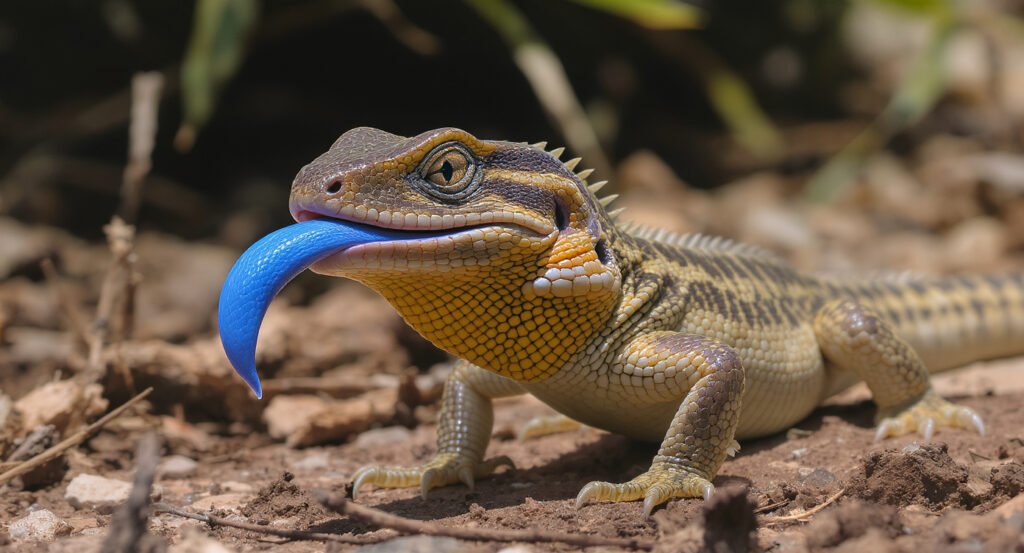
If your blue-tongued skink has stopped eating, you’re not alone — this is one of the most common concerns among skink owners. While it can be alarming, a skink refusing food doesn’t always signal a serious problem. Understanding the root cause is the first step to getting your reptile back on track.
Common Reasons Blue-Tongued Skinks Stop Eating
1. Brumation (Seasonal Slowdown)
Blue-tongued skinks are native to Australia and Indonesia, where seasonal temperature changes trigger a period of reduced activity called brumation. Even captive-bred skinks may experience this instinct, typically between autumn and winter. During brumation, skinks may refuse food for weeks or even months. This is completely normal and not a cause for alarm — as long as your skink remains hydrated and its weight is stable.
2. Incorrect Temperatures
Blue-tongued skinks require a warm basking spot of 95–105°F (35–40°C) and a cool side around 75–85°F (24–29°C). If your enclosure is too cool, your skink’s metabolism slows significantly, leading to appetite loss. Always use a digital thermometer with a probe to get accurate readings — avoid stick-on thermometers, which are notoriously inaccurate.
3. Improper Humidity
Most blue-tongued skink species need humidity levels between 40–60%. Northern blue-tongued skinks tolerate drier conditions, while Indonesian species like Merauke and Halmahera need 60–80% humidity. Incorrect humidity can cause stress, which often suppresses appetite.
Worried About Your Reptile's Health?
Upload a photo and get instant AI health analysis. Catch problems before they become expensive vet bills.
Get Free Health Check →4. Shedding (Ecdysis)
Skinks frequently go off food during a shed cycle. You’ll notice their eyes becoming dull and their skin looking faded or patchy. Once the shed is complete, appetite usually returns quickly. Avoid handling your skink during this period and ensure humidity is slightly elevated to support a clean shed.
5. Stress and New Environment
Newly acquired skinks often refuse food for the first 1–3 weeks as they adjust to their new home. Minimize handling, keep the enclosure in a quiet location, and avoid making sudden changes. Patience is key — most skinks settle in and begin eating once they feel secure.
6. Food Refusal and Boredom
Blue-tongued skinks can develop food preferences and may refuse the same meal repeatedly. Rotate protein sources — ground turkey, chicken, lean beef, snails, dubia roaches — and vary their vegetables. A monotonous diet is a surprisingly common reason for food refusal.
7. Illness or Parasites
If your skink hasn’t eaten for more than 4–6 weeks outside of brumation, or if you notice weight loss, lethargy, mucus in the mouth, or abnormal droppings, a vet visit is warranted. Internal parasites and respiratory infections are two conditions that frequently suppress appetite in blue-tongued skinks.
Never Miss Early Warning Signs
AI photo analysis catches subtle health issues humans miss 80% of the time. Early detection = healthier reptile + lower vet bills.
Start Free Trial →How to Encourage Your Skink to Eat
- Check and correct temperatures — use a temp gun or digital probe thermometer to verify your basking spot hits 100°F
- Try a different food — switch protein sources or offer live insects like dubia roaches for stimulation
- Scent the food — rub a piece of fruit or a cricket on your offering to make it more enticing
- Feed in a separate container — some skinks eat better when removed from their main enclosure
- Reduce handling — give your skink 5–7 days of rest before attempting to feed again
- Offer food at dusk — blue-tongued skinks are most active in the morning and early evening
Diet Guidelines for Blue-Tongued Skinks
A proper diet for a blue-tongued skink should be roughly 50–60% protein, 30–40% vegetables, and 10% fruit. Here’s a breakdown of what to offer:
Proteins
- Cooked or raw ground turkey or chicken (low-fat)
- Canned dog food (quality grain-free varieties)
- Dubia roaches, snails, earthworms
- Hard-boiled eggs (occasionally)
Vegetables
- Collard greens, mustard greens, dandelion greens
- Butternut squash, acorn squash
- Green beans, snap peas
- Avoid spinach, kale (high oxalates), and avocado (toxic)
Fruits (treat only)
- Blueberries, strawberries, papaya
- Limit to 10% of diet due to sugar content
When to See a Veterinarian
If your skink hasn’t eaten in more than 6 weeks (outside of brumation), has lost significant weight, shows signs of mouth rot (stomatitis), produces abnormal droppings, or appears lethargic or swollen, it’s time to consult a reptile-specialized veterinarian. A fecal exam to check for parasites is always a good first step.
Track and Manage Your Skink’s Health
Keeping a feeding log can help you identify patterns in your skink’s appetite — whether seasonal, stress-related, or linked to specific foods. The ReptileCoach app makes it easy to log meals, track weight, and monitor your skink’s health over time. Stay ahead of potential issues before they become serious.
With the right environment, a varied diet, and a little patience, most blue-tongued skinks return to their voracious selves. Trust the process, monitor closely, and don’t hesitate to reach out to a reptile vet when in doubt.
Join thousands of successful reptile owners
Try ReptileCoach Free →Ready to Give Your Reptile the Best Care?
Stop guessing and start knowing. Get personalized AI-powered care guidance, photo health analysis, and 24/7 expert advice for YOUR specific reptile.
Get Personalized Care Guidance
AI-powered photo analysis and daily care tracking for YOUR reptile
Try Free for 7 Days →