
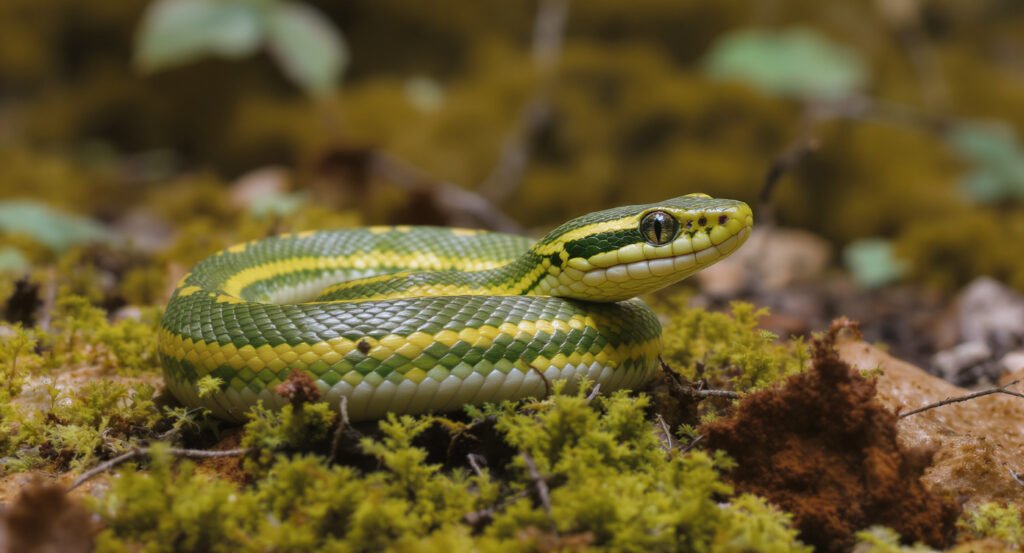
Garter snakes are one of the best reptiles for beginners. They’re small, relatively docile, widely available, and far less demanding than many other snake species. Whether you’ve just acquired your first garter snake or you’re researching before taking the plunge, this comprehensive care guide covers everything you need to know.
About Garter Snakes
Garter snakes (genus Thamnophis) are native to North America, found from Canada down to Central America. The most commonly kept species include the common garter snake (T. sirtalis), the ribbon snake (T. saurita), and the western terrestrial garter snake (T. elegans). They’re active, curious snakes that rarely exceed 3 feet in length, making them ideal for small living spaces.
Enclosure Setup
Size
A single adult garter snake does well in a 20-gallon long terrarium (30″ x 12″ x 12″). Juveniles can be housed in a 10-gallon tank. Bigger is always better — garter snakes are active and enjoy exploring. If you have a breeding pair or multiple snakes, scale up accordingly.
Screen Top
Always use a secure, locking screen lid. Garter snakes are escape artists. Even a small gap is enough for them to squeeze through. A screen top also provides adequate ventilation to prevent respiratory issues.
Worried About Your Reptile's Health?
Upload a photo and get instant AI health analysis. Catch problems before they become expensive vet bills.
Get Free Health Check →Substrate
The best substrates for garter snakes are:
- Coconut fiber (coco coir) — holds humidity well, easy to spot clean
- Cypress mulch — excellent moisture retention
- Topsoil and sand mix — great for naturalistic setups
- Avoid cedar and pine shavings, which contain toxic aromatic oils
Temperature and Lighting
Temperature Gradient
Garter snakes are ectotherms and require a thermal gradient to regulate their body temperature:
- Warm side / basking spot: 85–90°F (29–32°C)
- Cool side: 70–75°F (21–24°C)
- Nighttime: No lower than 65°F (18°C)
Use an under-tank heater (UTH) on one side and a low-wattage incandescent basking bulb. Always use a thermostat to regulate heat sources.
UVB Lighting
While garter snakes can survive without UVB, research increasingly shows that exposure to UVB lighting improves their health, immune function, and natural behavior. A low-output UVB bulb (5.0 or 6%) on a 12-hour on/off cycle is a great addition to any garter snake setup.
Never Miss Early Warning Signs
AI photo analysis catches subtle health issues humans miss 80% of the time. Early detection = healthier reptile + lower vet bills.
Start Free Trial →Humidity
Garter snakes thrive at 40–60% relative humidity. Lightly mist one side of the enclosure every other day to maintain moisture. A humid hide — a small enclosed box with damp sphagnum moss — helps your snake shed cleanly and retreat when needed.
Feeding Garter Snakes
What to Feed
In the wild, garter snakes eat amphibians, earthworms, fish, and small rodents. In captivity, the easiest and most nutritionally complete options are:
- Earthworms — excellent staple food, high in protein
- Frozen/thawed pinky mice — great for larger snakes and fast growth
- Feeder guppies or rosy red minnows — ideal for snakes that prefer fish
- Nightcrawlers — widely available at bait shops
Avoid feeding wild-caught amphibians or fish, as they may carry parasites. Goldfish should be avoided as a staple — they contain thiaminase, which depletes vitamin B1 and can cause neurological problems over time.
Feeding Schedule
- Juveniles: Every 5–7 days
- Adults: Every 7–10 days
Feed in a separate feeding container to prevent your snake from associating your hand with food. Use tongs to offer prey items.
Join thousands of successful reptile owners
Try ReptileCoach Free →Handling and Temperament
Most captive-bred garter snakes become quite tame with regular handling. Start with short 5–10 minute sessions a few times a week, and gradually increase duration as your snake becomes more comfortable. Wild-caught garters may musk or bite when first handled, but usually calm down with consistent, gentle interaction.
Give your snake 48 hours after feeding before handling to prevent regurgitation.
Health Considerations
Common Issues
- Retained shed: Caused by low humidity. Soak your snake in lukewarm water for 20–30 minutes and gently assist if needed.
- Respiratory infection: Symptoms include wheezing, excess mucus, and open-mouth breathing. Usually caused by temperatures that are too cool or humid conditions that are too high. Vet care is required.
- Mites: Tiny black or red dots on your snake or in the enclosure. Treat with reptile-safe mite spray and thoroughly clean the enclosure.
- Parasites: Wild-caught garters are often heavily parasitized. A fecal exam by a reptile vet is strongly recommended for any wild-caught individual.
Enrichment and Decor
Garter snakes are active and curious, so enrichment matters. Add:
- Cork bark hides (one on the warm side, one on the cool side)
- Artificial or real plants for cover
- A shallow water dish large enough for soaking
- Climbing branches (many garter snakes enjoy exploring vertically)
Track Your Garter Snake’s Health
Keeping records of your snake’s feeding history, shed dates, and weight can help you catch health issues early. The ReptileCoach app is a free tool designed for reptile owners to log care routines, set feeding reminders, and track their pet’s wellbeing over time.
"This app saved my bearded dragon's life. The AI caught early MBD in photos I thought looked completely normal. Worth every penny!"
— Sarah K., ReptileCoach User
Get Your Free 7-Day Trial →Garter snakes are rewarding, low-maintenance reptiles that thrive with proper husbandry. Get the setup right from day one, feed consistently, and handle regularly — you’ll have a confident, healthy companion for 10+ years.
Ready to Give Your Reptile the Best Care?
Stop guessing and start knowing. Get personalized AI-powered care guidance, photo health analysis, and 24/7 expert advice for YOUR specific reptile.
Get Personalized Care Guidance
AI-powered photo analysis and daily care tracking for YOUR reptile
Try Free for 7 Days →