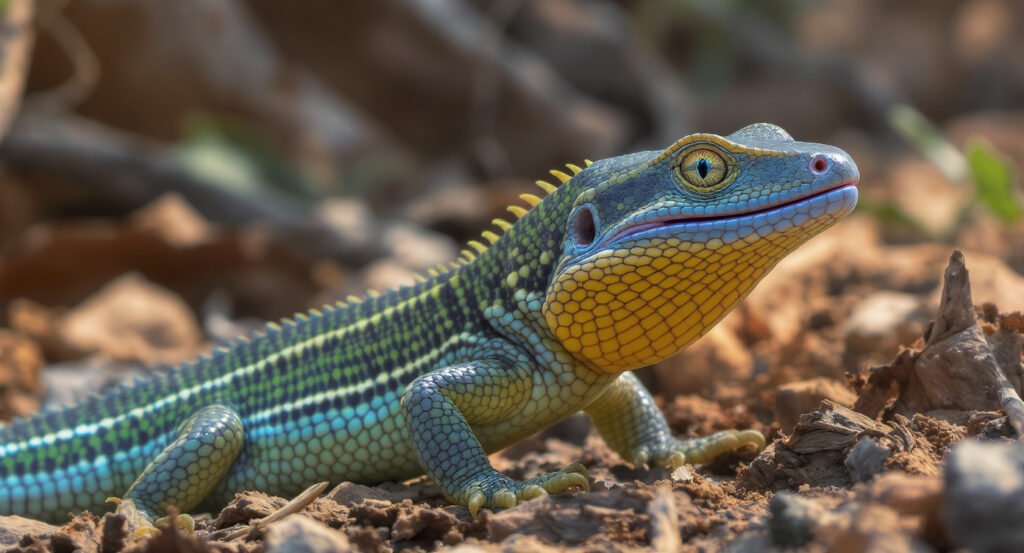
Blue-tongued skinks are typically enthusiastic eaters, so when your skink suddenly refuses food, it’s natural to worry. Loss of appetite in blue-tongued skinks can stem from various causes ranging from simple environmental issues to health concerns that require veterinary attention.
This comprehensive guide walks you through the most common reasons why blue-tongued skinks stop eating and provides actionable solutions to help your pet get back to its normal feeding routine.
Common Reasons Why Blue-Tongued Skinks Refuse Food
1. Incorrect Temperature and Lighting
Temperature is the most common culprit behind appetite loss in blue-tongued skinks. These reptiles are ectothermic and depend on external heat sources to regulate their metabolism and digestion.
- Basking spot too cool: The basking area should reach 95-100°F (35-38°C). If it’s cooler, your skink cannot properly digest food and will instinctively refuse to eat.
- Cool side inadequate: The cool end should stay between 75-82°F (24-28°C) to allow thermoregulation.
- Nighttime drops: Temperatures shouldn’t fall below 70°F (21°C) at night.
- Insufficient UVB: Blue-tongued skinks need UVB lighting for vitamin D3 synthesis. Replace UVB bulbs every 6-12 months even if they still emit visible light.
Solution: Use multiple thermometers to verify temperatures at different spots in the enclosure. Upgrade heating equipment if necessary and ensure your UVB bulb is appropriate for your enclosure size.
Worried About Your Reptile's Health?
Upload a photo and get instant AI health analysis. Catch problems before they become expensive vet bills.
Get Free Health Check →2. Stress from Environmental Changes
Blue-tongued skinks are sensitive to changes in their environment. Stress can suppress appetite for days or even weeks.
Stressors include:
- Recently moved to a new home or enclosure
- Changes in enclosure décor or substrate
- Loud noises or excessive handling
- Presence of other pets near the enclosure
- Lack of hiding spots causing constant exposure
Solution: Provide multiple hiding spots on both the warm and cool sides of the enclosure. Minimize handling for 1-2 weeks after any major change. Keep the enclosure in a quiet area away from high-traffic zones.
3. Brumation (Seasonal Dormancy)
Blue-tongued skinks naturally undergo brumation during cooler months, even in captivity. During this period, which can last 1-4 months, they become lethargic and may eat very little or not at all.
Never Miss Early Warning Signs
AI photo analysis catches subtle health issues humans miss 80% of the time. Early detection = healthier reptile + lower vet bills.
Start Free Trial →Signs your skink is brumating:
- Decreased activity and longer periods of hiding
- Loss of appetite despite proper temperatures
- Still alert when handled but less energetic
- Typically occurs in late fall through winter
Solution: If temperatures and husbandry are correct and your skink shows no signs of illness, brumation may be natural. Reduce feeding frequency, maintain water availability, and continue monitoring. Most skinks emerge and resume eating in spring.
4. Shedding Cycle
Many blue-tongued skinks reduce or stop eating 3-7 days before shedding. This is completely normal behavior.
Pre-shed indicators:
Join thousands of successful reptile owners
Try ReptileCoach Free →- Dull, grayish skin coloration
- Cloudy or bluish eyes
- Increased hiding behavior
- Rubbing against objects in the enclosure
Solution: Don’t worry if your skink refuses food during this time. Ensure humidity is adequate (40-60%) to facilitate proper shedding. Appetite typically returns within 24-48 hours after a successful shed.
5. Improper Diet or Food Boredom
Blue-tongued skinks are omnivores requiring variety. Feeding the same food repeatedly can lead to refusal.
- Offer a mix of protein sources: snails, insects, high-quality dog food, ground turkey
- Include vegetables: collard greens, squash, bell peppers, green beans
- Add occasional fruits: berries, banana, melon (10% of diet)
- Avoid high-oxalate greens like spinach
Solution: Rotate food items and present meals in different ways. Some skinks prefer food chopped finely, while others enjoy larger pieces. Try different feeding times or locations within the enclosure.
Health-Related Causes of Appetite Loss
Parasites
Internal parasites are common in reptiles and can cause appetite loss, weight loss, and abnormal feces. Even captive-bred skinks can develop parasite loads over time.
"This app saved my bearded dragon's life. The AI caught early MBD in photos I thought looked completely normal. Worth every penny!"
— Sarah K., ReptileCoach User
Get Your Free 7-Day Trial →Action required: Schedule a fecal exam with a reptile veterinarian annually or when symptoms appear. Treatment with appropriate antiparasitic medications typically resolves the issue quickly.
Respiratory Infections
Upper respiratory infections manifest as wheezing, mucus around the nostrils, open-mouth breathing, and lethargy along with appetite loss.
Action required: Respiratory infections require veterinary treatment with antibiotics. Ensure proper temperatures and humidity to prevent recurrence.
Metabolic Bone Disease (MBD)
Caused by insufficient calcium, vitamin D3, or UVB exposure, MBD can make eating painful and difficult.
Worried About Your Reptile's Health?
Upload a photo and get instant AI health analysis. Catch problems before they become expensive vet bills.
Get Free Health Check →Signs include:
- Softened or deformed jaw
- Tremors or twitching
- Difficulty moving or swollen limbs
- Lethargy
Action required: Veterinary care is essential. Treatment involves calcium supplementation, improved UVB exposure, and dietary adjustments.
Impaction
Ingestion of substrate, oversized prey, or insufficient hydration can cause digestive blockages.
Warning signs:
Never Miss Early Warning Signs
AI photo analysis catches subtle health issues humans miss 80% of the time. Early detection = healthier reptile + lower vet bills.
Start Free Trial →- Swollen abdomen
- Straining without defecation
- Lethargy and loss of appetite
- Visible bulge in the belly
Action required: Mild cases may resolve with warm soaks and gentle belly massages, but severe impaction requires veterinary intervention. Switch to safer substrates like reptile carpet or paper.
Step-by-Step Troubleshooting Process
When your blue-tongued skink stops eating, follow this systematic approach:
- Verify temperatures: Check basking spot and ambient temperatures with reliable thermometers
- Inspect the skink: Look for signs of shedding, illness, or injury
- Review recent changes: Consider any environmental modifications or stressors
- Check the calendar: Note the season and whether brumation is likely
- Evaluate diet: Ensure variety and appropriate food items
- Monitor duration: If appetite loss exceeds 2 weeks (outside brumation), consult a veterinarian
- Watch for other symptoms: Weight loss, abnormal feces, lethargy, or behavioral changes warrant immediate veterinary attention
When to See a Reptile Veterinarian
Seek professional veterinary care if your blue-tongued skink exhibits:
- Appetite loss lasting more than 2-3 weeks (outside brumation period)
- Noticeable weight loss or visible ribs/hip bones
- Abnormal feces (runny, bloody, or exceptionally foul-smelling)
- Respiratory symptoms (wheezing, mucus, gaping)
- Lethargy beyond normal brumation behavior
- Visible swelling, lumps, or deformities
- Neurological signs like head tilting or loss of coordination
Prevention Tips for Maintaining Healthy Appetite
Prevent feeding issues before they start:
Join thousands of successful reptile owners
Try ReptileCoach Free →- Maintain consistent temperatures year-round
- Replace UVB bulbs on schedule
- Provide varied, nutritious diet with proper supplementation
- Minimize stress through appropriate hiding spots and limited handling
- Keep enclosure clean to prevent bacterial growth
- Schedule annual veterinary checkups with fecal exams
- Monitor weight monthly to detect gradual changes
- Maintain detailed feeding and health records
Track Your Blue-Tongued Skink’s Health with ReptileCoach
Managing your blue-tongued skink’s care requires attention to multiple factors—temperature logs, feeding schedules, weight tracking, and health observations. The ReptileCoach app helps you monitor all these variables in one place, making it easier to identify patterns and catch potential problems early.
With features designed specifically for reptile keepers, you can log feedings, track weight changes, set reminders for UVB bulb replacements, and maintain detailed health records. When you do need to visit a veterinarian, you’ll have comprehensive documentation ready to share.
Start using ReptileCoach today and take the guesswork out of blue-tongued skink care.
Conclusion
Loss of appetite in blue-tongued skinks is usually manageable once you identify the underlying cause. Most cases stem from easily correctable husbandry issues like incorrect temperatures or environmental stress. Natural processes like brumation and shedding also temporarily suppress appetite without indicating health problems.
"This app saved my bearded dragon's life. The AI caught early MBD in photos I thought looked completely normal. Worth every penny!"
— Sarah K., ReptileCoach User
Get Your Free 7-Day Trial →However, prolonged appetite loss accompanied by other symptoms requires veterinary attention. By maintaining proper husbandry, providing varied nutrition, and monitoring your skink’s behavior, you can ensure your pet stays healthy and maintains a robust appetite year-round.
Ready to Give Your Reptile the Best Care?
Stop guessing and start knowing. Get personalized AI-powered care guidance, photo health analysis, and 24/7 expert advice for YOUR specific reptile.
Get Personalized Care Guidance
AI-powered photo analysis and daily care tracking for YOUR reptile
Try Free for 7 Days →