
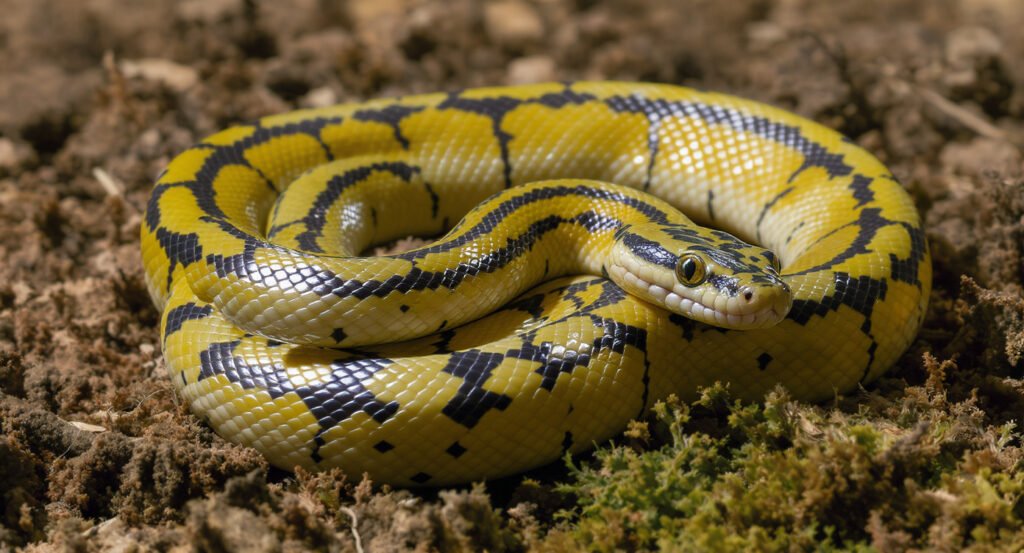
Garter snakes are one of the best pet snakes for beginners. These slender, active serpents are native to North America and are known for their docile temperament, manageable size, and interesting behaviors. Unlike many pet snakes that feed on rodents, garters prefer fish and amphibians, making them unique in the reptile keeping world.
Why Garter Snakes Make Great Pets
- Beginner-friendly: Hardy and forgiving of minor husbandry mistakes
- Small size: Most species stay under 3 feet long
- Active and visible: Unlike ball pythons, garters are out and about during the day
- Affordable: Lower initial cost than many other snakes
- Social: Can be kept in groups (with caution)
- Varied diet: Don’t require live rodents if you prefer not to handle them
Choosing the Right Garter Snake Species
Common Garter Snake (Thamnophis sirtalis)
The most popular choice for beginners. They’re adaptable, readily available, and come in various color morphs including red-sided, blue-striped, and albino varieties. Adults reach 18-26 inches.
Eastern Garter Snake (Thamnophis sirtalis sirtalis)
Very similar to common garters with distinctive yellow stripes. Excellent temperament and hardy nature.
Checkered Garter Snake (Thamnophis marcianus)
Slightly larger (20-28 inches) with beautiful checkered patterns. More heat-tolerant than other species.
Worried About Your Reptile's Health?
Upload a photo and get instant AI health analysis. Catch problems before they become expensive vet bills.
Get Free Health Check →Ribbon Snake (Thamnophis sauritus)
Slimmer and more delicate than true garters. Require more humidity and are slightly more challenging for beginners.
Enclosure Setup
Tank Size
- Hatchlings: 10-gallon tank (20″×10″)
- Juveniles: 20-gallon long (30″×12″)
- Adults: 40-gallon breeder (36″×18″) or larger
Garters are active and appreciate horizontal space more than vertical height. Screen lids are essential—these snakes are escape artists!
Substrate Options
- Cypress mulch: Holds humidity well, naturalistic
- Aspen shavings: Affordable and easy to spot-clean
- Paper towels: Best for quarantine or sick snakes
- Reptile carpet: Reusable but harbors bacteria if not cleaned regularly
Avoid cedar and pine shavings—the oils are toxic to reptiles.
Temperature Requirements
- Basking spot: 85-90°F (29-32°C)
- Cool side: 70-75°F (21-24°C)
- Nighttime: 65-70°F (18-21°C)
Use an under-tank heater or ceramic heat emitter with a thermostat. Never rely on heat lamps alone, as garters need belly heat for digestion.
Never Miss Early Warning Signs
AI photo analysis catches subtle health issues humans miss 80% of the time. Early detection = healthier reptile + lower vet bills.
Start Free Trial →Humidity
Maintain 40-60% humidity. Mist the enclosure lightly 2-3 times per week and provide a humid hide (a hide box with damp sphagnum moss) to support healthy shedding.
Hides and Enrichment
Provide at least two hides—one on the warm side and one on the cool side. Add branches, fake plants, and cork bark for climbing and exploration. A shallow water dish large enough for soaking is essential.
Feeding Your Garter Snake
Diet Options
Garter snakes are opportunistic feeders in the wild. In captivity, offer:
- Fish: Silversides, tilapia, salmon pieces (avoid goldfish—poor nutrition)
- Earthworms: Nightcrawlers and red wigglers
- Pinky mice: Occasional treat for variety
- Feeder frogs: If available (risky due to parasites)
Feeding Schedule
- Hatchlings: Every 3-4 days (small pieces of fish or worms)
- Juveniles: Every 4-5 days
- Adults: Every 5-7 days
Important Feeding Notes
Feed pre-killed or thawed food to prevent injury. Some garters prefer fish scent, so rubbing a pinky mouse with fish can increase acceptance. Always provide fresh water—garters often defecate in their water bowls after eating.
Join thousands of successful reptile owners
Try ReptileCoach Free →Handling and Temperament
Garter snakes are generally docile but can be defensive when first acquired. They may:
- Musk (release a foul-smelling secretion)
- Strike defensively (harmless—they’re not venomous to humans)
- Thrash and attempt to escape
With regular, gentle handling (2-3 times per week for 10-15 minutes), most garters calm down within weeks. Support their body fully and avoid grabbing them—let them move through your hands.
Common Health Issues
Parasites
Wild-caught garters often carry internal parasites. Always quarantine new snakes and get a fecal test from a reptile vet.
Respiratory Infections
Symptoms: wheezing, mucus around nostrils, open-mouth breathing. Caused by incorrect temperatures or humidity.
"This app saved my bearded dragon's life. The AI caught early MBD in photos I thought looked completely normal. Worth every penny!"
— Sarah K., ReptileCoach User
Get Your Free 7-Day Trial →Mouth Rot (Infectious Stomatitis)
Red, swollen gums or pus around the mouth. Requires veterinary treatment with antibiotics.
Shedding Problems
Retained shed (especially around eyes) indicates low humidity. Provide a humid hide and offer soaking opportunities.
Lifespan and Commitment
Garter snakes live 8-10 years in captivity with proper care, though some reach 15+ years. They’re a long-term commitment but far less demanding than many reptiles.
Legal Considerations
Most states allow garter snakes as pets, but some restrict native species collection. Always buy captive-bred snakes from reputable breeders rather than wild-caught specimens—they’re healthier, parasite-free, and better acclimated to captivity.
Worried About Your Reptile's Health?
Upload a photo and get instant AI health analysis. Catch problems before they become expensive vet bills.
Get Free Health Check →Manage your garter snake’s feeding schedule, shed tracking, and health records with our ReptileCoach pet care app. Set reminders, log meals, and monitor growth trends effortlessly.
Final Thoughts
Garter snakes are underrated gems in the reptile world. They offer the excitement of snake keeping without the challenges of large constrictors or the space requirements of corn snakes. Their active nature, ease of care, and unique feeding preferences make them perfect for first-time snake owners who want something a little different.
Start with a captive-bred common or eastern garter, maintain proper temperatures and humidity, and feed a varied diet of fish and worms. With consistent care and patience, your garter snake will thrive and provide years of fascinating observation and interaction.
Ready to Give Your Reptile the Best Care?
Stop guessing and start knowing. Get personalized AI-powered care guidance, photo health analysis, and 24/7 expert advice for YOUR specific reptile.
Get Personalized Care Guidance
AI-powered photo analysis and daily care tracking for YOUR reptile
Try Free for 7 Days →