
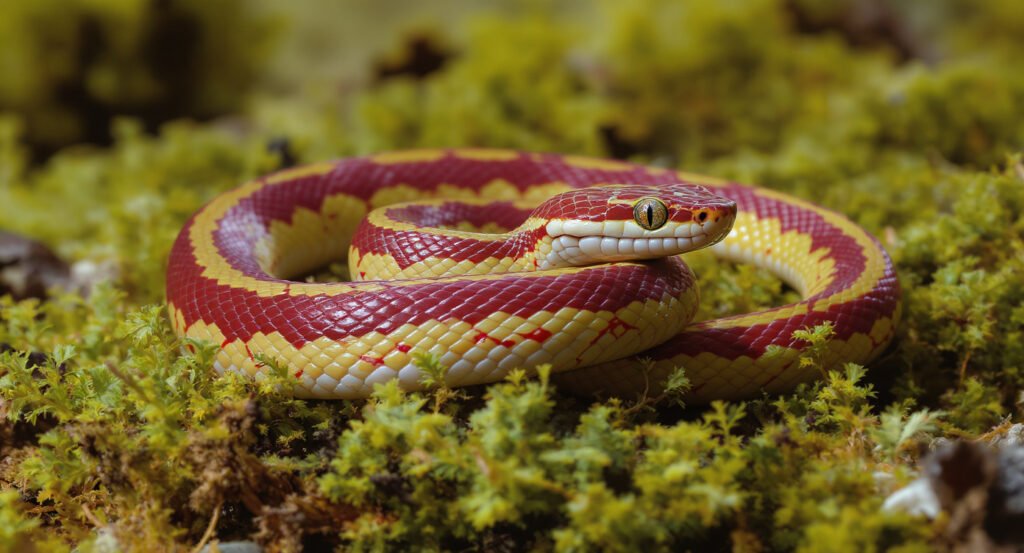
Garter snakes are among the most popular pet snakes for beginners, and for good reason. These small, docile reptiles are hardy, easy to care for, and fascinating to observe. Whether you’re new to reptile keeping or looking for a low-maintenance snake species, garter snakes make an excellent choice. This comprehensive garter snake care guide will walk you through everything you need to know about keeping these beautiful creatures healthy and thriving.
Why Garter Snakes Make Great Beginner Pets
Garter snakes (Thamnophis species) are native to North America and come in a variety of colors and patterns. They typically grow to 18-26 inches in length, making them manageable for keepers of all experience levels. Unlike larger constrictor species, garter snakes are active during the day, giving you plenty of opportunities to watch their natural behaviors. They’re also relatively inexpensive to purchase and maintain, with modest space requirements compared to other reptiles.
Most garter snakes adapt well to captivity and become comfortable with regular handling. They’re generally non-aggressive, though they may musk or release a foul-smelling substance when stressed—a behavior that typically diminishes as they become accustomed to their keeper.
Housing Requirements for Garter Snakes
Setting up the right enclosure is crucial for garter snake care. A proper habitat ensures your snake feels secure and has room to explore, thermoregulate, and exhibit natural behaviors.
Worried About Your Reptile's Health?
Upload a photo and get instant AI health analysis. Catch problems before they become expensive vet bills.
Get Free Health Check →Terrarium Size
For a single adult garter snake, a 20-gallon long terrarium (30″ x 12″ x 12″) is the minimum recommended size. Larger enclosures are always better, and a 40-gallon breeder tank provides even more enrichment opportunities. Juvenile garter snakes can start in smaller enclosures like a 10-gallon tank, but plan to upgrade as they grow. The enclosure should have a secure, escape-proof lid, as garter snakes are notorious for finding and exploiting gaps.
Substrate Options
Choose a substrate that retains some moisture while being easy to clean. Popular options include:
- Cypress mulch: Holds humidity well and looks natural
- Aspen shavings: Affordable and absorbent, though less effective at maintaining humidity
- Coconut fiber (coco coir): Excellent moisture retention and burrowing medium
- Paper towels or newspaper: Easiest to clean, ideal for quarantine or young snakes
Avoid cedar and pine shavings, as their aromatic oils can cause respiratory problems in reptiles.
Hides and Enrichment
Provide at least two hiding spots—one on the warm side and one on the cool side of the enclosure. Commercial reptile hides, cork bark, or even overturned flower pots work well. Adding branches, artificial plants, and climbing opportunities enriches your garter snake’s environment and encourages natural behaviors. A water dish large enough for soaking is essential, as garter snakes often bathe before shedding.
Never Miss Early Warning Signs
AI photo analysis catches subtle health issues humans miss 80% of the time. Early detection = healthier reptile + lower vet bills.
Start Free Trial →Temperature and Humidity Requirements
Proper temperature gradients are critical for garter snake health. These ectothermic animals rely on external heat sources to regulate their body temperature.
Temperature Setup
Create a thermal gradient with a basking spot at 85-90°F on one end and a cooler area at 70-75°F on the other. Use an under-tank heating pad or ceramic heat emitter controlled by a thermostat to maintain consistent temperatures. Never rely on heat rocks, as they can cause burns. Place a digital thermometer at both ends of the enclosure to monitor temperatures accurately. At night, temperatures can drop to 65-70°F, mimicking natural conditions.
Humidity Levels
Garter snakes thrive at 40-60% humidity. Monitor levels with a digital hygrometer and adjust by misting the enclosure, using a more moisture-retentive substrate, or adjusting ventilation. During shedding periods, you may need to increase humidity slightly to prevent stuck shed, which can lead to health complications.
Diet and Feeding Your Garter Snake
One unique aspect of garter snake care is their diverse diet. Unlike many pet snakes that eat only rodents, garter snakes are opportunistic feeders with varied nutritional needs.
Join thousands of successful reptile owners
Try ReptileCoach Free →What to Feed Garter Snakes
A balanced garter snake diet includes:
- Earthworms: A staple food that’s readily accepted and nutritionally complete
- Fish: Offer thiaminase-free varieties like salmon, trout, or tilapia (avoid goldfish and rosy red minnows)
- Pinky mice: Newborn mice provide excellent nutrition and can be offered occasionally
- Leeches and slugs: Some garter snakes enjoy these in captivity
For young garter snakes, offer food every 3-4 days. Adults can be fed every 5-7 days. Vary the diet to ensure complete nutrition, and consider dusting food with reptile vitamin and calcium supplements once or twice monthly.
Feeding Tips
Feed your garter snake in its enclosure to minimize stress. Use tongs to offer food items, and never handle your snake for 24-48 hours after feeding to prevent regurgitation. Fresh, dechlorinated water should always be available.
Handling and Temperament
Garter snakes generally have calm temperaments, but individual personalities vary. New snakes may be defensive initially, striking or musking when picked up. With regular, gentle handling sessions of 5-10 minutes several times per week, most garter snakes become docile and comfortable with human interaction.
"This app saved my bearded dragon's life. The AI caught early MBD in photos I thought looked completely normal. Worth every penny!"
— Sarah K., ReptileCoach User
Get Your Free 7-Day Trial →When handling your garter snake, support its body fully and avoid sudden movements. Wash your hands before and after handling to prevent disease transmission. If your snake seems stressed—indicated by rapid tongue flicking, attempting to flee, or musking—return it to its enclosure and try again another day. Never handle a garter snake that’s in shed, as their vision is impaired and they’re more sensitive during this time.
Common Health Issues in Garter Snakes
With proper care, garter snakes are hardy reptiles, but they can develop health problems if husbandry conditions aren’t met.
Respiratory Infections
Symptoms include wheezing, mucus around the nostrils, and open-mouth breathing. These infections usually result from temperatures that are too low or excessive humidity. If you notice these signs, adjust environmental conditions and consult a reptile veterinarian.
Parasites
Wild-caught garter snakes often carry internal parasites. Even captive-bred snakes can develop parasite issues. Have a fecal exam performed by a vet if you notice unusual droppings, weight loss, or lethargy. Mites are another common external parasite—look for tiny moving dots on your snake or around the enclosure.
Worried About Your Reptile's Health?
Upload a photo and get instant AI health analysis. Catch problems before they become expensive vet bills.
Get Free Health Check →Incomplete Shedding
Stuck shed, particularly around the eyes (eye caps) and tail tip, can cause serious problems. Increase humidity and provide a humid hide during shedding. If shed remains after 24 hours post-shed, a warm soak can help loosen it. Never forcibly pull stuck shed.
Lifespan and Long-Term Care
With proper care, captive garter snakes typically live 10-15 years. Establishing a routine of regular health checks, consistent feeding, and appropriate environmental conditions is key to their longevity. Annual veterinary check-ups with a reptile-experienced vet can help catch health issues early.
Track Your Garter Snake’s Care with ReptileCoach
Staying on top of feeding schedules, shedding cycles, and health observations becomes much easier with the right tools. The ReptileCoach app lets you log every feeding, track growth and weight, set reminders for UVB bulb replacements, and keep a complete health history for your garter snake. Start giving your snake the organized, attentive care it deserves today.
Ready to Give Your Reptile the Best Care?
Stop guessing and start knowing. Get personalized AI-powered care guidance, photo health analysis, and 24/7 expert advice for YOUR specific reptile.
Get Personalized Care Guidance
AI-powered photo analysis and daily care tracking for YOUR reptile
Try Free for 7 Days →