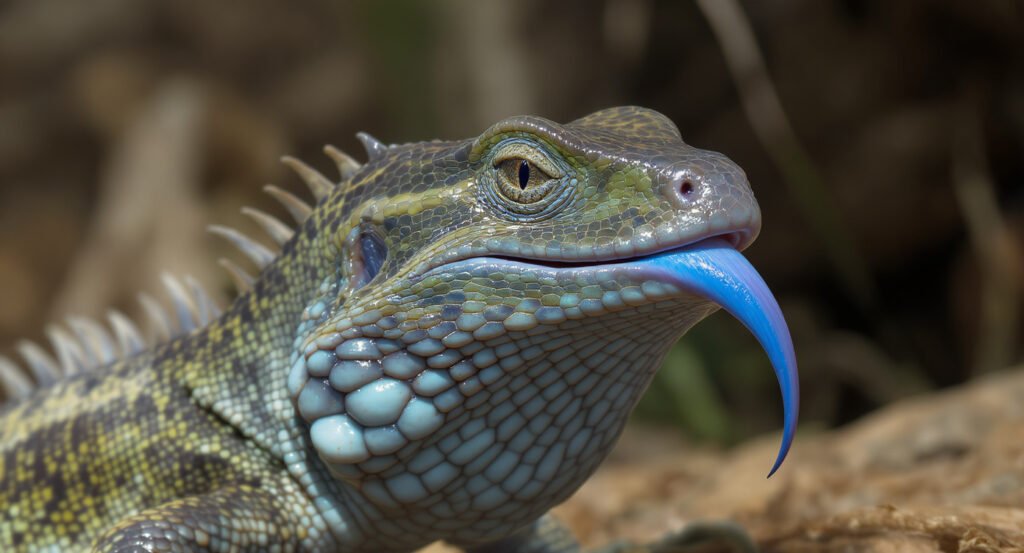
When your blue-tongued skink refuses food, it’s natural to feel concerned. Loss of appetite in blue-tongued skinks is one of the most common issues reptile owners face, but the good news is that most causes are fixable once you identify the underlying problem. This comprehensive guide will walk you through every potential reason your blue-tongued skink is not eating and provide actionable solutions to get your pet back to its healthy, hungry self.
Understanding Blue-Tongued Skink Appetite Patterns
Before diving into troubleshooting, it’s important to understand that blue-tongued skinks don’t eat with the same consistency as mammals. These reptiles are ectothermic, meaning their metabolism and appetite are directly influenced by external factors. A skink that skips a meal or two isn’t necessarily sick—but a prolonged refusal to eat lasting more than a week warrants investigation.
Environmental Factors Affecting Appetite
The most common reason for appetite loss in blue-tongued skinks is improper husbandry. These lizards are highly sensitive to their environment, and even small deviations from optimal conditions can shut down their feeding response.
Temperature Issues
Blue-tongued skinks require a thermal gradient with a basking spot between 95-100°F (35-38°C) and a cool side around 75-80°F (24-27°C). If temperatures are too low, your skink’s metabolism slows dramatically, reducing or eliminating appetite. Conversely, temperatures that are too high can cause stress and discomfort.
Worried About Your Reptile's Health?
Upload a photo and get instant AI health analysis. Catch problems before they become expensive vet bills.
Get Free Health Check →- Check your basking spot temperature with an infrared thermometer, not stick-on gauges
- Ensure your heat source is working properly and hasn’t burned out
- Verify that nighttime temperatures don’t drop below 70°F (21°C)
- Consider that room temperature changes in different seasons may require adjustments
Humidity Levels
While blue-tongued skinks don’t need extremely high humidity, levels between 40-60% are ideal. Too much or too little humidity can cause respiratory issues or discomfort that leads to appetite loss. Monitor humidity with a digital hygrometer and adjust misting or substrate moisture accordingly.
UVB Lighting Problems
Proper UVB exposure is critical for vitamin D3 synthesis, calcium metabolism, and overall health. Without adequate UVB, blue-tongued skinks can develop metabolic bone disease and experience reduced appetite. UVB bulbs lose effectiveness over time even when they still produce visible light.
- Replace UVB bulbs every 6-12 months depending on manufacturer recommendations
- Ensure the UVB source is positioned 10-12 inches from your skink’s basking area
- Use a 10-12% UVB tube or appropriate mercury vapor bulb
- Remove any glass or plastic barriers that block UVB rays
Health-Related Causes of Appetite Loss
When environmental factors are optimized but your blue-tongued skink still won’t eat, health issues may be the culprit.
Parasitic Infections
Internal parasites like pinworms, coccidia, and flagellates are common in reptiles and can cause significant appetite loss, weight loss, and lethargy. Even captive-bred skinks can develop parasitic infections. A fecal exam by a reptile veterinarian is the only way to diagnose and treat parasites properly.
Never Miss Early Warning Signs
AI photo analysis catches subtle health issues humans miss 80% of the time. Early detection = healthier reptile + lower vet bills.
Start Free Trial →Respiratory Infections
Respiratory infections are serious and can quickly become life-threatening. Signs include wheezing, mucus around the nostrils or mouth, open-mouth breathing, and loss of appetite. These infections often result from temperatures that are too low or humidity levels that are too high for extended periods.
Metabolic Bone Disease
MBD develops from calcium deficiency or improper UVB exposure. Early signs include reduced appetite, weakness, tremors, and soft or deformed bones. This condition requires immediate veterinary intervention and careful husbandry corrections.
Impaction
If your blue-tongued skink has ingested substrate, particularly loose substrates like sand or wood chips, it may be suffering from impaction. This blockage prevents normal digestion and eating. Signs include bloating, lethargy, and straining without defecation.
Stress Factors That Reduce Appetite
Blue-tongued skinks are generally hardy, but they can be sensitive to stress, which commonly suppresses appetite.
Join thousands of successful reptile owners
Try ReptileCoach Free →- New environment: Recently acquired or relocated skinks often refuse food for 1-2 weeks while adjusting
- Handling stress: Excessive or rough handling can cause anxiety and appetite loss
- Inadequate hiding spots: Skinks need secure places to retreat and feel safe
- Tank placement: Enclosures near loud noises, high traffic areas, or other pets can cause chronic stress
- Enclosure size: Tanks that are too small create stress; adult blue-tongued skinks need at least a 40-gallon enclosure
Seasonal Changes and Brumation
In their native Australian habitat, blue-tongued skinks experience seasonal temperature variations. Even in captivity, many skinks retain the instinct to brumate—a reptile form of hibernation—during cooler months. During brumation or pre-brumation periods (typically late fall through winter), skinks naturally reduce food intake or stop eating entirely.
This behavior is normal and not cause for alarm if your skink is otherwise healthy, maintaining weight, and environmental conditions remain stable. Brumation typically lasts 1-3 months. Ensure your skink is healthy and parasite-free before allowing brumation to proceed, and provide water access throughout.
Dietary Preferences and Feeding Issues
Sometimes the issue isn’t that your skink won’t eat—it’s that it won’t eat what you’re offering.
- Food variety: Blue-tongued skinks are omnivores requiring diverse diets. Offering only one or two foods can lead to boredom and refusal
- Food temperature: Many skinks prefer slightly warmed food rather than cold items straight from the refrigerator
- Food size: Pieces that are too large can be intimidating or difficult to consume
- Feeding schedule: Some skinks are picky about when they eat; try offering food at different times of day
- Previous diet: Newly acquired skinks may only recognize certain foods based on their previous feeding routine
When to See a Veterinarian
While short-term fasting is often normal, seek veterinary care if your blue-tongued skink hasn’t eaten for more than 3-4 weeks, is losing significant weight, shows signs of illness (lethargy, unusual droppings, discharge), or if you suspect parasites, infection, or impaction. Finding a reptile-experienced vet before you need one is always a good idea.
"This app saved my bearded dragon's life. The AI caught early MBD in photos I thought looked completely normal. Worth every penny!"
— Sarah K., ReptileCoach User
Get Your Free 7-Day Trial →Start Tracking Your Skink’s Health Today
Keeping detailed records of your blue-tongued skink’s feeding habits, weight, and behavior makes it much easier to identify problems early. The ReptileCoach app helps you log feeding sessions, track weight trends, set care reminders, and store important health information—all in one place. Give your blue-tongued skink the best possible care with the right tools at your fingertips.
Ready to Give Your Reptile the Best Care?
Stop guessing and start knowing. Get personalized AI-powered care guidance, photo health analysis, and 24/7 expert advice for YOUR specific reptile.
Get Personalized Care Guidance
AI-powered photo analysis and daily care tracking for YOUR reptile
Try Free for 7 Days →