
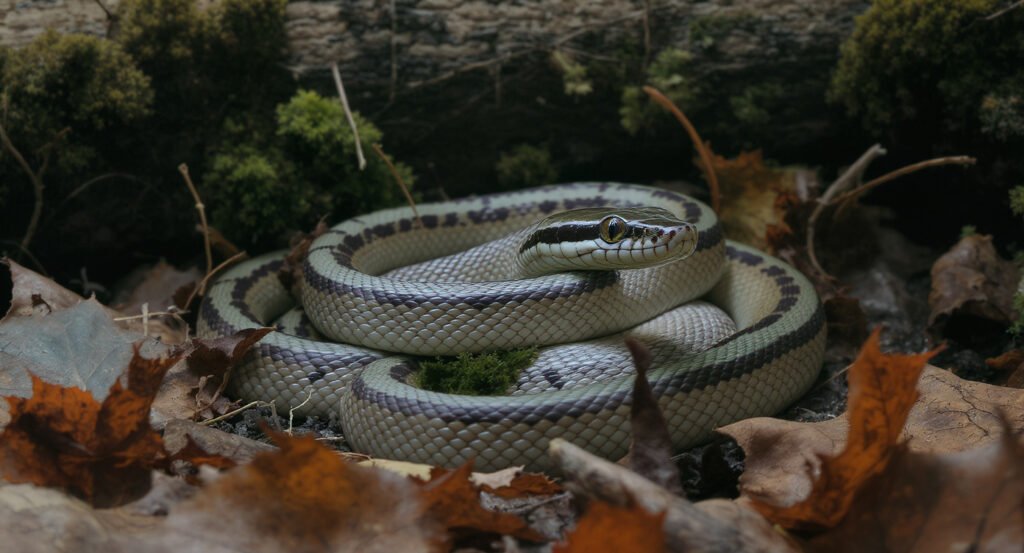
Introduction to Garter Snake Care
Garter snakes are among the most popular pet snakes for beginners, and for good reason. These docile, manageable reptiles are relatively easy to care for, making them an excellent first snake for those new to reptile keeping. Whether you’ve just brought home your first garter snake or you’re considering adding one to your family, this comprehensive guide will walk you through everything you need to know about proper garter snake care.
Understanding Garter Snakes
Garter snakes (Thamnophis species) are small to medium-sized snakes native to North America. They typically grow between 18 to 26 inches in length, though some species can reach up to 4 feet. These snakes are known for their distinctive longitudinal stripes running down their bodies and their generally calm temperament. Most garter snakes available in the pet trade are either wild-caught or captive-bred, with captive-bred specimens being the better choice for beginners due to their adaptation to captivity and reduced parasite load.
Setting Up the Perfect Habitat
Creating the right environment is crucial for your garter snake’s health and wellbeing. Here’s what you need to know about habitat setup:
Enclosure Size and Type
For a single adult garter snake, a 20-gallon long terrarium is the minimum recommended size. Larger is always better, as it provides more room for exercise and enrichment. A 30 or 40-gallon tank is ideal for adult specimens. Glass terrariums work well because they maintain humidity while allowing you to observe your snake. Make sure the enclosure has a secure, locking lid, as garter snakes are known escape artists.
Worried About Your Reptile's Health?
Upload a photo and get instant AI health analysis. Catch problems before they become expensive vet bills.
Get Free Health Check →Temperature and Lighting
Garter snakes are ectothermic, meaning they rely on external heat sources to regulate their body temperature. Your enclosure should have a temperature gradient:
- Warm side: 80-85°F (26-29°C)
- Cool side: 70-75°F (21-24°C)
- Basking spot: 85-90°F (29-32°C)
Use an under-tank heating pad or ceramic heat emitter to create this gradient. Never rely solely on heat rocks, as these can cause burns. While garter snakes don’t require UVB lighting like some reptiles, providing a low-level UVB bulb (5.0) can benefit their overall health and natural behavior. Maintain a 12-hour light/dark cycle to mimic natural day-night patterns.
Substrate and Furnishings
Choose a substrate that retains some moisture while being easy to clean. Good options include:
- Aspen shavings
- Cypress mulch
- Paper-based bedding
- Reptile carpet (though this requires frequent washing)
Avoid cedar or pine shavings, as these contain oils toxic to reptiles. Provide plenty of hiding spots—at least one on each end of the temperature gradient. Use commercial reptile hides, cork bark, or even cardboard boxes. Add branches or artificial plants for climbing and enrichment, as garter snakes are semi-arboreal and enjoy exploring vertical space.
Never Miss Early Warning Signs
AI photo analysis catches subtle health issues humans miss 80% of the time. Early detection = healthier reptile + lower vet bills.
Start Free Trial →Water and Humidity
Always provide a large, shallow water dish that’s big enough for your snake to soak in. Garter snakes often defecate in their water, so check and clean the dish daily. Maintain humidity levels between 40-60%. You can monitor this with a hygrometer placed inside the enclosure. Mist the enclosure lightly if humidity drops too low, especially during shedding periods.
Feeding Your Garter Snake
Garter snakes have diverse dietary needs that differ from many other pet snakes. Understanding their nutritional requirements is key to keeping them healthy.
What to Feed
In the wild, garter snakes eat a varied diet including fish, amphibians, earthworms, and small rodents. In captivity, you can offer:
- Earthworms (nightcrawlers)
- Fish fillets (tilapia, salmon, trout—avoid goldfish due to thiaminase)
- Pinky mice (occasionally)
- Feeder fish (guppies, minnows—vitamin-dusted)
Many keepers find success with a rotation of earthworms and fish pieces. If feeding fish exclusively, supplement with vitamin B1 (thiamine) to prevent deficiency, as some fish contain enzymes that break down this essential vitamin.
Join thousands of successful reptile owners
Try ReptileCoach Free →Feeding Schedule
Juvenile garter snakes should be fed every 2-3 days, while adults can be fed every 4-5 days. Offer appropriately sized prey—nothing wider than the widest part of your snake’s body. Watch your snake’s body condition; you should be able to feel the ribs with gentle pressure but not see them prominently. Obesity is a common problem in captive garter snakes, so avoid overfeeding.
Handling and Temperament
Garter snakes are generally docile, but individual temperaments vary. Wild-caught specimens may be more defensive initially, while captive-bred snakes typically calm down quickly with regular, gentle handling.
How to Handle Safely
Wait at least 48 hours after feeding before handling to prevent regurgitation. When picking up your snake, move slowly and confidently. Support the snake’s body along its length rather than grabbing or restraining it. Handle for 10-15 minutes several times a week to build trust. New snakes may release musk (a foul-smelling defensive secretion) when frightened—this is normal and will decrease with time.
Reading Body Language
Learn to recognize stress signals. A garter snake that’s rapidly flicking its tongue, coiling tightly, or attempting to flee is stressed and should be returned to its enclosure. Never handle a snake that’s in shed (eyes appear cloudy or blue), as their vision is impaired and they’re more easily stressed.
"This app saved my bearded dragon's life. The AI caught early MBD in photos I thought looked completely normal. Worth every penny!"
— Sarah K., ReptileCoach User
Get Your Free 7-Day Trial →Health and Common Issues
Preventive care is the best medicine. Regular observation and proper husbandry will catch most health issues early.
Signs of a Healthy Garter Snake
- Clear, bright eyes (except during shed)
- Regular feeding response
- Smooth, complete sheds
- Active and alert behavior
- Well-formed feces
- No visible parasites or abnormal swellings
Common Health Problems
Parasites: Both internal and external parasites are common, especially in wild-caught specimens. Have your snake examined by a reptile veterinarian shortly after acquisition. Regular fecal checks can detect internal parasites early.
Respiratory infections: Symptoms include wheezing, mucus around the nose or mouth, and lethargy. These often result from temperatures that are too cool or humidity that’s too high. Veterinary treatment with antibiotics is usually necessary.
Skin infections: Look for discolored scales, blisters, or lesions. These can result from poor substrate hygiene or excessive moisture. Keep the enclosure clean and maintain proper humidity levels.
Worried About Your Reptile's Health?
Upload a photo and get instant AI health analysis. Catch problems before they become expensive vet bills.
Get Free Health Check →Incomplete sheds: This indicates improper humidity. Increase misting and ensure a large water dish is available. Retained eye caps require veterinary attention to prevent vision damage.
Finding a Reptile Veterinarian
Establish a relationship with a qualified reptile veterinarian before you need one. Not all vets treat reptiles, so research exotic animal specialists in your area. Schedule a wellness check within the first few weeks of ownership to establish baseline health.
Take Your Garter Snake Care to the Next Level
Keeping track of feeding schedules, shed cycles, weight measurements, and health observations can quickly become overwhelming, especially as you gain experience and expand your collection. That’s where technology can help streamline your reptile husbandry routine.
Organize your garter snake care routine with the ReptileCoach app. Track feeding schedules, record shed dates, monitor weight trends, set care reminders, and keep all your snake’s health records in one convenient place. Whether you’re managing one garter snake or an entire collection, ReptileCoach helps you stay organized and ensures you never miss important care tasks. Download today and become the best snake keeper you can be.
Never Miss Early Warning Signs
AI photo analysis catches subtle health issues humans miss 80% of the time. Early detection = healthier reptile + lower vet bills.
Start Free Trial →Final Thoughts
Garter snakes make wonderful pets for beginners and experienced keepers alike. With proper habitat setup, appropriate nutrition, gentle handling, and attention to health, your garter snake can thrive in captivity for 10-15 years or more. Remember that every snake is an individual with its own personality and preferences. Observe your snake, learn its behaviors, and adjust your care accordingly. The time you invest in understanding and meeting your garter snake’s needs will be rewarded with a healthy, active pet that brings you years of enjoyment.
Ready to Give Your Reptile the Best Care?
Stop guessing and start knowing. Get personalized AI-powered care guidance, photo health analysis, and 24/7 expert advice for YOUR specific reptile.
Get Personalized Care Guidance
AI-powered photo analysis and daily care tracking for YOUR reptile
Try Free for 7 Days →