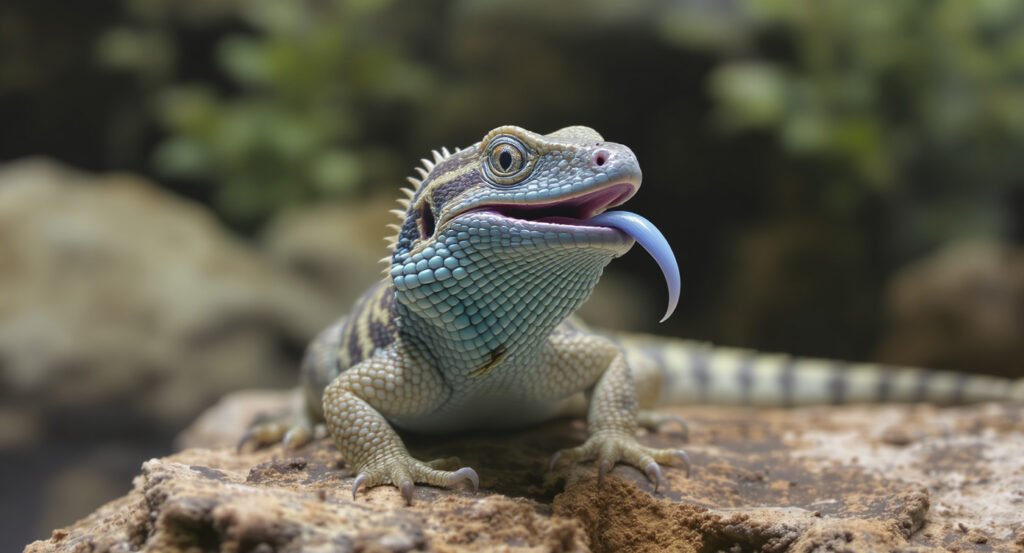
When your blue-tongued skink stops eating, it can be worrying. These typically enthusiastic feeders rarely refuse food without reason. Understanding why your skink isn’t eating and how to address the issue is essential for maintaining their health and wellbeing.
Why Blue-Tongued Skinks Stop Eating
Blue-tongued skinks are generally hardy reptiles with healthy appetites, but several factors can cause appetite loss. Some causes are natural and temporary, while others require immediate attention.
1. Brumation (Winter Slowdown)
Blue-tongued skinks naturally enter a period of reduced activity during cooler months, even in captivity. During brumation, your skink may eat significantly less or stop eating entirely for several weeks to months.
Signs it’s brumation: Your skink is lethargic but otherwise healthy, temperatures have dropped slightly, and it’s autumn or winter. This is normal behavior and doesn’t require intervention beyond monitoring their weight.
Worried About Your Reptile's Health?
Upload a photo and get instant AI health analysis. Catch problems before they become expensive vet bills.
Get Free Health Check →2. Incorrect Temperature
Temperature is critical for reptile digestion. Blue-tongued skinks need a basking spot of 95-100°F and a cool side around 75-80°F. Without proper heat, they cannot digest food effectively and will refuse to eat.
Solution: Check your temperatures with a reliable thermometer (not stick-on types). Verify your heat source is working and positioned correctly. Adjust heating elements as needed to restore proper thermal gradients.
3. Stress from Environmental Changes
New environments, frequent handling, enclosure changes, or nearby predators (including other pets) can stress blue-tongues into refusing food. They need time to acclimate and feel secure.
Solution: Minimize handling for 1-2 weeks after any major change. Ensure the enclosure has adequate hiding spots on both warm and cool sides. Keep other pets away from the enclosure and place it in a quiet location.
Never Miss Early Warning Signs
AI photo analysis catches subtle health issues humans miss 80% of the time. Early detection = healthier reptile + lower vet bills.
Start Free Trial →4. Improper Humidity Levels
Blue-tongued skinks require moderate humidity (30-40% for most species, higher for Indonesian types). Incorrect humidity affects shedding, respiratory health, and appetite.
Solution: Monitor humidity with a hygrometer. Adjust by adding or removing water sources, changing substrate moisture, or improving ventilation. Ensure proper humidity for your specific blue-tongue species.
5. Illness or Parasites
Respiratory infections, metabolic bone disease, parasites, and other health issues commonly cause appetite loss. Look for accompanying symptoms like lethargy, weight loss, abnormal feces, mouth breathing, or discharge.
Solution: If your skink shows illness symptoms, consult a reptile veterinarian immediately. Fecal tests can identify parasites, and early intervention prevents serious complications.
Join thousands of successful reptile owners
Try ReptileCoach Free →6. Dietary Issues
Monotonous diets, spoiled food, or foods that are too large can cause refusal. Blue-tongues need variety including protein sources, vegetables, and occasional fruits.
Solution: Offer diverse foods like snails, ground turkey, leafy greens, squash, and berries. Ensure food pieces are appropriately sized (no larger than the space between their eyes). Try different food items if they’re refusing their usual diet.
7. Shedding Cycle
Many blue-tongued skinks reduce or stop eating before and during shedding. Their eyes may appear cloudy or blue, and their skin looks dull.
Solution: This is temporary and normal. Ensure humidity is adequate for successful shedding. Resume normal feeding after the shed completes.
"This app saved my bearded dragon's life. The AI caught early MBD in photos I thought looked completely normal. Worth every penny!"
— Sarah K., ReptileCoach User
Get Your Free 7-Day Trial →When to Worry: Red Flags
While brief appetite loss is often normal, certain signs require immediate veterinary attention:
- No eating for more than 3 weeks (outside of brumation)
- Significant weight loss (over 10% body weight)
- Lethargy combined with appetite loss
- Abnormal feces, vomiting, or regurgitation
- Visible signs of illness or injury
- Sunken eyes or loose skin indicating dehydration
How to Encourage Your Skink to Eat
Once you’ve addressed potential causes, try these strategies to stimulate appetite:
Optimize feeding times: Offer food during their active period, typically mid-morning after they’ve warmed up under the basking light.
Try different foods: Blue-tongues have preferences. Experiment with snails, canned dog food (high-quality, no onion or garlic), repashy grub pie, or different vegetables.
Worried About Your Reptile's Health?
Upload a photo and get instant AI health analysis. Catch problems before they become expensive vet bills.
Get Free Health Check →Use scent: Wiping prey items with fish oil or offering strongly-scented foods like strawberries can trigger feeding responses.
Hand feeding: Some skinks respond better to food offered by tongs or hand, as movement attracts their attention.
Adjust presentation: Chop food into smaller pieces or create a colorful mix. Visual appeal matters to these intelligent lizards.
Tracking Your Blue-Tongued Skink’s Health
Maintaining detailed records helps identify patterns and catch problems early. Document feeding frequency, food types, weight changes, shedding cycles, and behavioral observations.
Never Miss Early Warning Signs
AI photo analysis catches subtle health issues humans miss 80% of the time. Early detection = healthier reptile + lower vet bills.
Start Free Trial →For comprehensive reptile care tracking, check out the ReptileCoach app, designed specifically for monitoring your reptile’s health, feeding schedules, and care routines. Having organized records makes vet visits more productive and helps you provide the best possible care.
Prevention: Keeping Your Blue-Tongue Eating Well
The best approach is preventing appetite loss through optimal care:
- Maintain consistent temperatures with quality thermostats
- Provide appropriate humidity for your species
- Offer varied, nutritionally complete diets
- Minimize stress through proper husbandry
- Schedule annual vet checkups for preventive care
- Keep detailed care records to spot changes early
Final Thoughts
A blue-tongued skink refusing food is usually responding to environmental factors you can correct. By systematically checking temperatures, humidity, stress levels, and health status, you can typically identify and resolve the issue. Remember that brief appetite changes, especially during seasonal transitions or shedding, are often normal.
However, never ignore prolonged appetite loss or appetite loss accompanied by other symptoms. When in doubt, consult a qualified reptile veterinarian. Your blue-tongued skink’s health and happiness depend on attentive, informed care.
Join thousands of successful reptile owners
Try ReptileCoach Free →Ready to Give Your Reptile the Best Care?
Stop guessing and start knowing. Get personalized AI-powered care guidance, photo health analysis, and 24/7 expert advice for YOUR specific reptile.
Get Personalized Care Guidance
AI-powered photo analysis and daily care tracking for YOUR reptile
Try Free for 7 Days →