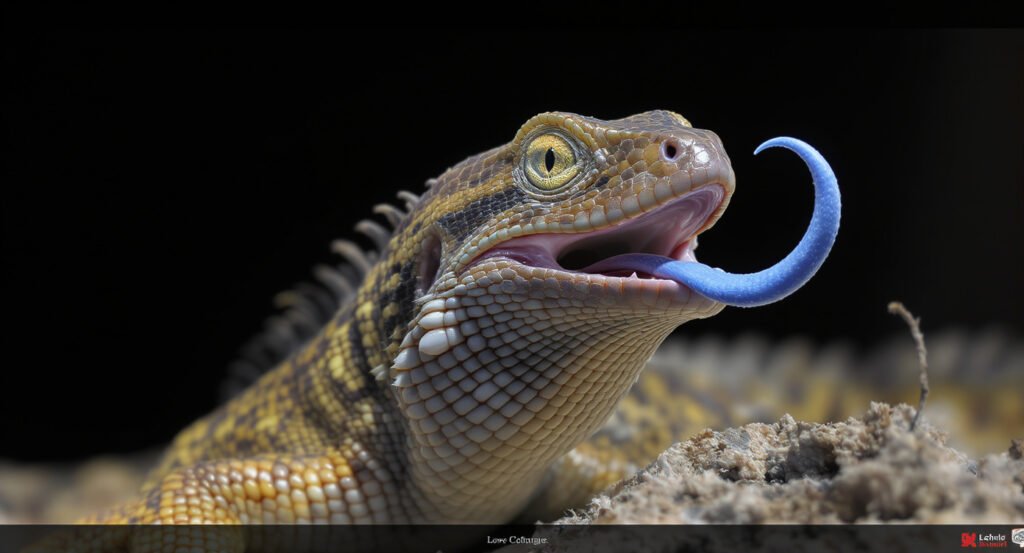
Discovering that your blue-tongued skink has stopped eating can be alarming for any reptile keeper. These typically voracious lizards are known for their hearty appetites, so a sudden loss of interest in food often signals that something needs attention. The good news? Most feeding issues are fixable once you identify the underlying cause.
In this comprehensive guide, we’ll explore why your blue-tongued skink might not be eating and provide actionable solutions to get your scaly friend back to their normal feeding routine.
Understanding Normal Blue-Tongued Skink Eating Behavior
Before diving into problems, it’s important to understand what normal eating looks like for blue-tongued skinks. These omnivorous lizards typically eat every 2-3 days as adults, though juveniles may eat daily. They’re opportunistic feeders in the wild, consuming everything from insects and snails to fruits and vegetation.
A healthy blue-tongued skink should show interest in food, actively investigate offerings, and consume meals with enthusiasm. Any deviation from this pattern lasting more than a week warrants investigation.
Worried About Your Reptile's Health?
Upload a photo and get instant AI health analysis. Catch problems before they become expensive vet bills.
Get Free Health Check →7 Common Reasons Your Blue-Tongued Skink Won’t Eat
1. Incorrect Temperature Gradients
Temperature is the most common culprit behind appetite loss in blue-tongued skinks. These reptiles are ectothermic, meaning they rely on external heat sources to regulate their body temperature and digestive processes.
- Basking spot: Should be 95-100°F (35-38°C)
- Cool side: Should be 75-80°F (24-27°C)
- Nighttime: Can drop to 70-75°F (21-24°C)
If temperatures are too low, your skink’s metabolism slows down, and they simply won’t feel hungry. Check your thermometers (use digital probe thermometers for accuracy) and ensure your heating equipment is functioning properly.
2. Improper Humidity Levels
Blue-tongued skinks need moderate humidity levels of 40-60%. Too much or too little humidity can cause stress and respiratory issues, both of which suppress appetite. Use a reliable hygrometer to monitor humidity levels and adjust misting schedules or substrate moisture accordingly.
3. Seasonal Brumation Behavior
Blue-tongued skinks may naturally slow down or stop eating during winter months, even in captivity. This semi-hibernation state called brumation is triggered by shorter daylight hours and cooler temperatures. During brumation (typically lasting 6-12 weeks), reduced appetite is completely normal.
Never Miss Early Warning Signs
AI photo analysis catches subtle health issues humans miss 80% of the time. Early detection = healthier reptile + lower vet bills.
Start Free Trial →Signs your skink is brumating rather than sick include:
- Decreased activity but still alert when handled
- No signs of weight loss or dehydration
- Normal behavior otherwise
- Occurs during fall/winter months
4. Stress and Environmental Changes
Blue-tongued skinks are creatures of habit. Recent changes can cause stress-induced appetite loss:
- New enclosure or relocation
- Excessive handling
- Loud noises or vibrations
- Presence of other pets
- Inadequate hiding spots
Give your skink time to adjust to changes—it may take 1-2 weeks for appetite to return. Ensure they have at least two hiding spots (one on the warm side, one on the cool side) where they feel secure.
5. Health Issues and Parasites
Various health problems can cause appetite loss:
Join thousands of successful reptile owners
Try ReptileCoach Free →- Respiratory infections: Watch for wheezing, mucus, or open-mouth breathing
- Metabolic bone disease: Look for lethargy, tremors, or deformed limbs
- Internal parasites: May cause weight loss despite eating, or complete appetite loss
- Impaction: Results from ingesting substrate or prey that’s too large
If you suspect illness, especially if your skink shows other symptoms like lethargy, abnormal feces, or weight loss, consult a reptile veterinarian immediately. For help tracking your skink’s health patterns and feeding schedule, consider using specialized reptile care tracking tools that can help you identify concerning trends early.
6. Shedding Cycle
Many blue-tongued skinks reduce or stop eating 3-7 days before shedding. This is completely normal behavior. You’ll notice their skin becomes dull and their eyes may appear cloudy. Once the shed is complete, appetite should return immediately.
7. Dietary Issues and Food Preferences
Sometimes the problem is simply the food itself:
- Offering the same food repeatedly (they need variety)
- Food that’s too large or difficult to manage
- Lack of scent (they hunt partially by smell)
- Incorrect supplementation making food taste unpalatable
Solutions to Get Your Blue-Tongued Skink Eating Again
Optimize the Enclosure
Start with the basics: verify all environmental parameters are correct. Use quality thermometers and hygrometers, and ensure your UVB bulb isn’t expired (they need replacement every 6-12 months even if still producing visible light).
"This app saved my bearded dragon's life. The AI caught early MBD in photos I thought looked completely normal. Worth every penny!"
— Sarah K., ReptileCoach User
Get Your Free 7-Day Trial →Offer Variety and Enticing Foods
Try these appetite-stimulating options:
- Live insects (dubias, crickets, hornworms)
- Snails—many skinks find these irresistible
- Scrambled egg with calcium powder
- Turkey or chicken baby food (organic, no additives)
- Slightly warmed food to enhance scent
- Blueberries or strawberries (many skinks love these)
Adjust Feeding Schedule and Method
Some skinks are shy feeders. Try offering food in the evening when they’re more active, or place food in their hide so they can eat privately. You can also try hand-feeding or using feeding tongs to simulate prey movement.
Reduce Stress
Minimize handling during appetite issues. Cover three sides of the enclosure if your skink seems nervous. Ensure they have adequate substrate depth for burrowing (2-4 inches) and multiple hiding options.
When to See a Veterinarian
Seek professional help if:
Worried About Your Reptile's Health?
Upload a photo and get instant AI health analysis. Catch problems before they become expensive vet bills.
Get Free Health Check →- Your skink hasn’t eaten for more than 2-3 weeks (outside of brumation)
- There’s noticeable weight loss
- Other symptoms appear (lethargy, abnormal feces, breathing issues)
- Your skink is juvenile or underweight
Prevention: Keeping Your Blue-Tongued Skink Healthy
The best approach is prevention through proper husbandry:
- Maintain correct temperatures and humidity year-round
- Provide UVB lighting on a 12-hour cycle
- Offer varied, nutritionally balanced diet
- Dust food with calcium and vitamin supplements as recommended
- Annual veterinary check-ups with fecal testing
- Keep detailed feeding and health records
Final Thoughts
A blue-tongued skink refusing food is usually manageable with proper troubleshooting. Start by checking environmental parameters, consider natural seasonal behaviors, and observe for additional symptoms. Most feeding issues resolve within a few weeks once you’ve addressed the underlying cause.
Remember that patience is key—don’t force-feed unless directed by a veterinarian, as this can cause additional stress. By maintaining optimal conditions and staying attentive to your skink’s behavior patterns, you’ll help ensure your scaly companion lives a long, healthy life with a hearty appetite.
Have you experienced feeding issues with your blue-tongued skink? Understanding what worked for your situation can help you become a more confident reptile keeper and quickly address similar issues in the future.
Never Miss Early Warning Signs
AI photo analysis catches subtle health issues humans miss 80% of the time. Early detection = healthier reptile + lower vet bills.
Start Free Trial →Ready to Give Your Reptile the Best Care?
Stop guessing and start knowing. Get personalized AI-powered care guidance, photo health analysis, and 24/7 expert advice for YOUR specific reptile.
Get Personalized Care Guidance
AI-powered photo analysis and daily care tracking for YOUR reptile
Try Free for 7 Days →