Meet the Kenyan Sand Boa
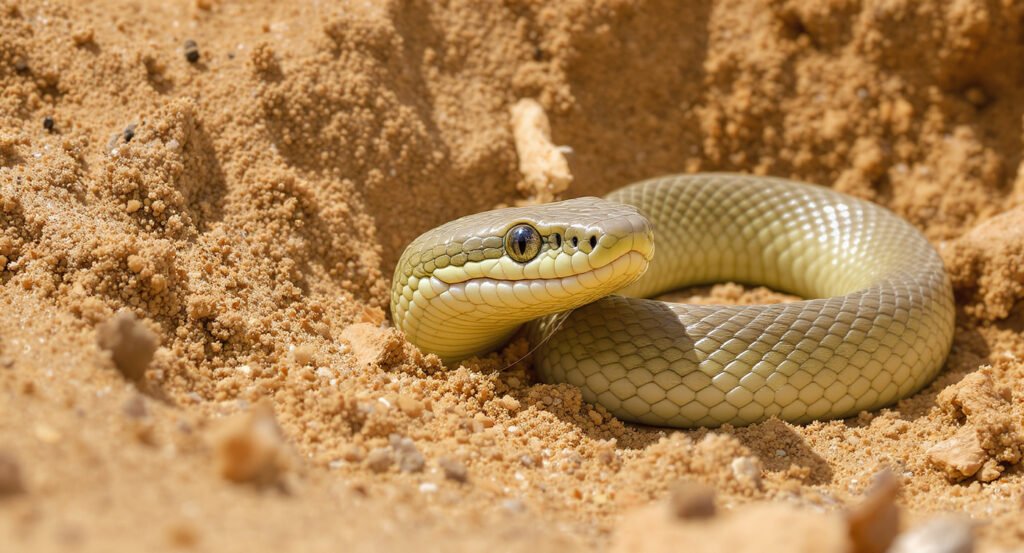
The Kenyan sand boa (Gongylophis colubrinus) is one of the most beginner-friendly pet snakes available. These small, docile burrowing snakes rarely exceed 2 feet in length, require minimal space, and tolerate handling well. Native to East Africa’s arid regions, sand boas have adapted to life underground, making them low-maintenance pets perfect for first-time snake keepers.
With their stubby tails, smooth scales, and calm temperament, Kenyan sand boas are often called “two-headed snakes” because their blunt tails resemble their heads—a defensive adaptation that confuses predators.
Enclosure Setup and Size Requirements
Sand boas are ambush predators that spend most of their time buried, so floor space matters more than height.
Tank Size:
- Hatchlings and juveniles: 10-gallon tank (20″ x 10″ x 12″)
- Adults: 20-gallon long tank minimum (30″ x 12″ x 12″)
- Multiple snakes: Add 10 gallons per additional snake (not recommended for beginners)
Glass aquariums, PVC enclosures, and plastic tubs all work well. Ensure the enclosure has a secure locking lid with ventilation—sand boas are surprisingly strong and can push lids open.
Worried About Your Reptile's Health?
Upload a photo and get instant AI health analysis. Catch problems before they become expensive vet bills.
Get Free Health Check →Enclosure Accessories:
- Two hides (one on warm side, one on cool side)
- Water bowl large enough for soaking
- Under-tank heating pad or heat tape
- Thermometer and hygrometer
- Substrate for burrowing (4-6 inches deep)
Substrate: The Foundation of Sand Boa Care
Since sand boas are burrowing specialists, substrate choice is critical. The substrate must allow burrowing, hold shape, and be safe if accidentally ingested.
Best Substrate Options:
Aspen Shavings (Most Popular)
Affordable, holds burrows well, low dust, easy to spot-clean. Replace every 4-6 weeks.
Reptile Sand (Play Sand or CaribSea)
Closest to natural environment, excellent burrowing. Mix 70% sand with 30% coconut fiber for better tunnel stability. Avoid calcium sand—causes impaction if ingested.
Coconut Fiber (Eco Earth)
Holds moisture, good for shedding. Can be dusty when dry. Works best mixed with sand.
Never Miss Early Warning Signs
AI photo analysis catches subtle health issues humans miss 80% of the time. Early detection = healthier reptile + lower vet bills.
Start Free Trial →Paper-Based Bedding
Safe and absorbent but doesn’t hold burrows well. Best for quarantine or hatchlings.
Substrates to Avoid:
- Cedar or pine (toxic aromatic oils)
- Pure calcium sand (impaction risk)
- Gravel or rocks (too hard, no burrowing)
Temperature and Heating Requirements
Sand boas need a thermal gradient to thermoregulate—moving between warm and cool zones to maintain optimal body temperature.
Temperature Zones:
- Warm side (basking spot): 90-95°F (32-35°C)
- Cool side: 75-80°F (24-27°C)
- Nighttime: Can drop to 70-75°F (21-24°C)
Heating Equipment:
Under-Tank Heater (UTH) – Recommended
Heat mats or tape under 1/3 to 1/2 of the enclosure floor. Since sand boas burrow, belly heat is essential. Always use a thermostat to prevent overheating.
Heat Lamps (Optional)
Can be used but aren’t necessary since sand boas are fossorial. If used, provide only during daytime and combine with UTH.
Join thousands of successful reptile owners
Try ReptileCoach Free →Thermostats (Essential)
Connect UTH to a thermostat set to 90-92°F. This prevents burns and maintains stable temperatures.
Monitoring Temperature:
Use at least two thermometers—one on each end. Digital probe thermometers or temp guns provide accurate surface readings. Check temperatures daily.
Humidity Requirements
Kenyan sand boas are desert snakes requiring low humidity:
- Normal humidity: 30-50%
- During shedding: Increase to 50-60% temporarily
Too much humidity causes respiratory infections and scale rot. Ensure good ventilation and avoid misting unless the snake is in shed. Provide a humid hide (hide box with damp sphagnum moss) for shedding rather than raising overall enclosure humidity.
"This app saved my bearded dragon's life. The AI caught early MBD in photos I thought looked completely normal. Worth every penny!"
— Sarah K., ReptileCoach User
Get Your Free 7-Day Trial →Feeding Your Sand Boa
Sand boas are opportunistic feeders with simple dietary needs.
Diet:
- Hatchlings: Pinkie mice every 5-7 days
- Juveniles: Fuzzy to small adult mice every 7-10 days
- Adults: Adult mice or small rats every 10-14 days
Prey size should be approximately the same width as the thickest part of the snake’s body. Sand boas have slower metabolisms than many snakes and can become obese—avoid overfeeding.
Feeding Tips:
- Feed frozen-thawed rodents (safer than live prey)
- Use tongs to avoid bite confusion
- Feed in the enclosure—sand boas ambush from below substrate
- Don’t handle for 48 hours after feeding
- Provide fresh water at all times
Handling and Temperament
Kenyan sand boas are among the most docile snakes, rarely biting even when startled. They tolerate handling well but don’t require it for enrichment like some species.
Handling Guidelines:
- Wait 1 week after bringing home before handling
- Start with 5-10 minute sessions 2-3 times per week
- Support the body fully—never grab or dangle
- Wash hands before and after handling
- Handle in a secure area (not over hard floors)
Sand boas may be shy initially, preferring to stay buried. This is normal behavior—not stress. They become more confident with consistent, gentle handling.
Worried About Your Reptile's Health?
Upload a photo and get instant AI health analysis. Catch problems before they become expensive vet bills.
Get Free Health Check →Common Health Issues and Prevention
Respiratory Infections
Symptoms: Wheezing, mucus around mouth, lethargy
Causes: High humidity, low temperatures, poor ventilation
Prevention: Maintain proper humidity (30-50%) and temperatures
Scale Rot
Symptoms: Discolored, blistered, or rotting belly scales
Causes: Damp substrate, high humidity
Prevention: Keep substrate dry, spot-clean waste immediately
Mites
Symptoms: Tiny moving black/red dots, excessive soaking, restlessness
Causes: Introduction from new snakes or contaminated substrate
Prevention: Quarantine new animals, inspect substrates
Stuck Shed
Symptoms: Retained eye caps, patches of old skin
Causes: Low humidity during shedding
Prevention: Provide humid hide, increase humidity to 50-60% when eyes turn blue
Never Miss Early Warning Signs
AI photo analysis catches subtle health issues humans miss 80% of the time. Early detection = healthier reptile + lower vet bills.
Start Free Trial →Obesity
Symptoms: Thick body, visible fat rolls, sluggish movement
Causes: Overfeeding, prey too large
Prevention: Follow feeding schedule, monitor body condition
Lifespan and Long-Term Care
With proper care, Kenyan sand boas live 15-20 years, with some exceeding 25 years. They remain small, low-maintenance, and handleable throughout their lives, making them excellent long-term companions.
Simplify Your Sand Boa Care Routine
Tracking feeding schedules, monitoring humidity during sheds, and logging health observations keeps your sand boa thriving. ReptileCoach’s care schedule tools send feeding reminders, track growth patterns, and help you spot health trends early. Whether you’re a first-time snake owner or managing multiple reptiles, organized care records make a difference.
Kenyan sand boas are proof that great pet snakes don’t need to be complicated. With simple setup requirements, forgiving care parameters, and docile temperaments, they’re perfect starter snakes—and lifelong friends.
Join thousands of successful reptile owners
Try ReptileCoach Free →Ready to Give Your Reptile the Best Care?
Stop guessing and start knowing. Get personalized AI-powered care guidance, photo health analysis, and 24/7 expert advice for YOUR specific reptile.
Get Personalized Care Guidance
AI-powered photo analysis and daily care tracking for YOUR reptile
Try Free for 7 Days →