
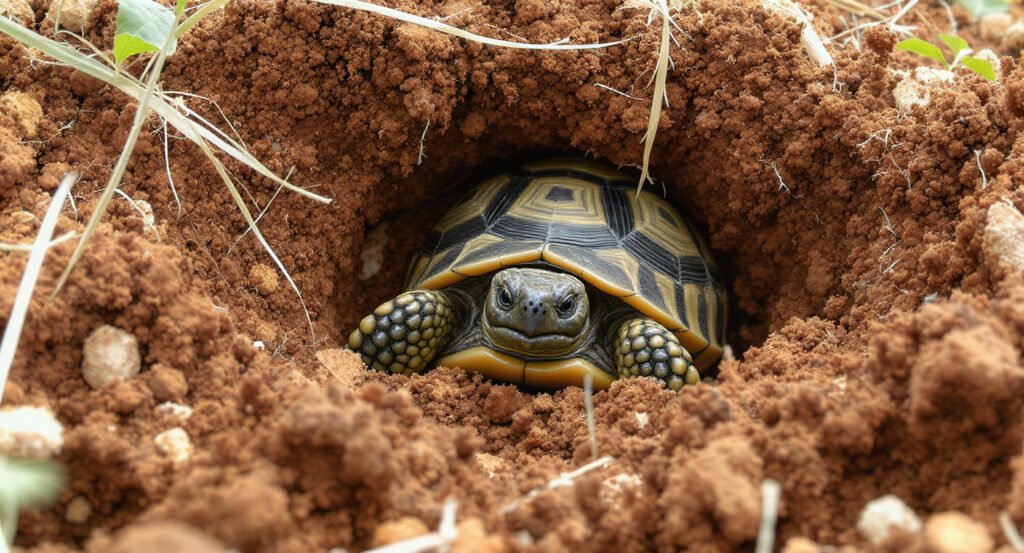
Understanding Tortoise Hibernation (Brumation)
Tortoise hibernation, scientifically known as brumation, is a natural biological process where cold-blooded reptiles enter a state of dormancy during winter months. Unlike true hibernation in mammals, brumation involves periods of reduced activity rather than continuous sleep. Understanding this process is essential for keeping your tortoise healthy and mimicking their natural seasonal cycles.
Which Tortoise Species Hibernate?
Not all tortoise species require hibernation. Whether your pet needs to brumate depends largely on their natural habitat and species:
Species That Hibernate:
- Russian Tortoises (Horsfield’s Tortoise) – 8-12 weeks
- Hermann’s Tortoises – 8-12 weeks
- Greek Tortoises (Spur-thighed) – 8-10 weeks
- Eastern Box Turtles – 10-14 weeks
- Western Box Turtles – 10-14 weeks
- Desert Tortoises – 12-16 weeks
Species That Don’t Hibernate:
- Leopard Tortoises
- Sulcata Tortoises (African Spurred)
- Red-footed Tortoises
- Yellow-footed Tortoises
- Indian Star Tortoises
If you’re unsure whether your specific species requires hibernation, consult with a reptile veterinarian before attempting brumation.
Temperature Requirements for Safe Hibernation
Temperature control is absolutely critical for safe tortoise hibernation. The ideal hibernation temperature range is 39-50°F (4-10°C), with 40-45°F (4-7°C) being optimal for most species.
Worried About Your Reptile's Health?
Upload a photo and get instant AI health analysis. Catch problems before they become expensive vet bills.
Get Free Health Check →Temperature Risks:
- Too warm (above 50°F/10°C): Tortoise won’t enter proper hibernation, burning through fat reserves while not eating
- Too cold (below 39°F/4°C): Risk of freezing, tissue damage, and death
- Temperature fluctuations: Can cause premature waking and stress
Invest in multiple thermometers to monitor temperature consistently throughout hibernation. Digital thermometers with min/max memory functions are ideal.
Preparing Your Tortoise for Hibernation
Proper preparation takes 4-6 weeks and is crucial for survival. Never rush this process.
Step 1: Health Check (6 Weeks Before)
Schedule a veterinary examination to ensure your tortoise is healthy enough to hibernate. Sick, underweight, or injured tortoises should NOT hibernate. Hatchlings under 3 years old typically should not hibernate either.
Step 2: Gradual Cooling (4-6 Weeks Before)
Slowly reduce enclosure temperatures by 5°F per week. Simultaneously reduce daylight hours by 1-2 hours per week. This mimics natural seasonal changes.
Never Miss Early Warning Signs
AI photo analysis catches subtle health issues humans miss 80% of the time. Early detection = healthier reptile + lower vet bills.
Start Free Trial →Step 3: Fasting Period (2-4 Weeks Before)
Stop feeding 2-4 weeks before hibernation (larger tortoises need longer). Continue providing water. The tortoise must empty their digestive system completely before hibernation, as undigested food can rot and cause fatal infections.
Step 4: Bathing
Give daily warm baths (85°F/29°C) during the fasting period to encourage defecation and maintain hydration.
Step 5: Final Preparations
Weigh your tortoise and record it. Place them in a hibernation box with substrate (shredded paper, hay, or coconut coir). The tortoise should be able to burrow completely.
Hibernation Methods and Safety
Refrigerator Method (Most Reliable)
Using a dedicated refrigerator set to 40-45°F (4-7°C) provides the most stable temperature control. Place the hibernation box inside and check temperature daily.
Join thousands of successful reptile owners
Try ReptileCoach Free →Garage/Shed Method
Only suitable in climates with stable winter temperatures. Requires insulated boxes and constant monitoring.
Outdoor Hibernation
Not recommended for beginners. Only appropriate for tortoises in their natural geographic range with proper burrow construction.
Monitoring During Hibernation
Check your hibernating tortoise every 2-4 weeks:
- Weigh them: Weight loss should not exceed 1% of body weight per month
- Check for wetness or discharge: Signs of illness
- Verify temperature stability: Use min/max thermometer
- Look for signs of waking: Movement, eye opening
If weight loss exceeds 10% total or any health concerns arise, wake the tortoise immediately and consult a vet.
"This app saved my bearded dragon's life. The AI caught early MBD in photos I thought looked completely normal. Worth every penny!"
— Sarah K., ReptileCoach User
Get Your Free 7-Day Trial →Waking Your Tortoise from Hibernation
Reverse the cooling process gradually over 1-2 weeks. Move the hibernation box to progressively warmer locations, eventually returning to their normal enclosure at full temperature.
Offer a warm bath immediately. Most tortoises will drink heavily. Offer food after 2-3 days. If they don’t eat within a week, consult a veterinarian.
Common Hibernation Mistakes to Avoid
- Hibernating sick, young, or underweight tortoises
- Insufficient fasting period before hibernation
- Temperature fluctuations or incorrect temperatures
- Hibernating for too long (more than 16 weeks)
- Not monitoring weight loss
- Using the same refrigerator as food (risk of contamination)
Track Your Tortoise’s Hibernation Schedule
Managing tortoise hibernation requires careful monitoring of temperatures, weights, and schedules. ReptileCoach’s care tracking tools help you log hibernation preparations, monitor weight changes, and set reminders for health checks. Get personalized hibernation schedules based on your tortoise’s species and age, ensuring a safe brumation period every year.
Whether you’re preparing for your tortoise’s first hibernation or refining your annual routine, proper planning and monitoring make all the difference. Stay informed, stay vigilant, and give your tortoise the natural seasonal cycle they need for long-term health.
Worried About Your Reptile's Health?
Upload a photo and get instant AI health analysis. Catch problems before they become expensive vet bills.
Get Free Health Check →Ready to Give Your Reptile the Best Care?
Stop guessing and start knowing. Get personalized AI-powered care guidance, photo health analysis, and 24/7 expert advice for YOUR specific reptile.
Get Personalized Care Guidance
AI-powered photo analysis and daily care tracking for YOUR reptile
Try Free for 7 Days →