
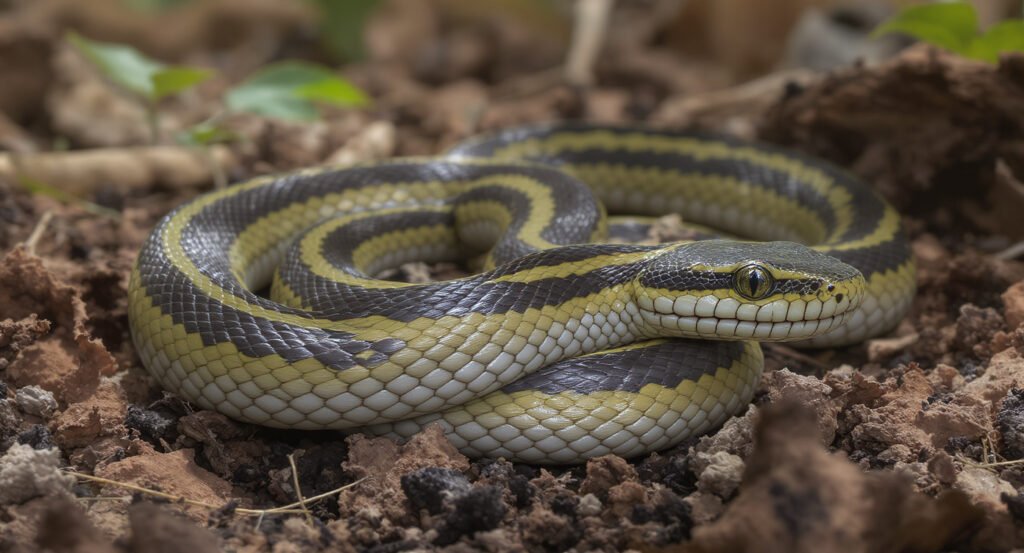
Garter snakes are among the most popular pet snakes in North America, and for good reason. These slender, active serpents are beginner-friendly, relatively low-maintenance, and fascinating to observe. Whether you’re considering your first snake or expanding your reptile collection, this comprehensive guide will walk you through everything you need to know about garter snake care.
Garter Snake Species Overview
Garter snakes (genus Thamnophis) are small to medium-sized colubrids native to North America. The most commonly kept species in captivity are:
- Common Garter Snake (Thamnophis sirtalis): The most widespread species, available in various color morphs including red-sided, blue-striped, and albino.
- Eastern Garter Snake (Thamnophis sirtalis sirtalis): A subspecies of the common garter, typically featuring three yellow stripes.
- Checkered Garter Snake (Thamnophis marcianus): Known for the checkerboard pattern between stripes.
- Plains Garter Snake (Thamnophis radix): Hardy and adaptable with bright orange or yellow stripes.
Adult garter snakes typically reach 18-26 inches in length, though some species can grow up to 4 feet. They have a lifespan of 10-15 years in captivity with proper care, making them a long-term commitment.
Enclosure Setup and Housing Requirements
Tank Size
The minimum enclosure size depends on your snake’s length:
Worried About Your Reptile's Health?
Upload a photo and get instant AI health analysis. Catch problems before they become expensive vet bills.
Get Free Health Check →- Juveniles: 10-gallon tank (20″ x 10″ x 12″)
- Adults: 20-gallon long tank minimum (30″ x 12″ x 12″), though a 40-gallon breeder (36″ x 18″ x 18″) is ideal for larger individuals
Garter snakes are active and appreciate horizontal space more than vertical height. Longer enclosures allow for proper temperature gradients and more enrichment.
Substrate Options
Safe substrate choices include:
- Aspen shavings: Excellent moisture control, easy to spot-clean, affordable
- Cypress mulch: Holds humidity well, natural appearance
- Paper-based bedding: Safe, absorbent, hypoallergenic
- Reptile carpet: Reusable, easy to clean, but less natural
Avoid: Cedar, pine (toxic oils), sand (impaction risk), and overly fine substrates that can be accidentally ingested.
Temperature and Heating
Garter snakes are temperate-climate animals that need a thermal gradient:
Never Miss Early Warning Signs
AI photo analysis catches subtle health issues humans miss 80% of the time. Early detection = healthier reptile + lower vet bills.
Start Free Trial →- Basking spot: 85-90°F (29-32°C)
- Warm side: 75-80°F (24-27°C)
- Cool side: 70-75°F (21-24°C)
- Nighttime: Can drop to 65-70°F (18-21°C)
Use an under-tank heating pad (UTH) controlled by a thermostat, or a low-wattage ceramic heat emitter for larger enclosures. Always measure temperatures with a reliable digital thermometer with probes—stick-on gauges are notoriously inaccurate.
Humidity
Maintain humidity levels around 40-60%. Garter snakes don’t require tropical humidity, but they do need adequate moisture for healthy shedding. Provide a humid hide (a hide box with damp sphagnum moss) during shedding periods. Mist the enclosure lightly 2-3 times per week, and always provide fresh water.
Lighting
While garter snakes don’t require UVB lighting like some diurnal reptiles, providing a low-level UVB bulb (2-5%) can support overall health and natural behaviors. At minimum, maintain a consistent 12-hour light/dark cycle using ambient room lighting or a simple LED fixture.
Hides and Enrichment
Provide at least two hides—one on the warm side and one on the cool side—so your snake can thermoregulate while feeling secure. Additional enrichment ideas:
Join thousands of successful reptile owners
Try ReptileCoach Free →- Branches for climbing (garter snakes are semi-arboreal)
- Cork bark tubes
- Live or artificial plants
- Rocks for basking
Water
Garter snakes are semi-aquatic and spend considerable time soaking. Provide a sturdy water dish large enough for your snake to fully submerge. Change water daily, as garter snakes frequently defecate in their water bowls.
Diet and Feeding Schedule
What Garter Snakes Eat
In the wild, garter snakes are generalist feeders. In captivity, a varied diet ensures proper nutrition:
- Primary foods: Earthworms, nightcrawlers, fish (live or frozen-thawed)
- Occasional treats: Pinkie mice (for adults), silversides, guppies, minnows
- Supplements: Dust prey with calcium powder 1-2 times per month
Important note on fish: If feeding fish regularly, use thiaminase-free species like salmon, trout, or tilapia. Goldfish and minnows contain thiaminase, an enzyme that breaks down vitamin B1. If you must feed these, supplement with vitamin B complex.
Feeding Frequency
- Hatchlings/Juveniles: Every 2-3 days
- Adults: Every 5-7 days
Portion size: Offer prey items that are roughly the same width as the snake’s body at its thickest point. Garter snakes can be enthusiastic feeders and may overeat if given the opportunity, so monitor body condition.
"This app saved my bearded dragon's life. The AI caught early MBD in photos I thought looked completely normal. Worth every penny!"
— Sarah K., ReptileCoach User
Get Your Free 7-Day Trial →Feeding Tips
- Use feeding tongs to prevent accidental bites
- Feed in the enclosure (garter snakes are not aggressive feeders and don’t typically require separate feeding containers)
- Remove uneaten food within 30 minutes to prevent spoilage
- Don’t handle for 24-48 hours after feeding to prevent regurgitation
Want to stay on top of your snake’s feeding schedule and health metrics? Track your garter snake’s care with personalized schedules designed to keep your pet thriving.
Handling and Temperament
Garter snakes are generally docile, though individual temperament varies. Newly acquired snakes may be defensive, releasing musk or attempting to bite when first handled. With regular, gentle handling (2-3 times per week for 10-15 minutes), most garter snakes become calm and tolerant.
Handling Tips
- Wash hands before handling (to remove food scents) and after
- Support the snake’s body—never grab or restrain tightly
- Move slowly and confidently; quick movements startle them
- Allow new snakes 5-7 days to settle before first handling
- Avoid handling during shedding or immediately after feeding
Garter snake bites are harmless to humans, though they can produce mild saliva that may cause minor irritation in sensitive individuals.
Common Health Issues and Prevention
Shedding Problems (Dysecdysis)
Causes: Low humidity, dehydration, parasites, or skin infections
Prevention: Maintain proper humidity, provide a humid hide, ensure adequate hydration
Treatment: Soak snake in lukewarm water for 10-15 minutes, gently assist with stuck shed using a damp cloth
Worried About Your Reptile's Health?
Upload a photo and get instant AI health analysis. Catch problems before they become expensive vet bills.
Get Free Health Check →Respiratory Infections
Signs: Wheezing, mucus around nostrils/mouth, open-mouth breathing, lethargy
Causes: Low temperatures, poor ventilation, high humidity
Treatment: Requires veterinary attention—antibiotics are typically necessary
Parasites
Types: Internal (worms, protozoans) and external (mites, ticks)
Signs: Weight loss, regurgitation, visible parasites, lethargy
Prevention: Quarantine new snakes, maintain cleanliness, avoid wild-caught prey
Treatment: Veterinary diagnosis and appropriate medication
Mouth Rot (Stomatitis)
Signs: Redness, swelling, or discharge around the mouth; difficulty eating
Causes: Bacterial infection, often secondary to injury or stress
Treatment: Veterinary care—requires antibiotics and sometimes manual cleaning
Obesity
Causes: Overfeeding, lack of exercise space, high-fat diet
Prevention: Follow appropriate feeding schedules, provide adequate enclosure space, monitor body condition
Treatment: Reduce feeding frequency, increase prey variety
Never Miss Early Warning Signs
AI photo analysis catches subtle health issues humans miss 80% of the time. Early detection = healthier reptile + lower vet bills.
Start Free Trial →Common Beginner Mistakes to Avoid
1. Inadequate Temperature Gradient
Without proper hot and cool zones, your snake cannot thermoregulate, leading to digestive issues and stress. Always use a thermostat to prevent overheating.
2. Feeding Only Fish
While garter snakes love fish, a fish-only diet can lead to nutritional deficiencies (especially thiamine deficiency). Rotate with earthworms and occasionally offer pinkie mice.
3. Ignoring Water Quality
Dirty water bowls are breeding grounds for bacteria. Clean and refill daily, especially after your snake has soaked or defecated in the water.
4. Cohabitation Without Research
While garter snakes are sometimes housed together in the wild, cohabitation in captivity can lead to stress, competition for resources, and disease transmission. House individually unless you’re an experienced keeper.
Join thousands of successful reptile owners
Try ReptileCoach Free →5. Using Improper Substrate
Cedar, pine, and sand can cause respiratory issues or impaction. Choose safe, appropriate substrates and avoid overly dry or wet conditions.
6. Handling Too Soon or Too Much
Give new snakes time to settle in. Excessive handling causes stress, which can lead to feeding refusal and health problems.
7. Neglecting Water Quality
Garter snakes spend considerable time in water. Dirty water bowls can harbor bacteria and lead to skin infections. Change water daily and clean the bowl regularly.
Final Thoughts
Garter snakes make excellent pets for reptile enthusiasts of all experience levels. Their manageable size, interesting behaviors, and relatively simple care requirements make them ideal for beginners, while their active nature and variety of color morphs keep experienced keepers engaged.
"This app saved my bearded dragon's life. The AI caught early MBD in photos I thought looked completely normal. Worth every penny!"
— Sarah K., ReptileCoach User
Get Your Free 7-Day Trial →Success with garter snakes comes down to proper environmental setup, consistent feeding, and attentive observation. By following this guide and avoiding common mistakes, you’ll provide your garter snake with a long, healthy life. Remember that each snake has its own personality—some are bold and curious, while others remain shy. Patience and consistency are key to building trust with your new companion.
Ready to become the best garter snake keeper possible? Your snake’s health depends on consistent care routines and accurate record-keeping. Start tracking your snake’s care with confidence today.
Ready to Give Your Reptile the Best Care?
Stop guessing and start knowing. Get personalized AI-powered care guidance, photo health analysis, and 24/7 expert advice for YOUR specific reptile.
Get Personalized Care Guidance
AI-powered photo analysis and daily care tracking for YOUR reptile
Try Free for 7 Days →