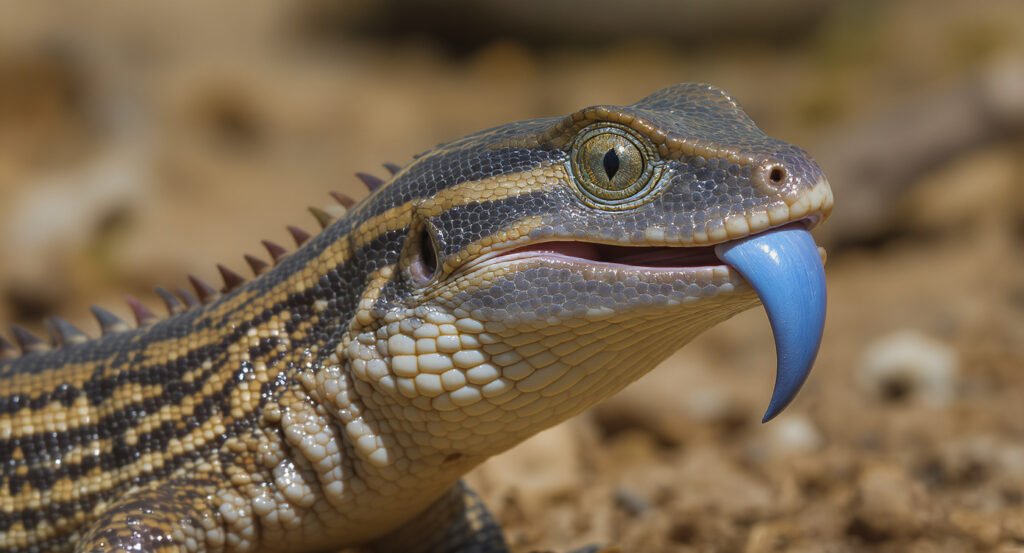
Blue-tongued skinks are typically enthusiastic eaters, so when your beloved reptile suddenly refuses food, it’s natural to feel concerned. Loss of appetite in blue-tongues can stem from various causes, ranging from simple environmental issues to serious health problems. This comprehensive guide will help you identify why your skink isn’t eating and what steps you can take to resolve the issue.
Common Reasons Why Blue-Tongued Skinks Stop Eating
1. Incorrect Temperature and Lighting
Temperature is the most common culprit behind appetite loss in blue-tongued skinks. These reptiles are ectothermic, meaning they rely on external heat sources to regulate their metabolism and digestion.
- Basking spot too cool: Blue-tongues need a basking area of 95-100°F (35-38°C). If the temperature drops below this range, their digestive system slows down, and they’ll refuse food to avoid digestive complications.
- Ambient temperature issues: The cool side should be 75-82°F (24-28°C). Without proper thermal gradient, skinks cannot thermoregulate effectively.
- Insufficient UVB: Inadequate UVB lighting affects vitamin D3 synthesis, calcium metabolism, and overall health, potentially leading to appetite suppression.
Solution: Use reliable digital thermometers with probes to verify temperatures at multiple points in the enclosure. Replace UVB bulbs every 6-12 months even if they still produce visible light, as UV output degrades over time.
2. Environmental Stress
Blue-tongued skinks are sensitive to changes in their environment and routine. Stress can quickly suppress their appetite.
Worried About Your Reptile's Health?
Upload a photo and get instant AI health analysis. Catch problems before they become expensive vet bills.
Get Free Health Check →- Recent relocation or enclosure changes
- Excessive handling, especially for new or young skinks
- Lack of hiding spots creating a sense of vulnerability
- Loud noises or vibrations near the enclosure
- Presence of other pets or perceived threats
- Incorrect substrate causing discomfort
Solution: Minimize handling to 2-3 times per week for 10-15 minutes. Ensure your skink has at least two hiding spots (one on the warm side, one on the cool side). Place the enclosure in a quiet area away from high-traffic zones. Give newly acquired skinks 1-2 weeks to acclimate before expecting normal eating patterns.
3. Shedding Cycle
Many blue-tongued skinks reduce or stop eating in the days leading up to a shed. This is completely normal behavior.
Signs your skink is preparing to shed:
- Dull, cloudy skin appearance
- Milky or bluish eyes
- Increased hiding behavior
- Reduced activity levels
Solution: This is not a cause for concern unless the inappetence continues for more than 5-7 days after the shed completes. Ensure humidity levels are appropriate (40-60%) to facilitate a healthy shed. Offer food again 1-2 days after shedding is complete.
Never Miss Early Warning Signs
AI photo analysis catches subtle health issues humans miss 80% of the time. Early detection = healthier reptile + lower vet bills.
Start Free Trial →4. Seasonal and Brumation Behavior
Blue-tongued skinks from regions with distinct seasons may experience reduced appetite during winter months, even in captivity. Some individuals enter a period of dormancy called brumation.
During brumation, metabolism slows dramatically, and skinks may eat little to nothing for weeks or months. This typically occurs from late fall through early spring and is triggered by decreasing photoperiod and temperature changes.
Solution: If your skink is otherwise healthy, active on warmer days, maintaining weight, and this occurs seasonally, it may be natural brumation behavior. Reduce feeding frequency to match their appetite, but continue offering food weekly. Maintain water availability. If you’re uncertain whether this is normal brumation or illness, consult a reptile veterinarian.
5. Illness and Parasites
Various health conditions can cause appetite loss in blue-tongued skinks:
Join thousands of successful reptile owners
Try ReptileCoach Free →- Respiratory infections: Often accompanied by mucus around the nose/mouth, wheezing, or open-mouth breathing
- Metabolic bone disease (MBD): Results from calcium/vitamin D3 deficiency, causing weakness and lethargy
- Impaction: Blockage from substrate ingestion or large prey items
- Internal parasites: Can cause weight loss, lethargy, and appetite changes
- Mouth rot (stomatitis): Painful oral infection making eating difficult
- Organ dysfunction: Kidney or liver problems affect appetite
Solution: If appetite loss is accompanied by other symptoms (lethargy, weight loss, abnormal feces, discharge, swelling, difficulty moving), veterinary attention is essential. Do not attempt to treat serious illnesses at home.
Diagnostic Steps: What to Check First
When your blue-tongued skink stops eating, follow this systematic approach:
- Verify temperatures: Check basking spot, warm side ambient, and cool side temperatures with accurate thermometers
- Assess UVB: Confirm your UVB bulb is appropriate strength (typically 10-12% for blue-tongues) and replaced on schedule
- Examine your skink: Look for signs of shedding, injury, swelling, discharge, or abnormal coloration
- Review recent changes: New enclosure, substrate, décor, or routine changes within the past 2-3 weeks
- Check fecal output: Abnormal consistency, color, or presence of undigested food or blood
- Monitor weight: Weigh weekly to detect significant loss (more than 5-10% body weight)
- Observe behavior: Activity level, basking patterns, hiding frequency
Solutions and Action Steps
For temperature-related issues: Adjust heat sources immediately. Use higher wattage bulbs or add secondary heat sources if needed. Verify with multiple thermometers.
For stress-related issues: Reduce handling, add hiding spots, ensure proper enclosure security, and give time to adjust (1-2 weeks minimum).
"This app saved my bearded dragon's life. The AI caught early MBD in photos I thought looked completely normal. Worth every penny!"
— Sarah K., ReptileCoach User
Get Your Free 7-Day Trial →For picky eaters: Try variety in diet. Blue-tongues enjoy diverse foods including snails, insects, vegetables, berries, and specially formulated diets. Offer food at peak activity times (usually morning after basking).
For dehydration: Ensure clean water is always available. Offer a shallow soaking dish. Some skinks prefer drinking from water droplets; mist the enclosure lightly.
Consider using AI-powered reptile care tracking tools to monitor feeding patterns, weight changes, and environmental parameters over time. Detailed records help identify subtle patterns and make veterinary consultations more productive.
When to See a Reptile Veterinarian
Seek professional veterinary care if:
Worried About Your Reptile's Health?
Upload a photo and get instant AI health analysis. Catch problems before they become expensive vet bills.
Get Free Health Check →- Your skink hasn’t eaten for more than 2-3 weeks (outside of brumation season)
- Noticeable weight loss (>10% body weight)
- Lethargy or unresponsiveness
- Abnormal feces (bloody, very runny, or containing undigested food)
- Visible injuries, swelling, or lumps
- Respiratory symptoms (wheezing, mucus, labored breathing)
- Mouth rot or visible oral abnormalities
- Inability to move normally or use limbs
- Regurgitation after eating
Do not wait if multiple symptoms are present. Early intervention significantly improves treatment outcomes.
Prevention: Keeping Your Blue-Tongue Eating Well
Preventing appetite problems is easier than treating them. Follow these best practices:
- Maintain consistent temperatures: Use thermostats and backup heating where possible
- Replace UVB bulbs on schedule: Every 6-12 months depending on manufacturer specifications
- Offer varied diet: Rotate protein sources and vegetables to provide nutritional diversity and prevent boredom
- Establish routine: Feed at similar times on consistent days
- Monitor closely: Keep feeding and weight logs to catch changes early
- Annual vet check-ups: Preventive care catches problems before they become serious
- Quarantine new reptiles: Prevent disease transmission if you have multiple animals
- Proper supplementation: Dust food with calcium and vitamin supplements as appropriate for your skink’s age and diet
Conclusion
Loss of appetite in blue-tongued skinks is concerning but often solvable. Most cases stem from correctable husbandry issues, particularly temperature problems. By systematically checking environmental parameters, observing for health symptoms, and making appropriate adjustments, you can usually identify and resolve the issue. When in doubt, consult a qualified reptile veterinarian—early intervention is always better than waiting until a minor problem becomes a major health crisis. With proper care, attention to detail, and consistent monitoring, your blue-tongued skink should return to enthusiastic eating and continue thriving for years to come.
Ready to Give Your Reptile the Best Care?
Stop guessing and start knowing. Get personalized AI-powered care guidance, photo health analysis, and 24/7 expert advice for YOUR specific reptile.
Get Personalized Care Guidance
AI-powered photo analysis and daily care tracking for YOUR reptile
Try Free for 7 Days →