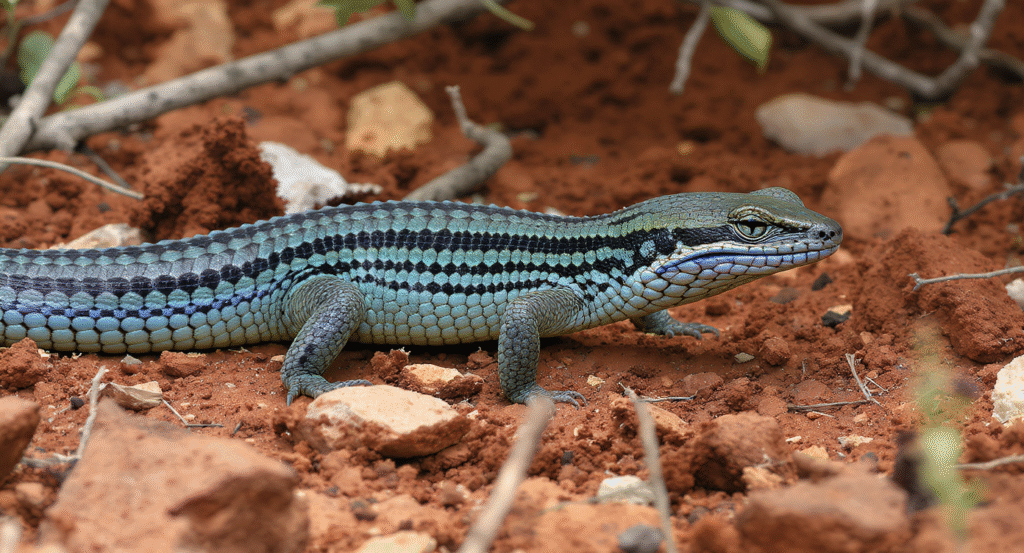
When your blue-tongued skink refuses food, it’s natural to feel concerned. These typically voracious lizards are known for their hearty appetites, so a loss of interest in food often signals that something needs attention. While occasional fasting is normal, prolonged appetite loss requires investigation.
In this comprehensive guide, we’ll explore the most common reasons why blue-tongued skinks stop eating and provide practical solutions to help your scaly companion regain their appetite.
Understanding Normal Eating Patterns in Blue-Tongued Skinks
Before diving into problems, it’s important to understand what’s normal. Adult blue-tongued skinks typically eat 2-3 times per week, while juveniles may eat daily. Seasonal variations are common, with decreased appetite during cooler months being perfectly natural. A healthy skink might also fast for a few days without concern.
However, if your blue-tongued skink hasn’t eaten for more than two weeks (or one week for juveniles), it’s time to investigate potential causes.
Worried About Your Reptile's Health?
Upload a photo and get instant AI health analysis. Catch problems before they become expensive vet bills.
Get Free Health Check →1. Incorrect Temperature and Lighting
Temperature is the most common culprit behind appetite loss in blue-tongued skinks. These reptiles are ectothermic, meaning they rely on external heat sources to regulate their metabolism and digestion.
Ideal temperature requirements:
- Basking spot: 95-100°F (35-38°C)
- Cool side: 75-82°F (24-28°C)
- Nighttime: 70-75°F (21-24°C)
Without adequate heat, your skink cannot properly digest food, leading to appetite suppression. Check your thermometers (use digital probe thermometers for accuracy) and ensure your basking bulb provides sufficient warmth. UVB lighting is also crucial for calcium metabolism and overall health, which indirectly affects appetite.
2. Stress and Environmental Changes
Blue-tongued skinks are sensitive to changes in their environment. Recent relocations, new enclosure setups, or changes in household activity can cause stress-induced fasting.
Never Miss Early Warning Signs
AI photo analysis catches subtle health issues humans miss 80% of the time. Early detection = healthier reptile + lower vet bills.
Start Free Trial →Common stressors include:
- New enclosure or recent habitat modifications
- Excessive handling, especially for new pets
- Lack of hiding spots or security
- Loud noises or vibrations near the enclosure
- Presence of other pets or perceived predators
Give your skink time to acclimate—typically 5-7 days after any major change. Ensure they have at least two hiding spots (one on the warm side, one on the cool side) and minimize handling during adjustment periods.
3. Brumation (Seasonal Dormancy)
Blue-tongued skinks may undergo brumation, a reptilian form of hibernation, particularly during fall and winter months. This is a natural process where metabolism slows dramatically, and appetite decreases or disappears entirely.
Signs of brumation include:
Join thousands of successful reptile owners
Try ReptileCoach Free →- Decreased activity levels
- Spending more time hiding
- Reduced appetite or complete fasting
- More frequent sleeping
If your skink is otherwise healthy and these changes occur during cooler months, brumation is likely normal. Continue offering food weekly, maintain proper temperatures, and ensure fresh water is always available.
4. Improper Humidity Levels
While blue-tongued skinks don’t require extremely high humidity, levels that are too low can cause dehydration and respiratory discomfort, both of which suppress appetite. Aim for 40-60% humidity, with slightly higher levels during shedding.
Provide a humid hide filled with moist sphagnum moss, and mist one side of the enclosure lightly every few days. A hygrometer will help you monitor humidity accurately.
5. Shedding Cycle
Many blue-tongued skinks reduce or stop eating in the days leading up to a shed. This is completely normal behavior. You’ll notice their skin becoming dull and their eyes appearing cloudy or blue.
"This app saved my bearded dragon's life. The AI caught early MBD in photos I thought looked completely normal. Worth every penny!"
— Sarah K., ReptileCoach User
Get Your Free 7-Day Trial →During this time, increase humidity slightly and ensure your skink has access to rough surfaces for rubbing off old skin. Appetite typically returns within a day or two after completing the shed.
Managing your blue-tongued skink’s feeding schedule, temperature logs, and health observations is easier with the right tools. Try the Reptile Coach app to monitor feeding patterns, set reminders, and identify potential health issues before they become serious problems.
6. Illness or Parasites
Prolonged appetite loss accompanied by other symptoms may indicate illness. Internal parasites, respiratory infections, and metabolic bone disease can all cause food refusal.
Warning signs requiring veterinary attention:
Worried About Your Reptile's Health?
Upload a photo and get instant AI health analysis. Catch problems before they become expensive vet bills.
Get Free Health Check →- Weight loss or visible spine/hip bones
- Lethargy beyond normal brumation behavior
- Mucus around the nose or mouth
- Wheezing or open-mouth breathing
- Abnormal feces or lack of bowel movements
- Swollen limbs or jaw
If you observe any of these symptoms, consult a reptile veterinarian promptly. Many conditions are highly treatable when caught early.
7. Dietary Issues and Food Preferences
Sometimes blue-tongued skinks simply become bored with their diet or develop strong preferences. These omnivores need variety to maintain interest in food.
Try rotating between:
- Protein sources: snails, insects (dubia roaches, crickets), cooked chicken, hard-boiled eggs
- Vegetables: collard greens, squash, bell peppers, green beans
- Fruits (occasional treats): berries, mango, figs
Avoid feeding the same meal repeatedly. Some skinks also prefer food at specific temperatures—try warming food slightly to enhance aroma.
Never Miss Early Warning Signs
AI photo analysis catches subtle health issues humans miss 80% of the time. Early detection = healthier reptile + lower vet bills.
Start Free Trial →8. Impaction or Digestive Blockage
Impaction occurs when indigestible material blocks the digestive tract, causing pain and appetite loss. This often results from ingesting substrate (loose particles like sand or small bark chips) or consuming prey that’s too large.
Prevention is key: use safe substrates like reptile carpet, tile, or paper-based bedding. Ensure food items are appropriately sized—nothing larger than the space between your skink’s eyes.
If you suspect impaction, provide warm soaks (85°F water, 15-20 minutes) and consult a veterinarian if your skink hasn’t defecated in over two weeks.
9. Reproductive Behavior
Female blue-tongued skinks may refuse food when gravid (pregnant) or preparing to lay eggs. Males may also eat less during breeding season due to hormonal changes.
Join thousands of successful reptile owners
Try ReptileCoach Free →If you have a female showing signs of pregnancy (weight gain in the abdomen, restlessness, digging behavior), reduced appetite is expected. Provide extra calcium supplementation and a lay box with moist substrate.
10. Age-Related Changes
Very young skinks and elderly individuals may have different eating patterns. Hatchlings require daily feeding but may be intimidated by large food items. Senior skinks may naturally eat less as their metabolism slows.
Adjust portion sizes and feeding frequency based on your skink’s life stage, and consider softer foods for older individuals with dental wear.
When to See a Veterinarian
While many appetite issues resolve with husbandry adjustments, certain situations require professional help:
"This app saved my bearded dragon's life. The AI caught early MBD in photos I thought looked completely normal. Worth every penny!"
— Sarah K., ReptileCoach User
Get Your Free 7-Day Trial →- No food intake for more than 3 weeks (adults) or 1 week (juveniles)
- Visible weight loss or body condition decline
- Accompanying symptoms like lethargy, discharge, or abnormal behavior
- Suspected impaction or injury
- No improvement after correcting husbandry issues
Encouraging Your Blue-Tongued Skink to Eat
Once you’ve addressed potential underlying causes, try these techniques to stimulate appetite:
Offer food at optimal times: Present meals during your skink’s most active periods, typically morning after basking.
Use movement: Wiggle food with tongs to trigger hunting instincts.
Try different textures: Some skinks prefer mushed or chopped food, while others like whole items.
Worried About Your Reptile's Health?
Upload a photo and get instant AI health analysis. Catch problems before they become expensive vet bills.
Get Free Health Check →Enhance aroma: Slightly warming food or adding a small amount of fruit juice can make meals more appealing.
Reduce stress: Feed in a quiet environment and avoid handling immediately before or after meals.
Conclusion
A blue-tongued skink refusing food is usually responding to environmental conditions, seasonal changes, or temporary stress rather than serious illness. By systematically checking temperature, lighting, humidity, and other husbandry factors, you can typically identify and resolve the issue.
Remember that patience is essential—forcing food or causing additional stress will only worsen the problem. Monitor your skink’s overall condition, maintain optimal habitat parameters, and don’t hesitate to seek veterinary care if appetite loss persists or is accompanied by concerning symptoms.
Never Miss Early Warning Signs
AI photo analysis catches subtle health issues humans miss 80% of the time. Early detection = healthier reptile + lower vet bills.
Start Free Trial →With proper care and attention, your blue-tongued skink will likely return to their normal, enthusiastic eating habits, ready to enjoy their varied and nutritious diet once again.
Ready to Give Your Reptile the Best Care?
Stop guessing and start knowing. Get personalized AI-powered care guidance, photo health analysis, and 24/7 expert advice for YOUR specific reptile.
Get Personalized Care Guidance
AI-powered photo analysis and daily care tracking for YOUR reptile
Try Free for 7 Days →