
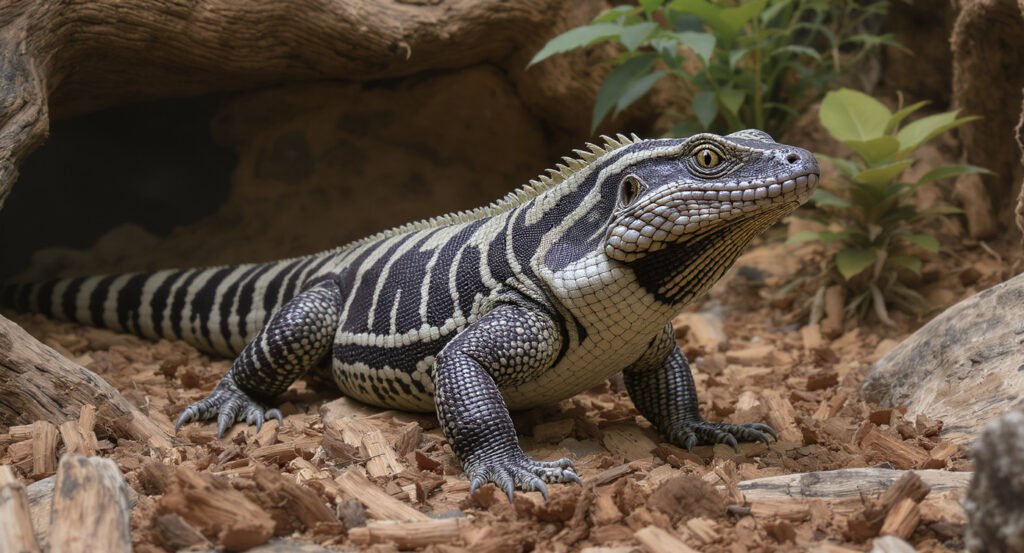
Tegus are intelligent, personable lizards that make fascinating pets for dedicated reptile keepers. These large South American lizards can grow up to 4 feet long and live 15-20 years with proper care. This comprehensive tegu care guide will walk you through everything beginners need to know about tegu lizard care, from housing requirements to diet and handling.
Understanding Tegu Species
Before diving into how to care for a tegu, it’s important to know which species you’re working with. The most common pet tegus are Argentine Black and White Tegus and Red Tegus. Both species have similar care requirements but differ slightly in temperament and size. Argentine tegus tend to be larger and more docile, while red tegus are slightly smaller but equally intelligent.
Housing Requirements for Your Tegu
Proper housing is the foundation of good tegu lizard care. Adult tegus need substantial space to thrive.
Enclosure Size
- Hatchlings: Start with a 40-gallon enclosure
- Juveniles: Upgrade to at least 75-100 gallons
- Adults: Minimum 8x4x4 feet enclosure or dedicated reptile room
- Custom enclosures work best for adult tegus due to their size
Temperature and Lighting
Tegus are ectothermic and require proper temperature gradients to regulate their body temperature effectively.
Worried About Your Reptile's Health?
Upload a photo and get instant AI health analysis. Catch problems before they become expensive vet bills.
Get Free Health Check →- Basking spot: 100-110°F
- Cool side: 75-80°F
- Nighttime: Can drop to 70-75°F
- UVB lighting: 10-12% UVB bulb running 12 hours daily
- Replace UVB bulbs every 6-12 months even if still producing visible light
Substrate Options
Choosing the right substrate is crucial for your tegu’s health and natural behaviors:
- Cypress mulch: Excellent for humidity retention
- Coconut coir: Natural and holds moisture well
- Topsoil/sand mix: Allows natural burrowing behavior
- Avoid: Cedar, pine, or any aromatic woods that can cause respiratory issues
Provide at least 6-8 inches of substrate depth to allow your tegu to burrow, which is a natural behavior important for their mental health.
Tegu Diet and Nutrition
A balanced diet is essential in any tegu care guide. Tegus are omnivores with changing dietary needs as they mature.
Juvenile Tegu Diet (0-2 years)
- 70% protein: Insects, ground turkey, chicken, eggs, fish
- 30% fruits and vegetables: Berries, squash, leafy greens
- Feed daily or every other day
- Dust insects with calcium powder 3-4 times weekly
Adult Tegu Diet (2+ years)
- 50% protein: Whole prey items, eggs, lean meats, fish
- 50% fruits and vegetables: Variety is key
- Feed 2-3 times weekly
- Calcium supplementation 1-2 times weekly
Foods to Avoid
- Avocado (toxic to reptiles)
- Rhubarb
- High-fat meats
- Processed foods
- Insects caught in the wild (pesticide risk)
Humidity and Hydration
Maintaining proper humidity is a critical aspect of tegu lizard care that beginners often overlook.
Never Miss Early Warning Signs
AI photo analysis catches subtle health issues humans miss 80% of the time. Early detection = healthier reptile + lower vet bills.
Start Free Trial →- Humidity levels: 60-80%
- Provide a large water dish for soaking
- Mist enclosure daily if humidity drops
- Monitor with a reliable hygrometer
- Proper humidity prevents shedding issues and respiratory problems
Handling and Socialization
One of the most rewarding aspects of learning how to care for a tegu is building a relationship with these intelligent lizards.
Taming Your Tegu
- Start handling sessions short (5-10 minutes) and gradually increase
- Handle 3-4 times weekly once acclimated
- Support their entire body when lifting
- Never grab by the tail
- Watch for stress signals: hissing, tail whipping, or attempting to flee
Tegus can become very tame with consistent, gentle handling. Many owners report their tegus recognizing them and even seeking interaction. However, respect your tegu’s boundaries—they’re not domesticated animals and will have days when they prefer to be left alone.
Brumation: The Tegu Winter Rest
An important part of any complete tegu care guide is understanding brumation, a hibernation-like state that tegus naturally undergo.
- Typically occurs in late fall/winter
- Tegus may sleep for weeks or months
- Reduce feeding as they become less active
- Lower temperatures slightly (70-75°F)
- Provide a secure, dark hide box
- Check weekly but minimize disturbance
- Not all captive tegus brumate, especially in consistently warm environments
Health Monitoring and Veterinary Care
Regular health checks are essential for long-term tegu lizard care success.
Join thousands of successful reptile owners
Try ReptileCoach Free →Signs of a Healthy Tegu
- Clear, bright eyes
- Active and alert behavior
- Healthy appetite
- Regular bowel movements
- Clean shedding without retained skin
Common Health Issues
- Metabolic bone disease (from inadequate UVB or calcium)
- Respiratory infections (from improper temperatures or humidity)
- Parasites (regular fecal exams recommended)
- Obesity (from overfeeding)
Find a reptile veterinarian before you need one. Annual check-ups help catch problems early.
Cost Considerations
Understanding the financial commitment is part of responsible tegu care:
- Initial setup: $500-1,500
- Monthly food costs: $50-100
- Electricity for heating/lighting: $30-60 monthly
- Veterinary care: $100-300 annually (more if issues arise)
- Substrate replacement: $20-40 monthly
Is a Tegu Right for You?
Before committing to tegu lizard care, honestly assess whether you can provide:
- Adequate space for a large enclosure
- 15-20 year commitment
- Time for daily care and regular handling
- Financial resources for setup and ongoing costs
- Access to appropriate veterinary care
Tegus are not beginner reptiles in the traditional sense, but with dedication and proper research, first-time tegu owners can succeed.
"This app saved my bearded dragon's life. The AI caught early MBD in photos I thought looked completely normal. Worth every penny!"
— Sarah K., ReptileCoach User
Get Your Free 7-Day Trial →Start Your Tegu Care Journey Right
Caring for a tegu is a rewarding experience that requires commitment, knowledge, and consistency. This tegu care guide covers the essentials, but continued learning is important as you get to know your individual tegu’s personality and preferences. Track feeding schedules, monitor growth, and stay organized with your tegu’s care routine. Ready to simplify your reptile care management? Manage your tegu care with ReptileCoach and ensure your scaly friend gets the best care possible with easy tracking tools, reminders, and expert guidance all in one place.
Ready to Give Your Reptile the Best Care?
Stop guessing and start knowing. Get personalized AI-powered care guidance, photo health analysis, and 24/7 expert advice for YOUR specific reptile.
Get Personalized Care Guidance
AI-powered photo analysis and daily care tracking for YOUR reptile
Try Free for 7 Days →