
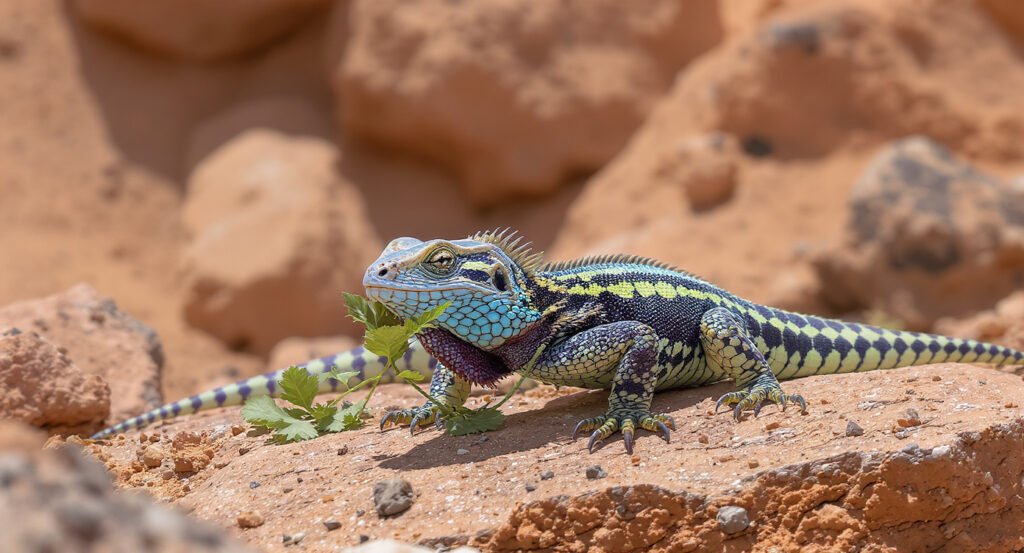
Understanding the Uromastyx Diet: Essential Nutrition for Your Desert Lizard
Uromastyx lizards are fascinating herbivorous reptiles that require a specialized diet to thrive in captivity. Unlike many other popular pet lizards, these desert dwellers have unique nutritional needs that closely mirror their natural habitat. Understanding what do uromastyx eat is crucial for maintaining their health, vibrant coloration, and longevity.
In the wild, uromastyx species inhabit arid regions across North Africa and the Middle East, where they’ve evolved to consume a primarily plant-based diet. This guide will provide you with a comprehensive uromastyx food list and expert care tips to ensure your pet receives optimal nutrition.
What Do Uromastyx Eat? The Foundation of Their Diet
The uromastyx diet consists almost entirely of plant matter, with adults being strict herbivores. Their digestive system is specifically adapted to break down fibrous plant material, making them one of the few truly vegetarian lizard species commonly kept as pets.
Primary Food Categories
- Leafy Greens: The cornerstone of any healthy uromastyx diet, comprising 70-80% of daily intake
- Vegetables: Supplementary nutrition providing variety and additional nutrients (15-20%)
- Seeds and Lentils: Occasional protein sources and enrichment (5-10%)
- Flowers: Natural treats that provide vitamins and foraging enrichment
Complete Uromastyx Food List: Safe and Nutritious Options
Best Leafy Greens for Uromastyx
These greens should form the bulk of your uromastyx diet plan:
Worried About Your Reptile's Health?
Upload a photo and get instant AI health analysis. Catch problems before they become expensive vet bills.
Get Free Health Check →- Dandelion greens (excellent calcium source)
- Collard greens
- Turnip greens
- Mustard greens
- Endive and escarole
- Arugula (rocket)
- Watercress
- Chicory
- Radicchio
- Spring mix (without spinach)
Recommended Vegetables
Rotate these vegetables to provide dietary variety:
- Butternut squash (grated or finely chopped)
- Yellow squash
- Zucchini
- Bell peppers (all colors)
- Okra
- Green beans
- Snap peas
- Carrots (occasionally, grated)
- Cactus pads (nopales)
Seeds and Lentils (Feed Sparingly)
Offer these 1-2 times per week as protein supplements:
- Dried lentils (red, green, or brown)
- Millet
- Grass seeds
- Bird seed mixes (without sunflower seeds)
- Bee pollen (small amounts)
Edible Flowers
These provide natural enrichment and nutrition:
- Hibiscus flowers
- Rose petals (pesticide-free)
- Dandelion flowers
- Nasturtium
- Pansies
- Clover flowers
Foods to Avoid in Your Uromastyx Diet
Certain foods can be harmful or provide poor nutrition for uromastyx lizards. Avoid these items:
Never Miss Early Warning Signs
AI photo analysis catches subtle health issues humans miss 80% of the time. Early detection = healthier reptile + lower vet bills.
Start Free Trial →- Spinach and kale: High in oxalates that bind calcium
- Lettuce (iceberg, romaine): Low nutritional value, high water content
- Cabbage and broccoli: Goitrogens that interfere with thyroid function
- Fruits: Too high in sugar; can cause digestive issues
- Animal protein: Insects, meat, or eggs (except for hatchlings under 6 months)
- Avocado: Toxic to reptiles
- Rhubarb: Contains toxic compounds
Feeding Schedule and Portion Sizes
Daily Feeding Routine
Adult uromastyx should be fed once daily, preferably in the morning after they’ve had time to bask and raise their body temperature. Juveniles (under 1 year) may be fed twice daily to support growth.
Portion guidelines:
- Offer a salad bowl approximately the size of your uromastyx’s body length
- Remove uneaten food after 12 hours to prevent spoilage
- Adjust portions based on your lizard’s appetite and body condition
Preparation Tips
Proper food preparation enhances digestibility and nutrition:
- Chop greens and vegetables into bite-sized pieces (smaller for juveniles)
- Mix different greens together to encourage variety
- Lightly dust food with calcium powder 3-4 times per week
- Provide a multivitamin supplement once weekly
- Ensure all produce is thoroughly washed and pesticide-free
Hydration Needs
While uromastyx obtain most moisture from their food, proper hydration is still important:
Join thousands of successful reptile owners
Try ReptileCoach Free →- Provide a shallow water dish, though many uromastyx rarely drink
- Lightly mist greens before serving to increase moisture content
- Offer a shallow bath once weekly for 10-15 minutes
- Monitor for signs of dehydration (sunken eyes, wrinkled skin)
Special Dietary Considerations
Juvenile Uromastyx Diet
Hatchlings and juveniles (under 6 months) have slightly different nutritional needs. They may benefit from occasional small insects like pinhead crickets or small dubia roaches 1-2 times per week to support rapid growth. However, transition them to a fully herbivorous diet by 6 months of age.
Calcium and Vitamin Supplementation
Proper supplementation prevents metabolic bone disease and other health issues:
- Calcium powder (without D3): Dust food 3-4 times weekly
- Calcium with D3: Once weekly if UVB lighting is inadequate
- Multivitamin: Once weekly
- Rotate supplement brands every few months for balanced nutrition
Common Uromastyx Diet Mistakes to Avoid
Even experienced keepers can make these dietary errors:
- Over-reliance on one type of green: Variety prevents nutritional deficiencies
- Feeding too many seeds: Can lead to obesity and fatty liver disease
- Inadequate calcium supplementation: Results in metabolic bone disease
- Offering fruit regularly: High sugar content disrupts gut flora
- Inconsistent feeding schedule: Disrupts digestion and metabolism
Monitoring Your Uromastyx’s Health Through Diet
A proper uromastyx diet directly impacts your pet’s overall health. Watch for these positive indicators:
"This app saved my bearded dragon's life. The AI caught early MBD in photos I thought looked completely normal. Worth every penny!"
— Sarah K., ReptileCoach User
Get Your Free 7-Day Trial →- Bright, vibrant coloration
- Consistent appetite
- Regular, well-formed droppings
- Active behavior during daylight hours
- Healthy body weight (visible hip bones but not protruding)
Signs of dietary problems include lethargy, weight loss, soft or runny stools, loss of appetite, or dull coloration. Consult a reptile veterinarian if you notice these symptoms.
Take Control of Your Uromastyx’s Nutrition
Maintaining a proper uromastyx diet requires consistency, variety, and attention to detail. By following this comprehensive food list and feeding guidelines, you’ll provide your desert lizard with the nutrition needed for a long, healthy life.
Managing your uromastyx’s dietary needs has never been easier. Track your uromastyx diet with ReptileCoach, the comprehensive reptile care app that helps you log feedings, schedule supplements, monitor weight trends, and receive personalized care reminders. Join thousands of reptile keepers who trust ReptileCoach to optimize their pet’s health and nutrition.
Ready to Give Your Reptile the Best Care?
Stop guessing and start knowing. Get personalized AI-powered care guidance, photo health analysis, and 24/7 expert advice for YOUR specific reptile.
Get Personalized Care Guidance
AI-powered photo analysis and daily care tracking for YOUR reptile
Try Free for 7 Days →