Why Your Blue-Tongued Skink Stopped Eating
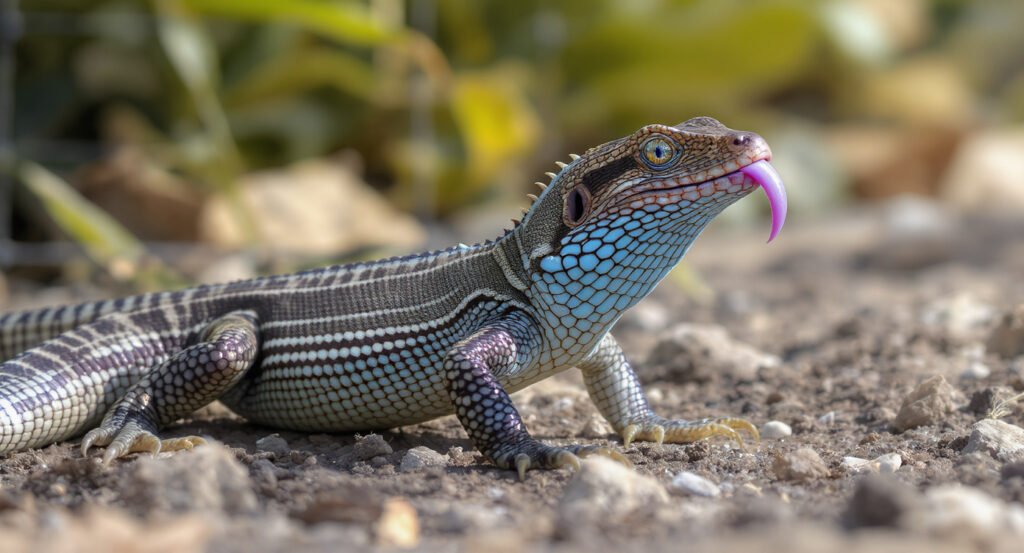
Blue-tongued skinks are typically enthusiastic eaters, so when your pet suddenly refuses food, it’s natural to feel concerned. Loss of appetite in these popular reptiles can stem from various causes—some simple to fix, others requiring veterinary attention. Understanding the underlying reasons and knowing how to respond can make all the difference in getting your skink back to its healthy, food-loving self.
Common Reasons Blue-Tongued Skinks Refuse Food
1. Incorrect Temperature Gradients
Blue-tongued skinks are ectothermic, meaning they rely on external heat sources to regulate body temperature and digestive function. If your enclosure’s basking spot isn’t reaching 95-100°F (35-38°C) or the cool side drops below 75°F (24°C), your skink’s metabolism slows dramatically. Without adequate warmth, they physically cannot digest food properly, triggering a natural refusal to eat.
Check your thermometers—use digital probe thermometers rather than analog stick-ons for accuracy. Ensure your heat source is appropriate and functional. A malfunctioning bulb or heat mat can create suboptimal conditions within hours.
2. Seasonal Brumation Behavior
In late fall and winter, many blue-tongued skinks naturally reduce their food intake or stop eating entirely as they enter brumation—a reptile version of hibernation. This is particularly common in skinks that experience seasonal lighting changes or temperature fluctuations.
Worried About Your Reptile's Health?
Upload a photo and get instant AI health analysis. Catch problems before they become expensive vet bills.
Get Free Health Check →If your skink is otherwise healthy, active when handled, and shows no signs of illness, reduced appetite during cooler months may be completely normal. Monitor their weight and behavior, but don’t force-feed a skink in brumation.
3. Stress from Environmental Changes
Blue-tongued skinks are creatures of habit. Recent changes like moving their enclosure, introducing new tank mates, excessive handling, loud noises, or even rearranging their habitat can trigger stress-related appetite loss. New pets often refuse food for the first week or two as they acclimate to their surroundings.
Give your skink time and space. Minimize handling, maintain consistent routines, and ensure they have adequate hiding spots. Most skinks resume eating once they feel secure.
4. Improper Lighting and UVB Exposure
While blue-tongued skinks can synthesize some vitamin D3 from their diet, proper UVB lighting (10-12 hours daily) supports overall health, calcium metabolism, and appetite. Insufficient UVB can lead to metabolic issues that suppress hunger.
Never Miss Early Warning Signs
AI photo analysis catches subtle health issues humans miss 80% of the time. Early detection = healthier reptile + lower vet bills.
Start Free Trial →Replace UVB bulbs every 6-12 months even if they still emit visible light—UVB output degrades over time. Position the bulb 10-12 inches from the basking spot and ensure nothing blocks the rays.
5. Health Issues and Parasites
Internal parasites, respiratory infections, impaction, mouth rot, and metabolic bone disease can all cause appetite loss. Warning signs include lethargy, weight loss, abnormal feces, labored breathing, swelling, or visible discharge.
If your skink refuses food for more than two weeks (outside brumation season) or shows additional symptoms, schedule a veterinary examination immediately. Many health conditions worsen rapidly without intervention.
6. Dietary Boredom or Food Preferences
Blue-tongued skinks can develop preferences or tire of repetitive meals. If you’ve been offering the same protein source or vegetables for months, your skink might simply want variety.
Join thousands of successful reptile owners
Try ReptileCoach Free →Rotate between different proteins (ground turkey, boiled chicken, canned snails, roaches) and vegetables (collard greens, squash, berries). Some skinks also respond well to the texture changes between fresh and canned foods.
7. Shedding Cycle
Many blue-tongued skinks reduce or stop eating in the days leading up to a shed. Their skin becomes dull, eyes may appear cloudy, and they become less active. This is temporary and normal.
Ensure humidity levels are appropriate (40-50%) to support healthy shedding. Appetite typically returns within 24-48 hours after the shed completes.
Step-by-Step Troubleshooting Guide
When your blue-tongued skink won’t eat, work through these steps systematically:
"This app saved my bearded dragon's life. The AI caught early MBD in photos I thought looked completely normal. Worth every penny!"
— Sarah K., ReptileCoach User
Get Your Free 7-Day Trial →- Verify temperatures: Check both basking and cool-side temperatures with accurate thermometers
- Assess husbandry: Review lighting schedules, UVB bulb age, and humidity levels
- Check for shedding: Look for dull skin or cloudy eyes indicating an upcoming shed
- Evaluate stress factors: Consider recent changes to environment, handling, or household activity
- Monitor behavior: Watch for lethargy, abnormal posture, discharge, or difficulty moving
- Offer variety: Try different food items, temperatures (slightly warmed), or feeding times
- Keep records: Document when the appetite loss started, any symptoms, and weight changes
- Consult a veterinarian: If appetite doesn’t return within 2-3 weeks or other symptoms appear
When to Seek Veterinary Care
Don’t wait too long if your skink’s appetite loss is accompanied by weight loss exceeding 10%, visible deformities, respiratory symptoms, or prolonged inactivity. A reptile-experienced veterinarian can perform fecal tests, physical examinations, and bloodwork to diagnose underlying conditions. Early intervention often means simpler, more effective treatment.
Track Your Blue-Tongued Skink’s Health with Technology
Monitoring feeding patterns, weight changes, and behavioral trends is crucial for identifying problems early. The ReptileCoach App helps you log feedings, track growth, schedule husbandry tasks, and receive reminders for UVB bulb replacements—giving you peace of mind and helping you provide the best possible care for your blue-tongued skink.
Ready to Give Your Reptile the Best Care?
Stop guessing and start knowing. Get personalized AI-powered care guidance, photo health analysis, and 24/7 expert advice for YOUR specific reptile.
Get Personalized Care Guidance
AI-powered photo analysis and daily care tracking for YOUR reptile
Try Free for 7 Days →