
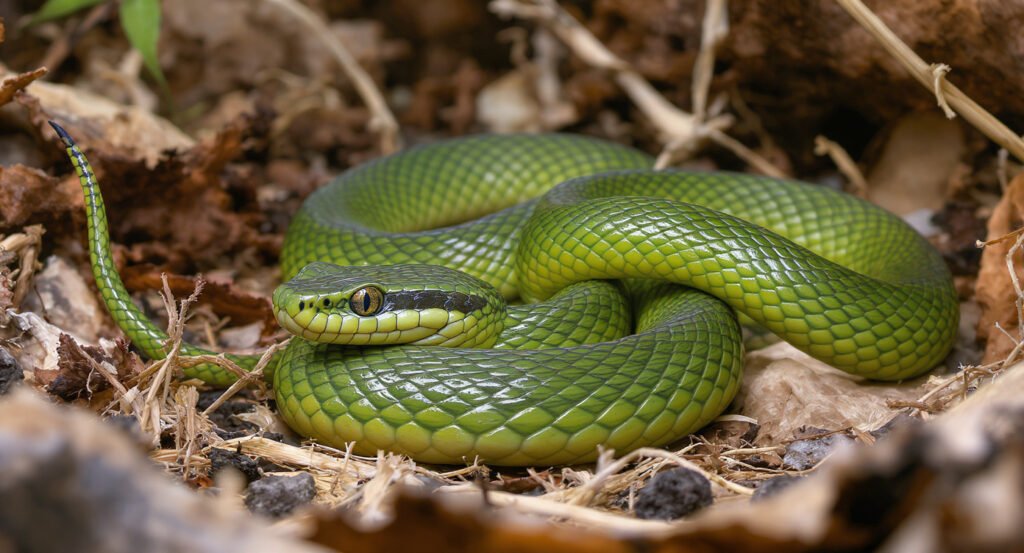
Introduction to Garter Snake Care
Garter snakes are among the most popular pet snakes for beginners and experienced reptile keepers alike. These hardy, attractive snakes are native to North America and come in a variety of colors and patterns. With proper care, garter snakes can live 10-15 years in captivity, making them a long-term companion for dedicated reptile enthusiasts.
Whether you’re considering your first garter snake or looking to refine your husbandry techniques, this comprehensive guide will walk you through everything you need to know about providing excellent care for these fascinating reptiles.
Choosing the Right Garter Snake
Several garter snake species are commonly available in the pet trade, including the common garter snake (Thamnophis sirtalis), the eastern garter snake, and the checkered garter snake. Most species have similar care requirements, though some may grow larger than others. Adult garter snakes typically reach 18-26 inches in length, with females generally being larger than males.
When selecting a garter snake, look for clear eyes, smooth skin without retained shed, a well-rounded body, and alert, active behavior. Avoid snakes that appear lethargic, have visible mites, or show signs of respiratory infection such as mucus around the nostrils or open-mouth breathing.
Worried About Your Reptile's Health?
Upload a photo and get instant AI health analysis. Catch problems before they become expensive vet bills.
Get Free Health Check →Setting Up the Perfect Enclosure
A proper enclosure is the foundation of good garter snake care. For an adult garter snake, a 20-gallon long tank is the minimum recommended size, though larger is always better. These snakes are active and terrestrial, so floor space is more important than height.
Essential Enclosure Components
- Substrate: Aspen shavings, cypress mulch, or reptile carpet work well. Avoid cedar and pine, which contain harmful oils.
- Hide boxes: Provide at least two hides—one on the warm side and one on the cool side of the enclosure.
- Water dish: A large, sturdy water bowl that the snake can soak in is essential. Change the water daily.
- Climbing branches: While primarily terrestrial, garter snakes enjoy occasional climbing opportunities.
- Temperature gradient: The warm side should be 80-85°F with a basking spot of 88-90°F, while the cool side should be 70-75°F.
Temperature and Lighting Requirements
Maintaining proper temperature is crucial for your garter snake’s health. Use an under-tank heating pad or heat tape on one side of the enclosure to create a temperature gradient. Always use a thermostat to prevent overheating, and monitor temperatures with reliable thermometers on both the warm and cool ends.
While garter snakes don’t require UVB lighting like some reptiles, providing a low-level UVB bulb (5.0) can benefit their overall health and natural behavior. At minimum, maintain a 12-hour day/night cycle with a standard light to regulate their circadian rhythm.
Feeding Your Garter Snake
Garter snakes have diverse dietary preferences in the wild, feeding on fish, worms, amphibians, and small rodents. In captivity, many keepers successfully maintain their snakes on a diet of appropriately-sized fish (such as silversides or tilapia) and earthworms, though some garter snakes can be transitioned to frozen-thawed rodents.
Never Miss Early Warning Signs
AI photo analysis catches subtle health issues humans miss 80% of the time. Early detection = healthier reptile + lower vet bills.
Start Free Trial →Young garter snakes should be fed every 3-4 days, while adults can be fed once weekly. Portion sizes should be appropriate to the snake’s girth—roughly the same diameter as the snake’s body at its widest point. Always provide fresh, dechlorinated water, as garter snakes are prone to dehydration.
Important Feeding Considerations
If feeding fish, avoid goldfish and rosy red minnows as a staple diet, as they contain thiaminase, an enzyme that destroys vitamin B1. Safe fish options include silversides, salmon pieces, and tilapia. Consider dusting food items with a reptile vitamin/mineral supplement containing calcium and vitamin D3 every few feedings.
Handling and Temperament
Garter snakes can be somewhat defensive when first acquired, often musking (releasing a foul-smelling secretion) or attempting to bite when handled. However, with regular, gentle handling, most garter snakes calm down and become tolerant of interaction.
Handle your garter snake 2-3 times per week for short sessions once it’s settled into its new environment. Always wash your hands before and after handling. Support the snake’s body fully and avoid restraining the head, which can cause stress. Never handle your snake for 48 hours after feeding to prevent regurgitation.
Join thousands of successful reptile owners
Try ReptileCoach Free →Health and Common Issues
With proper care, garter snakes are relatively hardy reptiles. However, they can be susceptible to certain health issues. Watch for signs of respiratory infections (wheezing, mucus discharge, open-mouth breathing), parasites (weight loss despite eating, abnormal feces), and skin conditions (retained shed, blisters, or discoloration).
Maintain appropriate humidity levels (40-60%) to facilitate proper shedding. Provide a moist hide box with damp sphagnum moss during shed cycles. If your snake experiences stuck shed, especially around the eyes or tail tip, offer a shallow water soak and gently assist removal if needed.
Schedule annual veterinary checkups with a reptile-experienced vet, and seek immediate veterinary care if you notice any concerning symptoms or behavioral changes.
Conclusion
Garter snakes make excellent pets for those willing to meet their specific care requirements. By providing appropriate housing, temperature regulation, a varied diet, and attentive husbandry, you’ll ensure your garter snake thrives in captivity for many years to come.
"This app saved my bearded dragon's life. The AI caught early MBD in photos I thought looked completely normal. Worth every penny!"
— Sarah K., ReptileCoach User
Get Your Free 7-Day Trial →Ready to take your reptile care to the next level? Track feeding schedules, monitor health metrics, and get personalized care reminders with the ReptileCoach App—your complete companion for successful reptile keeping.
Ready to Give Your Reptile the Best Care?
Stop guessing and start knowing. Get personalized AI-powered care guidance, photo health analysis, and 24/7 expert advice for YOUR specific reptile.
Get Personalized Care Guidance
AI-powered photo analysis and daily care tracking for YOUR reptile
Try Free for 7 Days →