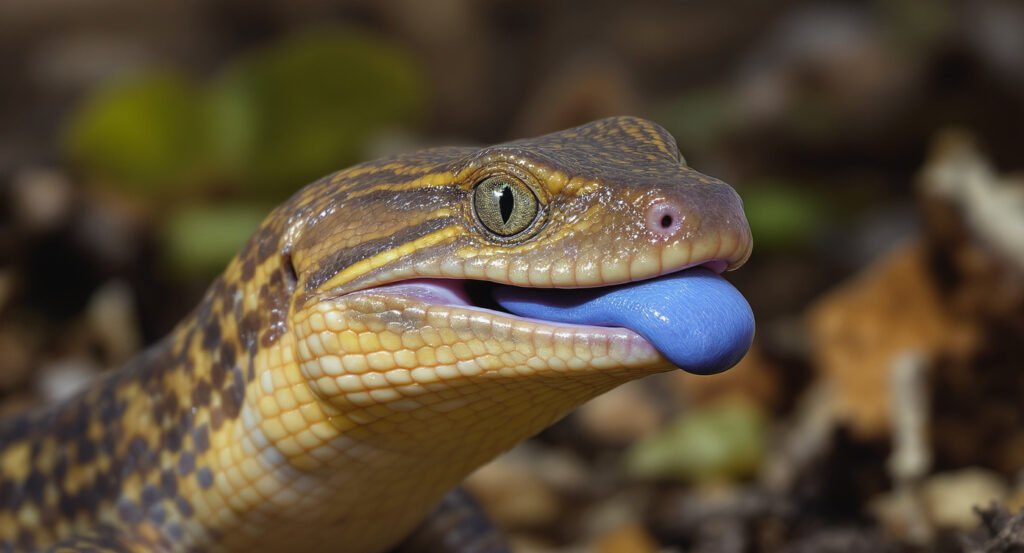
When your blue-tongued skink refuses to eat, it’s natural to feel concerned. These normally enthusiastic eaters can suddenly turn away from food for various reasons, leaving owners worried about their pet’s health. Understanding why your blue-tongued skink isn’t eating is the first step toward getting them back to their normal appetite.
In this comprehensive guide, we’ll explore the seven most common reasons blue-tongued skinks stop eating and provide practical solutions to help your reptile companion thrive.
1. Incorrect Temperature and Lighting
Temperature regulation is absolutely critical for blue-tongued skinks. These reptiles are ectothermic, meaning they rely on external heat sources to regulate their body temperature and digest food properly.
Why Temperature Matters
If your blue-tongued skink’s enclosure isn’t warm enough, their metabolism slows down significantly. Without adequate warmth, they simply cannot digest food, which triggers their natural instinct to stop eating altogether.
Worried About Your Reptile's Health?
Upload a photo and get instant AI health analysis. Catch problems before they become expensive vet bills.
Get Free Health Check →The Solution
- Maintain a basking spot between 95-100°F (35-38°C)
- Keep the cool end around 75-80°F (24-27°C)
- Provide 10-12 hours of UVB lighting daily using a quality 10.0 or 12.0 UVB bulb
- Use a reliable digital thermometer with probes at both ends of the enclosure
- Replace UVB bulbs every 6-12 months even if they still produce visible light
2. Brumation Period
Blue-tongued skinks naturally undergo brumation, a hibernation-like state that typically occurs during cooler months. During this period, your skink may refuse food entirely, and this is completely normal behavior.
Identifying Brumation
A brumating blue-tongued skink will be less active, spend more time hiding, and show reduced interest in food. This usually happens in late fall through winter, even for captive skinks kept indoors.
The Solution
- Don’t force-feed a brumating skink
- Reduce feeding frequency gradually
- Maintain proper temperatures but allow slightly cooler nighttime drops
- Ensure fresh water is always available
- Monitor weight to ensure they’re not losing excessive body condition
- Allow the brumation period to run its natural course, typically 6-12 weeks
3. Stress and Environmental Changes
Blue-tongued skinks are surprisingly sensitive to changes in their environment. A recent move, new enclosure, loud noises, or even rearranged decorations can stress your skink enough to suppress their appetite.
Common Stressors
Stress factors include excessive handling, nearby predators (including household pets), inadequate hiding spots, or being housed in a high-traffic area of your home.
Never Miss Early Warning Signs
AI photo analysis catches subtle health issues humans miss 80% of the time. Early detection = healthier reptile + lower vet bills.
Start Free Trial →The Solution
- Provide at least two hiding spots: one in the warm zone and one in the cool zone
- Minimize handling during the adjustment period
- Place the enclosure in a quiet area away from loud noises and vibrations
- Keep feeding schedules consistent
- Allow 1-2 weeks for your skink to acclimate to any major changes
- Ensure the enclosure size is appropriate (minimum 40 gallons for adults)
4. Improper Diet or Food Presentation
Blue-tongued skinks can be surprisingly picky eaters. They may refuse food if it’s not presented correctly, if they’ve become bored with their diet, or if the food items are too large.
Dietary Requirements
A healthy blue-tongued skink diet should consist of approximately 50% vegetables, 40% protein, and 10% fruit. Offering the same foods repeatedly can lead to dietary boredom.
The Solution
- Rotate protein sources: snails, dubia roaches, ground turkey, boiled eggs, and high-quality dog food
- Offer colorful vegetables like butternut squash, collard greens, and bell peppers
- Cut food into appropriately sized pieces (no larger than the space between their eyes)
- Try warming food slightly to release more aroma
- Mix foods together to prevent selective eating
- Dust insects with calcium powder 2-3 times weekly
5. Shedding Cycle
Many blue-tongued skinks reduce or completely stop eating during the shedding process. This is normal behavior and usually nothing to worry about.
Recognizing Pre-Shed Signs
Before shedding, your skink’s skin may appear dull or greyish, and their eyes might look cloudy. They may become more reclusive and irritable during this time.
Join thousands of successful reptile owners
Try ReptileCoach Free →The Solution
- Maintain humidity levels around 40-50% normally, increasing to 60% during shedding
- Provide a humid hide filled with moist sphagnum moss
- Offer a shallow soaking dish
- Don’t force-feed during this period
- Resume normal feeding once the shed is complete
- Check for retained shed, especially around toes and tail tip
6. Illness or Parasites
If your blue-tongued skink shows additional symptoms beyond appetite loss, illness may be the culprit. Respiratory infections, metabolic bone disease, and internal parasites are common health issues that affect feeding behavior.
Warning Signs
Look for lethargy, weight loss, discharge from the nose or mouth, difficulty breathing, soft or deformed jaw, or abnormal feces. These symptoms require immediate veterinary attention.
The Solution
- Schedule an appointment with a reptile veterinarian immediately
- Request a fecal test to check for parasites
- Keep detailed records of symptoms, behavior changes, and the last time they ate
- Maintain optimal husbandry while awaiting veterinary care
- Follow all prescribed treatment protocols completely
- Never attempt to diagnose or treat serious conditions at home
7. Seasonal Appetite Changes
Even with consistent environmental conditions, some blue-tongued skinks naturally eat less during certain times of the year. This biological rhythm is hardwired into their behavior from their wild Australian origins.
Understanding Natural Cycles
In the wild, food availability fluctuates seasonally. Your captive skink may still respond to these ancient cues, even though food is always available.
"This app saved my bearded dragon's life. The AI caught early MBD in photos I thought looked completely normal. Worth every penny!"
— Sarah K., ReptileCoach User
Get Your Free 7-Day Trial →The Solution
- Adjust feeding frequency rather than forcing larger meals
- Monitor body condition by gently feeling along the ribs and spine
- Offer smaller, more frequent meals if they’ll accept them
- Try offering favorite foods to gauge true appetite
- Keep detailed weight records to track any concerning trends
- Consult a veterinarian if weight loss exceeds 10% of body weight
When to Seek Veterinary Care
While temporary appetite loss is often normal, certain situations require professional intervention. Contact a reptile veterinarian if your blue-tongued skink hasn’t eaten for more than three weeks (outside of brumation), shows rapid weight loss, displays neurological symptoms like head tilting or seizures, has visible injuries or swelling, or exhibits any discharge from the eyes, nose, or mouth.
Prevention is Key
The best way to prevent feeding problems is maintaining optimal husbandry from the start. Regular health checks, consistent temperatures, proper UVB exposure, varied diet, clean water, and appropriate humidity levels create the foundation for a healthy, hungry blue-tongued skink.
Get Expert Support for Your Blue-Tongued Skink
Caring for a blue-tongued skink requires attention to numerous environmental and dietary factors. If you’re looking for personalized guidance tailored to your specific situation, get personalized care advice in our AI-powered app. Our expert system can help you troubleshoot feeding issues, optimize your husbandry setup, and ensure your blue-tongued skink lives a long, healthy life.
Remember, every blue-tongued skink is an individual with unique preferences and needs. By understanding these seven common causes of appetite loss and implementing the appropriate solutions, you’ll be well-equipped to keep your scaly companion happy, healthy, and eagerly awaiting their next meal.
Worried About Your Reptile's Health?
Upload a photo and get instant AI health analysis. Catch problems before they become expensive vet bills.
Get Free Health Check →Ready to Give Your Reptile the Best Care?
Stop guessing and start knowing. Get personalized AI-powered care guidance, photo health analysis, and 24/7 expert advice for YOUR specific reptile.
Get Personalized Care Guidance
AI-powered photo analysis and daily care tracking for YOUR reptile
Try Free for 7 Days →