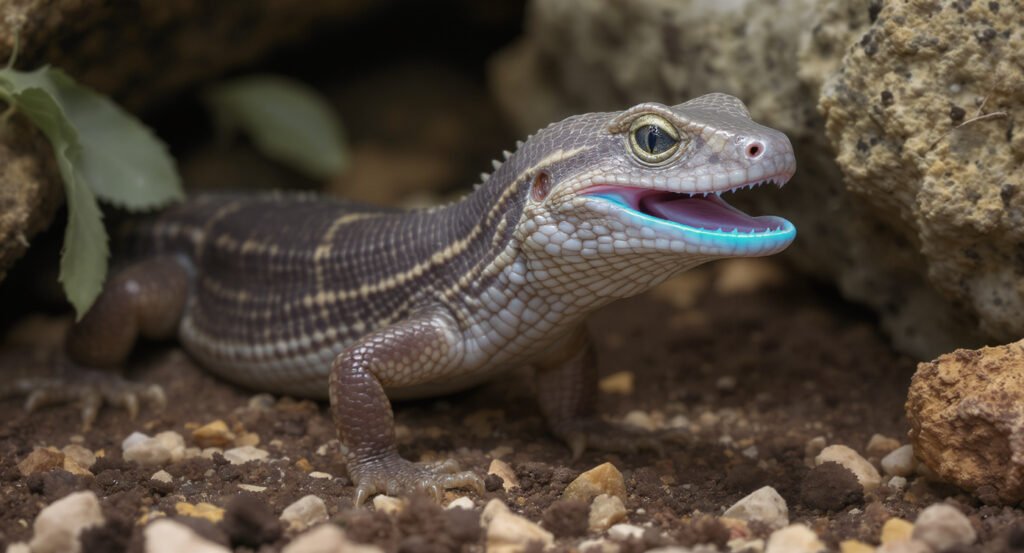
Blue-tongued skinks are typically enthusiastic eaters, so when your skink refuses food, it’s natural to feel concerned. Loss of appetite in these popular pet reptiles can stem from various causes, ranging from simple environmental issues to underlying health problems. Understanding why your blue-tongued skink isn’t eating is the first step toward getting them back to their healthy, food-motivated self.
Common Reasons Why Blue-Tongued Skinks Stop Eating
Environmental Factors
Temperature is often the primary culprit when a blue-tongued skink refuses food. These reptiles are ectothermic, meaning they rely on external heat sources to regulate their metabolism and digestion.
- Inadequate basking temperature: Blue-tongued skinks need a basking spot of 95-100°F (35-38°C). If temperatures are too low, their metabolism slows, and they lose interest in food.
- Insufficient heat gradient: The enclosure should have a cool end around 75-80°F (24-27°C) to allow proper thermoregulation.
- Nighttime temperature drops: While a slight drop is natural, temperatures shouldn’t fall below 70°F (21°C).
Lighting also plays a crucial role. Blue-tongued skinks require UVB lighting for vitamin D3 synthesis, which affects calcium absorption and overall health. Without proper UVB exposure, they may become lethargic and lose their appetite.
Stress-Related Appetite Loss
Blue-tongued skinks are generally hardy, but they can become stressed by various factors:
Worried About Your Reptile's Health?
Upload a photo and get instant AI health analysis. Catch problems before they become expensive vet bills.
Get Free Health Check →- Recent relocation or enclosure changes
- Excessive handling, especially with new pets
- Lack of hiding spots or security
- Loud noises or excessive activity near the enclosure
- Presence of other pets or perceived predators
A stressed skink may hide frequently, display defensive behavior, and refuse food until they feel secure in their environment.
Brumation and Seasonal Changes
Blue-tongued skinks naturally undergo brumation, a hibernation-like state, particularly during cooler months. During this period, they may eat little to nothing for weeks or even months. Signs of brumation include:
- Decreased activity levels
- Extended periods of hiding
- Reduced appetite or complete food refusal
- Increased sleeping
If your skink is otherwise healthy and it’s fall or winter, brumation is likely the explanation. This is a normal physiological process and not cause for alarm.
Managing your blue-tongued skink’s care can be challenging, especially when troubleshooting feeding issues. The Reptile Coach app helps you track feeding schedules, monitor temperature logs, and receive personalized care reminders to ensure your skink thrives year-round.
Never Miss Early Warning Signs
AI photo analysis catches subtle health issues humans miss 80% of the time. Early detection = healthier reptile + lower vet bills.
Start Free Trial →Health-Related Causes
Parasites and Infections
Internal parasites are common in reptiles and can significantly impact appetite. Symptoms may include:
- Weight loss despite normal body appearance
- Abnormal feces (runny, discolored, or foul-smelling)
- Lethargy
- Bloating or visible discomfort
Respiratory infections can also cause appetite loss. Watch for wheezing, mucus around the nostrils, open-mouth breathing, or lethargy. These conditions require immediate veterinary attention.
Impaction and Digestive Issues
Impaction occurs when the digestive tract becomes blocked, often from ingesting substrate material like sand or bark. A blue-tongued skink with impaction may:
- Refuse food completely
- Show a swollen or hard abdomen
- Strain without producing feces
- Become increasingly lethargic
Impaction is a serious medical emergency requiring veterinary intervention.
Join thousands of successful reptile owners
Try ReptileCoach Free →Metabolic Bone Disease (MBD)
MBD results from calcium deficiency or improper UVB exposure. Advanced MBD can cause loss of appetite along with:
- Soft or deformed jaw and bones
- Difficulty moving or walking
- Tremors or twitching
- Swollen limbs
Practical Solutions to Encourage Eating
Optimize the Environment
Start by verifying and adjusting your husbandry parameters:
- Check temperatures: Use a reliable thermometer gun to measure basking and cool-end temperatures. Adjust heat sources as needed.
- Verify UVB lighting: Replace UVB bulbs every 6-12 months even if they still produce visible light, as UVB output degrades over time.
- Ensure adequate humidity: Blue-tongued skinks need 40-60% humidity. Too high or too low can affect health and appetite.
- Provide hiding spots: At least one hide on each end of the temperature gradient helps your skink feel secure.
Reduce Stress
Give your skink time to acclimate, especially if they’re new to your home. Limit handling to short sessions every few days until they settle in. Ensure their enclosure is in a quiet area away from high-traffic zones.
Offer Variety and Appeal
Blue-tongued skinks can be picky eaters. Try these strategies:
"This app saved my bearded dragon's life. The AI caught early MBD in photos I thought looked completely normal. Worth every penny!"
— Sarah K., ReptileCoach User
Get Your Free 7-Day Trial →- Offer favorite foods like snails, soft fruits, or wet dog food
- Warm food slightly to enhance aroma (never hot)
- Hand-feed or use tongs to simulate movement
- Try different food textures and colors
- Feed during their most active times, typically morning or early evening
When to See a Veterinarian
Consult a reptile-experienced veterinarian if your blue-tongued skink:
- Hasn’t eaten for more than 2-3 weeks (outside brumation season)
- Shows signs of weight loss or muscle wasting
- Displays other symptoms like lethargy, abnormal feces, respiratory issues, or swelling
- Has been exposed to potential toxins or ingested substrate
- Shows signs of pain or distress
Early intervention is crucial for treating health issues before they become life-threatening.
Prevention Strategies
Maintaining optimal conditions prevents most feeding problems:
- Conduct weekly health checks to catch issues early
- Keep detailed feeding and behavior logs
- Maintain consistent temperatures and lighting schedules
- Provide a varied, nutritionally complete diet
- Schedule annual veterinary checkups
- Quarantine new reptiles before introducing them near existing pets
Conclusion
A blue-tongued skink refusing food can be concerning, but most cases resolve with proper environmental adjustments and patience. By systematically addressing temperature, lighting, stress factors, and health concerns, you can identify the cause and implement effective solutions. Remember that seasonal brumation is natural and temporary. However, if symptoms persist or worsen, professional veterinary care is essential. With attentive care and proper husbandry, your blue-tongued skink will return to their characteristically enthusiastic eating habits.
Worried About Your Reptile's Health?
Upload a photo and get instant AI health analysis. Catch problems before they become expensive vet bills.
Get Free Health Check →Ready to Give Your Reptile the Best Care?
Stop guessing and start knowing. Get personalized AI-powered care guidance, photo health analysis, and 24/7 expert advice for YOUR specific reptile.
Get Personalized Care Guidance
AI-powered photo analysis and daily care tracking for YOUR reptile
Try Free for 7 Days →