
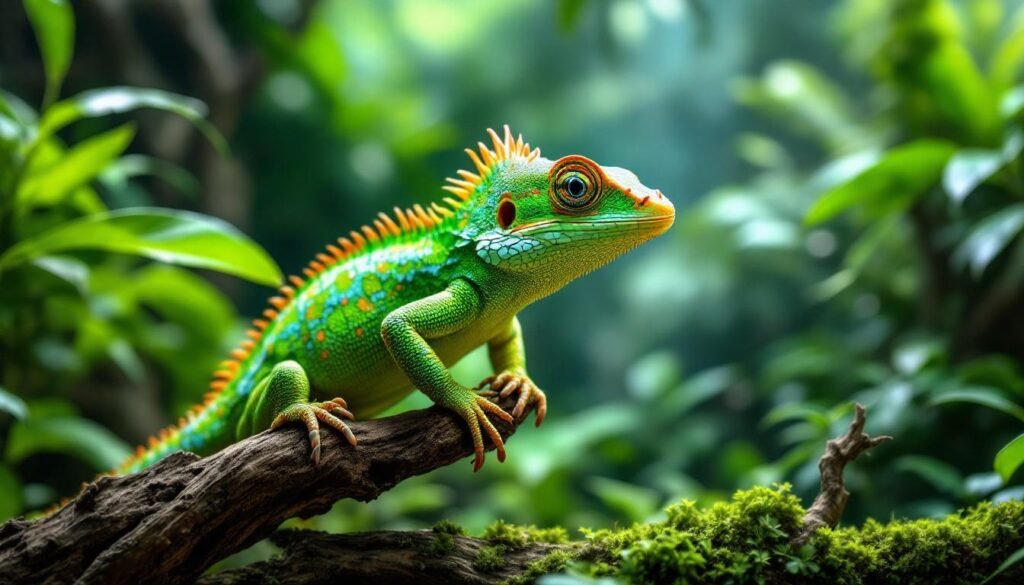
Chinese water dragons (Physignathus cocincinus) are one of the most visually striking lizards you can keep as a pet. With their vivid green scales, dinosaur-like crests, and surprisingly personable temperament, they’ve earned a loyal following among reptile enthusiasts. That said, they’re not a beginner lizard in the traditional sense — they have specific environmental needs that, if met consistently, will reward you with a healthy, long-lived companion. This guide covers everything a first-time keeper needs to know.
Enclosure Size and Setup
Chinese water dragons are active, arboreal lizards that need plenty of vertical space to climb and horizontal space to roam. Adults can reach 2–3 feet in length, so a cramped enclosure will cause chronic stress and health problems.
- Juveniles (under 12 months): A 40-gallon breeder tank works as a temporary setup, but you’ll outgrow it fast.
- Adults: Minimum 4 feet wide x 2 feet deep x 6 feet tall. Bigger is always better with this species.
- Material: PVC or wood enclosures with front-opening doors are ideal for maintaining humidity. Screen tops lose moisture too quickly.
Inside the enclosure, prioritize climbing structures. Use thick branches, cork bark tubes, and live or artificial plants to create a layered canopy. Water dragons are semi-aquatic, so a large water feature — at minimum a deep bowl they can fully submerge in — is essential. Many keepers build custom water sections into the enclosure floor. Substrate options include coconut fiber, organic topsoil, or a bioactive mix that helps maintain humidity naturally.
Temperature and Humidity Requirements
Getting the thermal gradient right is non-negotiable. Water dragons are ectotherms, meaning they regulate body temperature by moving between warm and cool zones.
Worried About Your Reptile's Health?
Upload a photo and get instant AI health analysis. Catch problems before they become expensive vet bills.
Get Free Health Check →- Basking spot: 90–95°F (32–35°C)
- Warm side ambient: 80–85°F (27–29°C)
- Cool side ambient: 75–80°F (24–27°C)
- Nighttime low: No lower than 70°F (21°C)
Use a quality digital thermometer with a probe — avoid the stick-on dial thermometers that come with starter kits, as they’re notoriously inaccurate. A ceramic heat emitter or deep heat projector works well for maintaining overnight temperatures without disrupting the light cycle.
Humidity is where many keepers struggle. Chinese water dragons need 70–80% relative humidity consistently. Low humidity leads to stuck sheds, respiratory infections, and dehydration. Achieve this by misting the enclosure 2–3 times daily, using a fogger or automatic misting system, and choosing a substrate that retains moisture. A digital hygrometer placed mid-enclosure gives you the most accurate reading.
UVB Lighting Needs
UVB lighting isn’t optional — it’s critical. Without adequate UVB exposure, water dragons cannot synthesize vitamin D3, which leads to metabolic bone disease (MBD), a painful and often fatal condition.
- Use a linear T5 HO UVB bulb rated at 6% or 10% UVB output (brands like Arcadia or Reptisun 10.0 are well-regarded).
- Position the bulb so the basking spot sits within the optimal UVB zone — typically 10–14 inches from a T5 HO bulb, depending on the brand.
- Run UVB lighting on a 12-hour on/12-hour off cycle to mimic natural daylight patterns.
- Replace UVB bulbs every 6–12 months even if they still emit visible light, as UVB output degrades before the bulb burns out.
A separate basking bulb (incandescent or halogen) provides the heat gradient. Avoid coil/compact UVB bulbs — they’ve been linked to eye problems in reptiles and don’t provide adequate coverage for a large enclosure.
Never Miss Early Warning Signs
AI photo analysis catches subtle health issues humans miss 80% of the time. Early detection = healthier reptile + lower vet bills.
Start Free Trial →Diet and Feeding Schedule
Chinese water dragons are omnivores, leaning heavily toward insects with some plant matter. Variety is key to a balanced diet.
- Staple insects: Crickets, dubia roaches, black soldier fly larvae
- Occasional treats: Waxworms, superworms (high fat — use sparingly), hornworms
- Vegetables and greens: Collard greens, mustard greens, dandelion greens, squash, bell peppers
- Fruits: Small amounts of mango, papaya, or berries as occasional treats
- Protein extras: Pinky mice and small feeder fish can be offered occasionally to adults
Juveniles should be fed daily, as they’re growing rapidly. Adults do well on a feeding schedule of 5 days on, 2 days off, or every other day. All feeder insects should be gut-loaded 24–48 hours before feeding and dusted with calcium (with D3) at most feedings, plus a multivitamin supplement 1–2 times per week. Fresh water should always be available.
Handling Tips
Water dragons can become quite tame with consistent, patient handling — but they’re not naturally docile out of the box. Rushing the process leads to a stressed lizard that associates you with danger.
- Start with short sessions of 5–10 minutes, once or twice a day.
- Let the dragon come to you when possible — use feeding tongs to build positive associations first.
- Support the full body when holding; never grab by the tail.
- Watch for stress signals: darkening color, gaping mouth, whipping tail, or attempting to flee repeatedly.
- Avoid handling during shedding or within an hour of feeding.
With time, many water dragons will voluntarily climb onto their keeper’s hand and tolerate extended handling sessions. Some individuals remain skittish regardless — respect their personality and don’t force interaction.
Join thousands of successful reptile owners
Try ReptileCoach Free →Common Health Issues
Knowing what to watch for can mean the difference between catching a problem early and facing a serious veterinary situation.
- Metabolic Bone Disease (MBD): Caused by insufficient UVB or calcium. Signs include soft jaw, tremors, and limb deformities. Preventable with proper lighting and supplementation.
- Rostral (snout) rubbing: Water dragons frequently injure their snouts by repeatedly pressing against glass walls. This is a stress behavior — add more visual barriers and enrichment to reduce it.
- Respiratory infections: Usually caused by temperatures that are too low or humidity that’s too high with poor ventilation. Symptoms include wheezing, mucus around the mouth, and lethargy.
- Parasites: Both internal (worms, protozoa) and external (mites) can affect water dragons, especially wild-caught individuals. A fecal exam from a reptile vet is recommended when you first bring one home.
- Dysecdysis (stuck shed): Caused by low humidity. Soak the dragon in lukewarm water and gently assist if needed — never pull stuck shed dry.
Find a reptile-experienced vet before you need one. Exotic vets can be hard to locate in some areas, and having a contact established ahead of time saves critical time in an emergency.
Ready to Level Up Your Reptile Knowledge?
Caring for a Chinese water dragon is genuinely rewarding, but there’s always more to learn — from advanced bioactive setups to reading your dragon’s behavior more accurately. If you want personalized guidance and a structured approach to reptile keeping, check out the Reptile Coach app. It’s built to help keepers at every level make better decisions for their animals.
With the right setup and a little patience, your Chinese water dragon can thrive for 10–15 years. The investment in getting the environment right from day one pays off in a healthier, more confident animal — and a much more enjoyable experience for you.
"This app saved my bearded dragon's life. The AI caught early MBD in photos I thought looked completely normal. Worth every penny!"
— Sarah K., ReptileCoach User
Get Your Free 7-Day Trial →Ready to Give Your Reptile the Best Care?
Stop guessing and start knowing. Get personalized AI-powered care guidance, photo health analysis, and 24/7 expert advice for YOUR specific reptile.
Get Personalized Care Guidance
AI-powered photo analysis and daily care tracking for YOUR reptile
Try Free for 7 Days →