
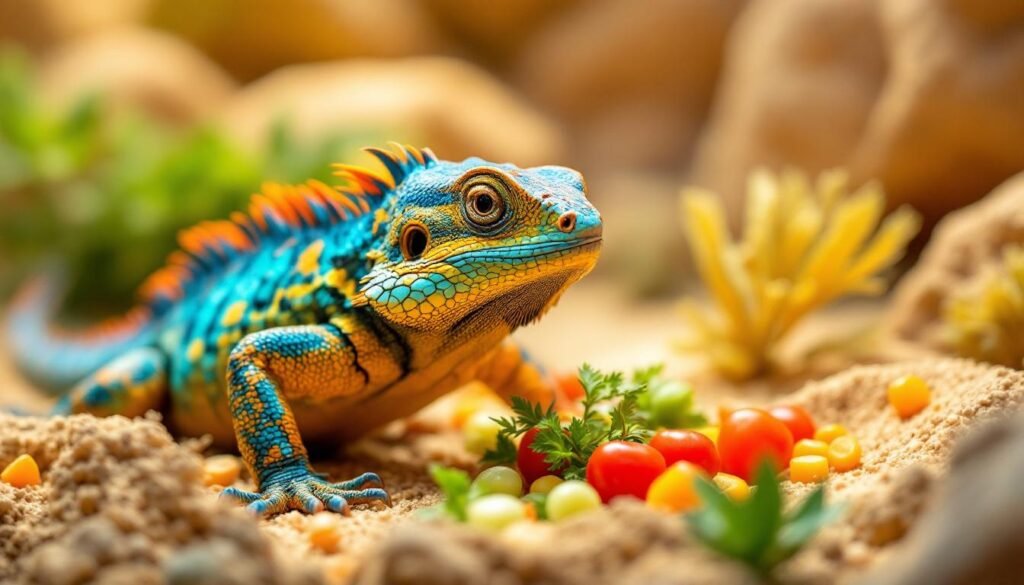
Uromastyx lizards are fascinating, hardy reptiles that have become increasingly popular among reptile keepers. But getting their diet right is one of the most important — and most misunderstood — aspects of their care. These desert dwellers have very specific nutritional needs, and feeding them incorrectly can lead to serious health problems. This guide covers everything you need to know about uromastyx diet and nutrition, from what they eat in the wild to the best foods to offer at home.
What Do Uromastyx Eat in the Wild?
In their native habitats across North Africa, the Middle East, and South Asia, uromastyx are primarily herbivores. They forage across rocky desert terrain, consuming a wide variety of plant matter including grasses, leaves, flowers, and seeds. Their diet is naturally high in fiber and low in moisture, which is a key detail that shapes how we should feed them in captivity.
Wild uromastyx also consume insects occasionally, particularly as juveniles when protein demands are higher. However, plant matter makes up the overwhelming majority of their diet throughout their lives. Understanding this natural feeding pattern is the foundation of good captive nutrition.
Best Vegetables to Feed Your Uromastyx
Dark leafy greens should form the backbone of your uromastyx’s diet. These provide essential vitamins, minerals, and fiber that keep your lizard healthy and active. Rotate through a variety of greens to ensure nutritional balance.
Worried About Your Reptile's Health?
Upload a photo and get instant AI health analysis. Catch problems before they become expensive vet bills.
Get Free Health Check →- Collard greens — high in calcium and a staple choice
- Dandelion greens — excellent source of vitamins A and C
- Mustard greens — nutritious and usually well accepted
- Turnip greens — good calcium-to-phosphorus ratio
- Endive and escarole — great variety options with solid nutrition
- Spring mix (without spinach) — convenient and varied
- Butternut squash — can be offered raw and grated
- Bell peppers — good source of vitamin C and usually enjoyed
Chop or shred vegetables into small, manageable pieces. Uromastyx tend to prefer their food dry rather than wet, so avoid washing greens right before serving or pat them dry thoroughly.
Seeds and Dry Foods: An Important Part of the Diet
Unlike most other herbivorous reptiles, uromastyx genuinely benefit from seeds as a regular part of their diet. Seeds are a natural food source in the wild and provide healthy fats, protein, and energy — especially important for juveniles and breeding females.
- Millet — one of the best and most commonly recommended seeds
- Lentils (dry or slightly sprouted) — excellent protein source
- Split peas — nutritious and easy to offer
- Dried beans (cooked or sprouted, never raw) — good variety option
- Grass seeds — mimic natural foraging behavior
Seeds and legumes should make up roughly 10–20% of the overall diet. Avoid seeds that are high in fat like sunflower or pumpkin seeds — these can be offered very occasionally as treats but should not be staples.
Foods to Avoid
Some foods that seem harmless — or are even recommended for other reptiles — can be problematic or outright dangerous for uromastyx. Knowing what to leave out of the bowl is just as important as knowing what to put in.
Never Miss Early Warning Signs
AI photo analysis catches subtle health issues humans miss 80% of the time. Early detection = healthier reptile + lower vet bills.
Start Free Trial →- Spinach and beet greens — contain oxalates that bind calcium and can contribute to metabolic bone disease
- Iceberg lettuce — almost no nutritional value and too high in water content
- Avocado — toxic to reptiles
- Rhubarb — contains oxalic acid and is toxic
- Fruit — too high in sugar for a desert species; can disrupt gut flora
- Animal protein (for adults) — adult uromastyx do not need insects or meat and excess protein can cause kidney stress
- Kale and broccoli (in large amounts) — contain goitrogens that can affect thyroid function when fed frequently
Feeding Frequency by Age
How often you feed your uromastyx depends largely on their age and life stage. Getting this right supports healthy growth in juveniles and prevents obesity in adults.
- Hatchlings and juveniles (0–12 months) — feed daily, offering a mix of finely chopped greens and seeds; small amounts of protein like lentils are beneficial at this stage
- Sub-adults (1–2 years) — feed daily or every other day; continue offering variety and monitor growth
- Adults (2+ years) — feed every 1–2 days; reduce seed and legume portions slightly and focus on leafy greens
Always remove uneaten food after a few hours to prevent spoilage and bacterial growth in the enclosure. Uromastyx are active during the day, so offer food in the morning when they are most alert and their basking temperatures are ramping up.
Hydration: Do Uromastyx Need Water?
This is one of the most debated topics in uromastyx care. In the wild, these lizards get most of their moisture from the plants they eat and rarely encounter standing water. In captivity, the approach depends on your individual animal and setup.
Most experienced keepers do not provide a permanent water dish, as high humidity can cause respiratory issues and skin problems in this desert species. Instead, hydration is managed through diet — fresh greens naturally contain some moisture, which is usually sufficient.
Join thousands of successful reptile owners
Try ReptileCoach Free →That said, during shedding, illness, or extreme heat, a shallow water dish can be offered temporarily for a day or two. Some keepers also lightly mist a corner of the enclosure once a week to allow the lizard to drink droplets if it chooses. Watch your animal’s behavior and body condition — a healthy uromastyx should have plump, rounded fat pads at the base of the tail.
Supplementation: Calcium and Vitamins
Even with a well-rounded diet, supplementation plays an important role in preventing deficiencies — particularly metabolic bone disease, which is caused by calcium and vitamin D3 imbalances.
- Calcium without D3 — dust food lightly 3–4 times per week; this is the most important supplement for uromastyx
- Calcium with D3 — use sparingly, about once per week, especially if UVB lighting is not optimal
- Multivitamin — offer once every 1–2 weeks to cover any nutritional gaps in the diet
Do not over-supplement — too much vitamin A or D3 can cause toxicity. Stick to a consistent schedule and use reptile-specific supplements from reputable brands. Proper UVB lighting (a 10.0 or 12% UVB bulb) also helps your uromastyx synthesize vitamin D3 naturally, which reduces reliance on supplemental D3.
Putting It All Together
A healthy uromastyx diet is built on variety, consistency, and an understanding of their natural biology. Rotate your greens, include seeds in moderation, avoid high-moisture and high-sugar foods, and supplement regularly. Pay attention to your animal’s weight, energy levels, and shedding patterns — these are your best indicators that the diet is working.
"This app saved my bearded dragon's life. The AI caught early MBD in photos I thought looked completely normal. Worth every penny!"
— Sarah K., ReptileCoach User
Get Your Free 7-Day Trial →If you want personalized guidance on your uromastyx’s diet, enclosure setup, and overall care routine, check out the Reptile Coach app — a dedicated tool built to help reptile keepers make confident, informed decisions for their animals.
Getting the diet right takes a little learning upfront, but once you have a solid routine in place, feeding your uromastyx becomes one of the most enjoyable parts of keeping them.
Ready to Give Your Reptile the Best Care?
Stop guessing and start knowing. Get personalized AI-powered care guidance, photo health analysis, and 24/7 expert advice for YOUR specific reptile.
Get Personalized Care Guidance
AI-powered photo analysis and daily care tracking for YOUR reptile
Try Free for 7 Days →