
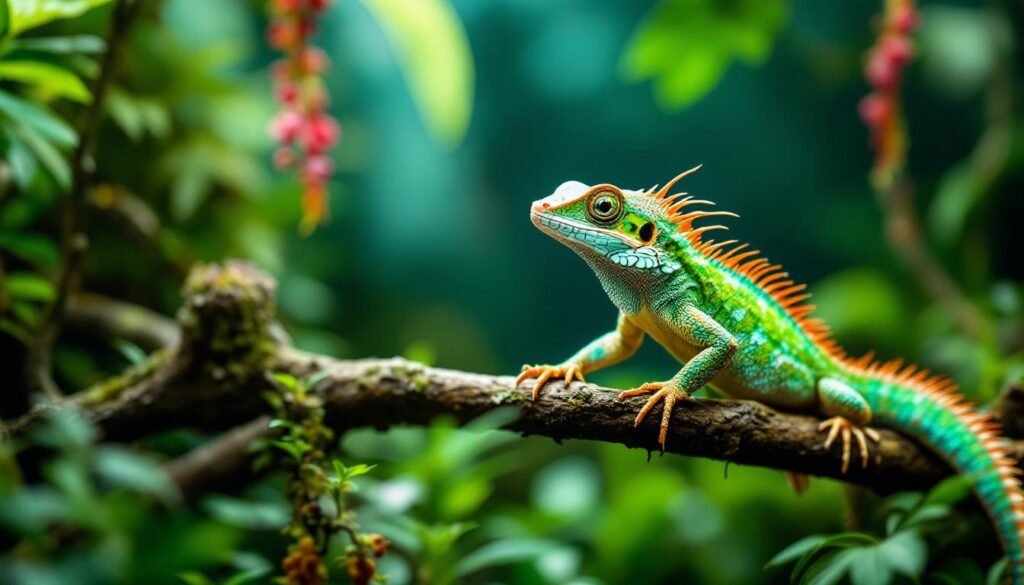
Chinese water dragons (Physignathus cocincinus) are one of the most visually striking lizards you can keep as a pet. With their vivid green scales, dinosaur-like crests, and surprisingly personable temperament, they’ve earned a loyal following among reptile enthusiasts. That said, they’re not a beginner lizard in the traditional sense — they have specific environmental needs that, if met consistently, will reward you with a healthy, long-lived companion. This guide covers everything a first-time water dragon keeper needs to know.
Enclosure Size and Setup
Chinese water dragons are active, arboreal lizards that need plenty of vertical space to climb and explore. A single adult requires a minimum enclosure of 6 feet tall by 3 feet wide by 3 feet deep. Bigger is always better here — cramped quarters are one of the leading causes of stress and nose rubbing injuries in captive water dragons.
For substrate, use a moisture-retaining mix like coconut fiber, organic topsoil, or a bioactive blend. Avoid dry substrates like sand or reptile carpet, which can’t support the humidity levels these animals need. Add a thick layer (4–6 inches) to allow for burrowing behavior.
Furnish the enclosure with:
Worried About Your Reptile's Health?
Upload a photo and get instant AI health analysis. Catch problems before they become expensive vet bills.
Get Free Health Check →- Sturdy horizontal branches at multiple heights for basking and climbing
- Dense live or artificial foliage for cover and security
- A large, shallow water dish or small pool — water dragons love to soak and will often defecate in water, so clean it frequently
- Cork bark hides at both warm and cool ends of the enclosure
Glass or PVC enclosures with front-opening doors work best. Screen tops can make humidity management difficult, so look for enclosures with limited ventilation panels if you’re in a dry climate.
Temperature and Humidity Requirements
Getting the thermal gradient right is critical. Chinese water dragons are ectotherms, meaning they regulate their body temperature by moving between warmer and cooler zones in their environment.
- Basking spot: 90–95°F (32–35°C)
- Warm side ambient: 80–85°F (27–29°C)
- Cool side ambient: 75–80°F (24–27°C)
- Nighttime low: no lower than 70°F (21°C)
Use a halogen flood bulb or a dedicated basking bulb to create the hot spot. Avoid heat rocks and under-tank heaters as primary heat sources — they can cause burns and don’t create the radiant heat these lizards need from above.
Humidity should stay between 70–80% at all times. Use a digital hygrometer to monitor levels and mist the enclosure once or twice daily. Automated misting systems make this much easier to maintain consistently. Live plants also help buffer humidity naturally.
Never Miss Early Warning Signs
AI photo analysis catches subtle health issues humans miss 80% of the time. Early detection = healthier reptile + lower vet bills.
Start Free Trial →UVB Lighting Needs
UVB lighting is non-negotiable for Chinese water dragons. Without adequate UVB exposure, they cannot synthesize vitamin D3, which leads to metabolic bone disease — a painful and often fatal condition.
Use a high-output linear UVB bulb rated for the size of your enclosure. A T5 HO 10.0 or 12% UVB bulb is the standard recommendation for this species. Position it so your dragon can bask within 10–12 inches of the bulb without obstruction from mesh or glass, which filters out UVB rays.
Run the UVB light on a 12-hour on/12-hour off cycle to mimic natural daylight patterns. Replace the bulb every 6–12 months even if it still appears to be working — UVB output degrades before the visible light does.
A separate basking bulb provides the heat gradient, while the UVB tube covers the lighting spectrum. Some keepers use a mercury vapor bulb that combines both, which can simplify the setup.
Join thousands of successful reptile owners
Try ReptileCoach Free →Diet and Feeding Schedule
Chinese water dragons are omnivores, though their diet skews heavily toward protein, especially when young. A varied diet is key to long-term health.
Staple feeder insects include:
- Dubia roaches
- Crickets
- Black soldier fly larvae
- Hornworms (great for hydration)
Adults can also eat occasional pinky mice, earthworms, and small amounts of leafy greens like collard greens, mustard greens, and dandelion leaves. Avoid spinach, kale, and iceberg lettuce as staples — they either bind calcium or offer little nutritional value.
Feeding schedule by age:
"This app saved my bearded dragon's life. The AI caught early MBD in photos I thought looked completely normal. Worth every penny!"
— Sarah K., ReptileCoach User
Get Your Free 7-Day Trial →- Juveniles (under 12 months): feed daily, offering insects sized no larger than the space between their eyes
- Sub-adults (12–18 months): feed every other day
- Adults (18+ months): feed every 2–3 days, with plant matter offered more regularly
Dust feeders with calcium (without D3) at every feeding, and use a multivitamin supplement with D3 once or twice a week. If your UVB setup is solid, you won’t need to over-supplement D3, but a small amount in the rotation helps cover any gaps.
Handling Tips
Water dragons can become quite tame with consistent, gentle handling — but patience is essential, especially in the first few months. Rushing the process leads to a stressed, defensive animal that may never fully settle.
Start with short sessions of 5–10 minutes, letting your dragon walk across your hands rather than gripping them. Support their body fully and avoid grabbing from above, which mimics a predator attack and triggers a flight response.
Signs your dragon is comfortable: slow movements, relaxed posture, and a willingness to sit still. Signs of stress: dark coloration, puffing up, tail whipping, or attempting to flee. If you see stress signals, end the session and try again another day.
Worried About Your Reptile's Health?
Upload a photo and get instant AI health analysis. Catch problems before they become expensive vet bills.
Get Free Health Check →Never handle your water dragon within 48 hours of feeding, and avoid handling during shedding — their skin is sensitive and the process is already stressful enough.
Common Health Issues
Even well-cared-for water dragons can run into health problems. Knowing the warning signs early makes a real difference in outcomes.
- Metabolic bone disease (MBD): caused by insufficient UVB or calcium. Symptoms include soft jaw, tremors, and limb deformities. Preventable with proper lighting and supplementation.
- Rostral abrasions: nose rubbing against enclosure walls is extremely common, usually caused by stress or an enclosure that’s too small. Treat with antiseptic and address the root cause.
- Parasites: internal parasites are common in wild-caught animals. Have a fecal exam done by a reptile vet when you first bring your dragon home.
- Respiratory infections: usually a sign of temperatures that are too low or humidity that’s inconsistent. Symptoms include wheezing, mucus around the mouth or nostrils, and lethargy.
- Dysecdysis (incomplete shed): caused by low humidity. Soaking your dragon in lukewarm water and increasing misting usually resolves it.
Find a reptile-experienced vet before you need one. Annual wellness checks are worth it, and having a trusted vet on call can be the difference between catching something early and dealing with a crisis.
Ready to Level Up Your Reptile Knowledge?
Chinese water dragons are rewarding pets when their needs are met consistently — but there’s always more to learn. Whether you’re troubleshooting a husbandry issue, planning a bioactive build, or just want expert guidance tailored to your specific animal, Reptile Coach connects you with experienced reptile specialists who can help you get it right. It’s one of the most practical resources available for keepers who want to go beyond the basics.
Never Miss Early Warning Signs
AI photo analysis catches subtle health issues humans miss 80% of the time. Early detection = healthier reptile + lower vet bills.
Start Free Trial →With the right setup, a consistent routine, and a little patience, your Chinese water dragon can thrive for 10–15 years in captivity. That’s a long and rewarding relationship — and it all starts with getting the fundamentals dialed in from day one.
Ready to Give Your Reptile the Best Care?
Stop guessing and start knowing. Get personalized AI-powered care guidance, photo health analysis, and 24/7 expert advice for YOUR specific reptile.
Get Personalized Care Guidance
AI-powered photo analysis and daily care tracking for YOUR reptile
Try Free for 7 Days →