
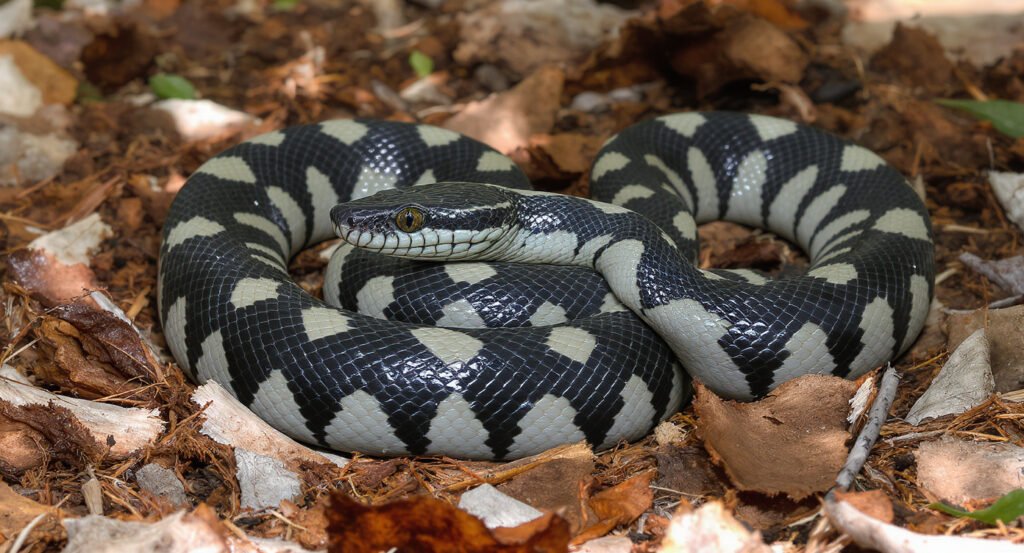
King snakes are among the most popular pet snakes for both beginners and experienced reptile enthusiasts, and for good reason. These beautiful, docile serpents are hardy, relatively easy to care for, and come in stunning color variations that make them a joy to keep. Whether you’re considering your first king snake or looking to refine your husbandry techniques, this comprehensive king snake care guide will walk you through everything you need to know to keep these remarkable reptiles healthy and thriving.
Species Overview: Understanding Your King Snake
King snakes belong to the genus Lampropeltis and encompass several popular species and subspecies. The most common varieties kept as pets include:
- California King Snake (Lampropeltis californiae) – Known for bold black and white banding
- Florida King Snake (Lampropeltis getula floridana) – Features light chain-link patterns
- Mexican Black King Snake (Lampropeltis getula nigrita) – Striking solid black coloration
- Desert King Snake (Lampropeltis splendida) – Beautiful speckled patterns
Adult king snakes typically reach 3 to 4 feet in length, though some specimens can grow up to 6 feet. They have a lifespan of 15 to 20 years in captivity when properly cared for, making them a long-term commitment. These constrictors earned their “king” title from their ability to eat other snakes, including venomous species, though this behavior is rarely a concern in captivity.
Natural Habitat and Behavior
In the wild, king snakes inhabit diverse environments across North America, from forests and grasslands to deserts and marshes. They’re terrestrial snakes that spend most of their time on the ground, though they’re capable climbers when needed. King snakes are primarily crepuscular, meaning they’re most active during dawn and dusk, though captive specimens often adjust their schedules based on feeding times.
Worried About Your Reptile's Health?
Upload a photo and get instant AI health analysis. Catch problems before they become expensive vet bills.
Get Free Health Check →Understanding their natural behavior helps replicate appropriate conditions in captivity. These snakes are solitary creatures that only come together for breeding, and they’re known for being excellent escape artists, so secure enclosures are essential.
Enclosure Setup: Creating the Perfect Home
Tank Size and Type
Choosing the right enclosure is fundamental to successful king snake care. Here are the recommended minimum sizes:
- Hatchlings: 10-gallon tank (20″ × 10″ × 12″)
- Juveniles: 20-gallon long tank (30″ × 12″ × 12″)
- Adults: 40-gallon breeder tank (36″ × 18″ × 18″) or larger
Glass terrariums with secure locking lids work well, as do PVC reptile enclosures. The enclosure should be escape-proof—king snakes can squeeze through surprisingly small gaps and will test every corner of their habitat.
Substrate Options
Select substrates that retain some moisture while allowing your snake to burrow naturally:
Never Miss Early Warning Signs
AI photo analysis catches subtle health issues humans miss 80% of the time. Early detection = healthier reptile + lower vet bills.
Start Free Trial →- Aspen shavings (most popular choice)
- Cypress mulch
- Paper towels (ideal for quarantine and hatchlings)
- Coconut husk bedding
Avoid cedar and pine shavings, as these contain oils that can cause respiratory problems.
Essential Furnishings
Your king snake’s enclosure should include:
- Two hide boxes – one on the warm side and one on the cool side
- Water bowl – large enough for soaking, changed daily
- Climbing branches – optional but enriching
- Background plants – artificial or live for visual security
Temperature and Humidity Requirements
Temperature Gradient
Proper thermoregulation is crucial for digestion, immune function, and overall health. Establish a temperature gradient:
- Warm side: 85-90°F (29-32°C)
- Basking spot: 90-95°F (32-35°C)
- Cool side: 75-80°F (24-27°C)
- Nighttime: 70-75°F (21-24°C)
Use an under-tank heating pad or heat tape controlled by a thermostat on one end of the enclosure. Always use a thermostat to prevent overheating, and monitor temperatures with at least two thermometers—one on each end.
Join thousands of successful reptile owners
Try ReptileCoach Free →Humidity Levels
King snakes thrive at 40-60% humidity. Monitor levels with a hygrometer and adjust by:
- Misting the enclosure lightly 2-3 times per week
- Using a larger water bowl
- Adding a humid hide filled with damp sphagnum moss (especially important during shedding)
Diet and Feeding Schedule
King snakes are opportunistic carnivores with hearty appetites. In captivity, they should be fed appropriately-sized frozen-thawed rodents:
Prey Size Guidelines
The prey item should be no wider than the widest part of your snake’s body. Start with pinkie mice for hatchlings and gradually increase size as your snake grows.
Feeding Frequency
- Hatchlings (0-6 months): Every 5-7 days
- Juveniles (6-12 months): Every 7-10 days
- Adults: Every 10-14 days
Always thaw frozen rodents completely and warm them to approximately 100°F before feeding. Many keepers feed in a separate container to prevent substrate ingestion and reduce territorial feeding responses, though this isn’t strictly necessary if your snake feeds calmly.
"This app saved my bearded dragon's life. The AI caught early MBD in photos I thought looked completely normal. Worth every penny!"
— Sarah K., ReptileCoach User
Get Your Free 7-Day Trial →Handling and Temperament
King snakes are generally docile and tolerate handling well, making them excellent pets for beginners. However, individual personalities vary:
- Handle 2-3 times per week for 10-15 minutes once your snake is eating regularly
- Wait 48 hours after feeding before handling to prevent regurgitation
- Support the snake’s body and move slowly to avoid startling them
- Wash hands before handling to avoid smelling like food
- Young snakes may be defensive initially but typically calm with regular, gentle handling
Some king snakes may vibrate their tails or musk when frightened, but bites are rare and relatively harmless from these non-venomous constrictors.
Common Health Issues and Prevention
Respiratory Infections
Symptoms include wheezing, mucus around the mouth, and open-mouth breathing. Prevent by maintaining proper temperatures and avoiding damp, cold conditions.
Mouth Rot (Infectious Stomatitis)
Look for redness, swelling, or discharge around the mouth. This bacterial infection requires veterinary treatment with antibiotics.
Worried About Your Reptile's Health?
Upload a photo and get instant AI health analysis. Catch problems before they become expensive vet bills.
Get Free Health Check →Parasites
Both internal and external parasites can affect king snakes. Annual fecal exams by a reptile veterinarian help catch issues early.
Shedding Problems
Incomplete sheds (dysecdysis) often result from low humidity. Provide a humid hide and ensure proper hydration. Stuck shed around the eyes or tail tip requires attention to prevent complications.
Scale Rot
This bacterial infection appears as discolored, blistered scales on the belly. It’s caused by prolonged exposure to wet, unsanitary substrate.
Beginner Tips for King Snake Success
- Quarantine new snakes for 60-90 days in a separate room to monitor health
- Keep detailed records of feeding, shedding, and weight to track health trends
- Never house multiple king snakes together—they may cannibalize each other
- Invest in quality equipment from the start, especially a reliable thermostat
- Find a reptile veterinarian before you need one for emergencies
- Research your specific subspecies—some have slightly different care requirements
- Be patient during acclimation—new snakes may refuse food for a few weeks
- Use feeding tongs to avoid accidental bites during feeding time
Conclusion: Enjoying Your King Snake Journey
King snake care is straightforward when you understand their basic needs and commit to providing consistent, quality husbandry. These beautiful serpents reward proper care with years of companionship and fascinating behavior to observe. By maintaining appropriate temperatures, feeding a proper diet, providing adequate space, and handling them respectfully, you’ll enjoy a healthy, thriving king snake for decades to come. Whether you choose the striking patterns of a California king snake or the sleek elegance of a Mexican black king snake, these remarkable reptiles make outstanding pets for keepers at any experience level. Start with the fundamentals covered in this guide, observe your individual snake’s preferences, and adjust your care routine accordingly—your king snake will thrive under your attentive stewardship.
Never Miss Early Warning Signs
AI photo analysis catches subtle health issues humans miss 80% of the time. Early detection = healthier reptile + lower vet bills.
Start Free Trial →Ready to Give Your Reptile the Best Care?
Stop guessing and start knowing. Get personalized AI-powered care guidance, photo health analysis, and 24/7 expert advice for YOUR specific reptile.
Get Personalized Care Guidance
AI-powered photo analysis and daily care tracking for YOUR reptile
Try Free for 7 Days →