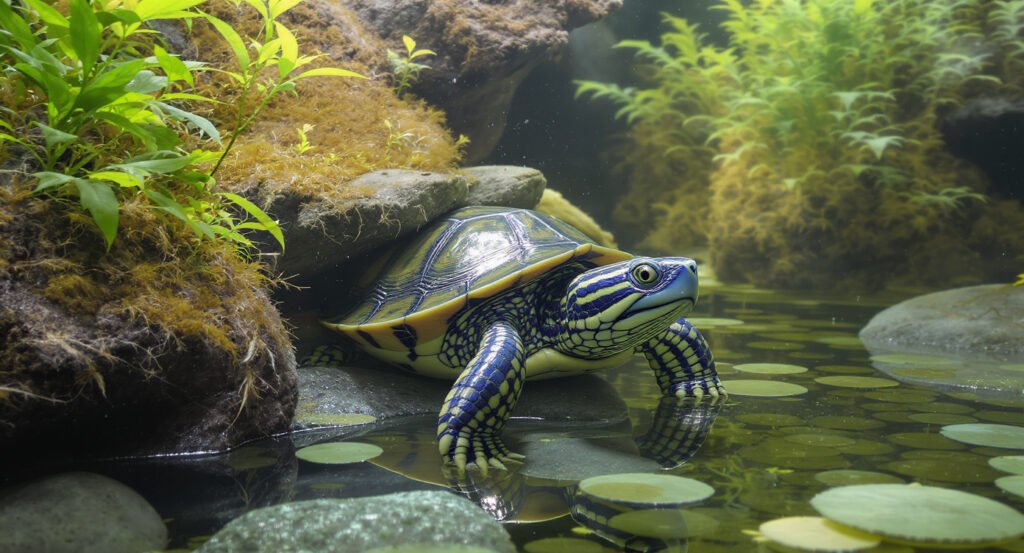
Red-eared sliders are among the most popular pet turtles in the world, known for their distinctive red markings and engaging personalities. However, these aquatic turtles require a properly designed habitat to thrive. Setting up the right environment from the start will ensure your red-eared slider lives a long, healthy life—potentially 20 to 40 years with proper care.
Understanding Red-Eared Slider Habitat Needs
Red-eared sliders are semi-aquatic turtles that spend most of their time in water but require a dry basking area to regulate body temperature and absorb essential UVB rays. In the wild, they inhabit ponds, lakes, and slow-moving rivers with abundant vegetation and sunny basking spots. Replicating these conditions in captivity is essential for their health and wellbeing.
Choosing the Right Tank Size
One of the most common mistakes beginners make is starting with a tank that’s too small. Red-eared sliders grow quickly and can reach 8 to 12 inches in shell length, with females typically growing larger than males.
Tank Size Guidelines
- Hatchlings (2-4 inches): Minimum 20-gallon tank, though 40 gallons is better for long-term use
- Juveniles (4-6 inches): 55-75 gallon tank
- Adults (6+ inches): 75-125 gallon tank, or larger if possible
A general rule of thumb is to provide 10 gallons of water per inch of shell length. Remember that your tiny hatchling will grow substantially within the first few years, so investing in a larger tank from the beginning will save you money and stress in the long run.
Worried About Your Reptile's Health?
Upload a photo and get instant AI health analysis. Catch problems before they become expensive vet bills.
Get Free Health Check →Essential Tank Equipment
Filtration System
Red-eared sliders are messy eaters and produce significant waste. A high-quality filtration system is absolutely crucial for maintaining water quality and preventing health issues.
- Choose a canister filter rated for at least double your tank’s water volume
- Turtle tanks require more powerful filtration than fish tanks
- Plan to clean or replace filter media according to manufacturer recommendations
- Consider a filter with both mechanical and biological filtration capabilities
Heating Equipment
Your red-eared slider needs two types of heating to maintain proper body temperature and metabolism.
Water Heater: Maintain water temperature between 75-80°F (24-27°C). Use an aquarium heater with a protective guard to prevent burns or damage from your turtle. Choose a heater rated for your tank size, typically 5 watts per gallon.
Basking Lamp: The basking area should reach 85-90°F (29-32°C). Use a heat lamp with a ceramic socket positioned over the basking platform. Avoid placing the lamp too close to prevent overheating or burns.
Never Miss Early Warning Signs
AI photo analysis catches subtle health issues humans miss 80% of the time. Early detection = healthier reptile + lower vet bills.
Start Free Trial →UVB Lighting
UVB light is non-negotiable for red-eared sliders. Without it, they cannot synthesize vitamin D3, which is essential for calcium absorption and shell health. This deficiency leads to metabolic bone disease, a serious and potentially fatal condition.
- Use a UVB bulb specifically designed for reptiles (10.0 or 5.0 UVB)
- Position the bulb 10-12 inches above the basking area
- Replace UVB bulbs every 6-12 months, even if they still produce visible light
- Provide a 12-hour light/dark cycle to mimic natural day-night patterns
Creating the Perfect Basking Area
Your turtle needs a completely dry platform where they can climb out of the water to bask. This area should be easily accessible with a gentle ramp or textured surface for grip.
Basking Platform Options
- Commercial turtle docks: Floating or suction-mounted platforms designed specifically for turtles
- DIY solutions: Stacked rocks, driftwood, or egg crate covered with silicone and sand
- Above-tank basking areas: Platforms that extend above the water line, maximizing swimming space
Ensure the basking area is large enough for your turtle to turn around comfortably and is positioned directly under the heat and UVB lamps.
Water Quality and Maintenance
Maintaining pristine water quality is one of your most important responsibilities as a red-eared slider owner.
Join thousands of successful reptile owners
Try ReptileCoach Free →Water Depth
Fill the tank with enough water for your turtle to swim comfortably—at least 1.5 times the length of your turtle’s shell. Adult red-eared sliders appreciate deeper water for diving and swimming.
Water Changes
- Perform 25-30% water changes weekly with a good filter
- More frequent changes may be needed without adequate filtration
- Use a dechlorinator to treat tap water before adding it to the tank
- Match the temperature of new water to existing tank water
Water Testing
Test your water parameters regularly using an aquarium test kit. Ideal parameters include pH of 6.5-8.0, ammonia at 0 ppm, nitrite at 0 ppm, and nitrate below 40 ppm.
Substrate Considerations
Many experienced keepers recommend a bare-bottom tank for red-eared sliders. This makes cleaning easier and eliminates the risk of substrate ingestion. If you prefer substrate for aesthetic reasons, use only large river rocks that cannot be swallowed.
Avoid gravel, small pebbles, and sand, as these can cause impaction if consumed.
"This app saved my bearded dragon's life. The AI caught early MBD in photos I thought looked completely normal. Worth every penny!"
— Sarah K., ReptileCoach User
Get Your Free 7-Day Trial →Additional Tank Decorations
While not strictly necessary, aquatic plants and hiding spots can enrich your turtle’s environment. Choose silk or live plants over plastic to prevent injury. Hardy aquatic plants like anacharis, java fern, and water lettuce can work well, though your turtle may eat them.
Provide hiding spots using driftwood, PVC pipes, or rock caves to help your turtle feel secure and reduce stress.
Ongoing Care and Monitoring
Setting up the tank is just the beginning. Regular maintenance and monitoring are essential for keeping your red-eared slider healthy.
Establish a care routine that includes daily feeding, weekly water changes, monthly deep cleaning, and regular health checks for signs of illness like shell rot, respiratory infections, or lethargy. Track your pet’s care schedule with our free app to ensure you never miss important maintenance tasks.
Worried About Your Reptile's Health?
Upload a photo and get instant AI health analysis. Catch problems before they become expensive vet bills.
Get Free Health Check →Common Setup Mistakes to Avoid
- Starting with a tank that’s too small
- Skipping UVB lighting or using inadequate bulbs
- Insufficient filtration leading to poor water quality
- Incorrect water or basking temperatures
- No dry basking area or inadequate access
- Using substrates that pose impaction risks
Final Thoughts
Creating the perfect red-eared slider habitat requires an initial investment of time and money, but the reward is a healthy, active turtle that will be your companion for decades. Focus on the essentials first: adequate space, proper filtration, correct heating and lighting, and a functional basking area. As you gain experience, you can refine and enhance your setup.
Remember that red-eared sliders are a long-term commitment. The effort you put into their habitat setup directly impacts their quality of life and longevity. By following this guide and staying committed to regular maintenance, you’ll provide your turtle with an environment where they can truly thrive.
Ready to Give Your Reptile the Best Care?
Stop guessing and start knowing. Get personalized AI-powered care guidance, photo health analysis, and 24/7 expert advice for YOUR specific reptile.
Get Personalized Care Guidance
AI-powered photo analysis and daily care tracking for YOUR reptile
Try Free for 7 Days →