Sand boas are among the most rewarding pet snakes for beginners. These small, docile constrictors are low-maintenance, rarely bite, and adapt well to captive life. If you’re considering your first reptile or want a manageable snake species, sand boas deserve serious consideration.
This comprehensive guide covers everything you need to know about sand boa care, from selecting the right species to setting up the perfect enclosure and maintaining your snake’s health.
What Are Sand Boas?
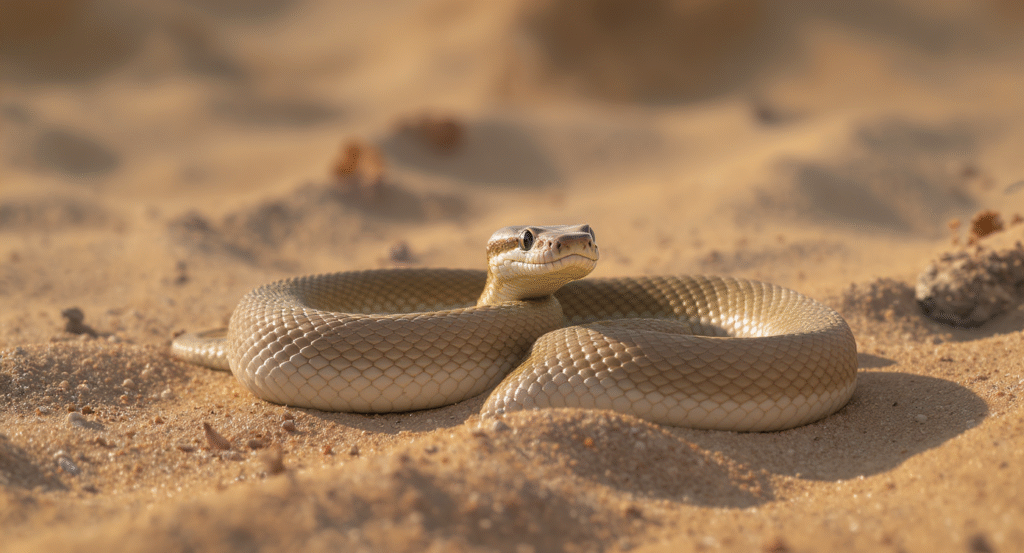
Sand boas belong to the genus Eryx and are small, burrowing snakes native to Africa, the Middle East, and Asia. The most common species in the pet trade is the Kenyan sand boa (Eryx colubrinus), prized for its gentle temperament and beautiful color morphs.
Adult sand boas typically reach 18-24 inches in length, with females being larger than males. Their cylindrical bodies, blunt tails, and small eyes are adaptations for their fossorial (burrowing) lifestyle. Unlike many snake species, sand boas spend most of their time buried in substrate, emerging primarily to hunt or bask.
Worried About Your Reptile's Health?
Upload a photo and get instant AI health analysis. Catch problems before they become expensive vet bills.
Get Free Health Check →Choosing Your Sand Boa
When selecting a sand boa, purchase from reputable breeders rather than wild-caught specimens. Captive-bred snakes are healthier, parasite-free, and already acclimated to captivity. Look for these signs of health:
- Clear, bright eyes without discharge
- Smooth scales without retained shed
- Alert behavior and tongue-flicking
- Well-rounded body without visible ribs or spine
- Clean vent area with no signs of mites
Ask the breeder about the snake’s feeding history. A juvenile that’s consistently eating frozen-thawed rodents is ideal for beginners.
Setting Up The Perfect Enclosure
Sand boas don’t require elaborate setups, but getting the basics right ensures a healthy, stress-free snake.
Enclosure Size
A 10-gallon tank works for juveniles, while adults thrive in 20-gallon long enclosures. Sand boas are terrestrial and don’t climb, so floor space matters more than height. Ensure the enclosure has a secure, escape-proof lid.
Never Miss Early Warning Signs
AI photo analysis catches subtle health issues humans miss 80% of the time. Early detection = healthier reptile + lower vet bills.
Start Free Trial →Substrate
Since sand boas are natural burrowers, substrate choice is critical. Aspen shavings are the gold standard—affordable, safe if ingested, and excellent for burrowing. Provide at least 3-4 inches of depth. Avoid sand despite the snake’s name, as it can cause impaction if ingested during feeding.
Temperature and Heating
Maintain a thermal gradient with a warm side at 88-92°F and a cool side at 75-80°F. Use an under-tank heating pad or heat tape covering one-third of the enclosure floor, always controlled by a thermostat to prevent burns. Sand boas don’t require basking lights, and excessive lighting can stress these secretive snakes.
Hides and Enrichment
Provide at least one hide on each end of the thermal gradient. Since your snake will spend most time buried, simple half-log hides work perfectly. A water dish large enough for soaking should always be available and refreshed every 2-3 days.
Feeding Your Sand Boa
Sand boas are ambush predators with straightforward feeding requirements. Feed juveniles appropriately-sized frozen-thawed mice every 5-7 days. Adults eat every 10-14 days. The prey item should be roughly the same width as the snake’s thickest body part.
Join thousands of successful reptile owners
Try ReptileCoach Free →Most sand boas feed readily on frozen-thawed rodents, which is safer than live prey and more convenient. Thaw prey in warm water and use feeding tongs to offer it. Many keepers prefer feeding in the enclosure, as sand boas may regurgitate if moved after eating.
After feeding, leave your snake alone for 48 hours to digest properly. Handle too soon and you risk regurgitation, which is stressful and potentially dangerous for the snake.
Handling and Temperament
Sand boas are renowned for their docile nature. They rarely bite and tolerate handling well once acclimated. Start with brief 5-10 minute sessions a few times per week, gradually increasing duration as your snake becomes comfortable.
Support the snake’s body fully and avoid sudden movements. Remember that sand boas are naturally secretive—if your snake seems stressed, respect its boundaries and try again later. Most sand boas become quite handleable with regular, gentle interaction.
"This app saved my bearded dragon's life. The AI caught early MBD in photos I thought looked completely normal. Worth every penny!"
— Sarah K., ReptileCoach User
Get Your Free 7-Day Trial →Health and Maintenance
Sand boas are hardy snakes with few health issues when cared for properly. Watch for these common problems:
- Respiratory infections: Signs include wheezing, mucus around the nose, and open-mouth breathing. Usually caused by temperatures that are too low.
- Mites: Tiny black or red parasites visible on the snake or in water. Require immediate treatment.
- Stuck shed: Ensure humidity is adequate during shedding (around 50-60%). Provide a humid hide if needed.
- Obesity: Common in captive sand boas. Avoid overfeeding and ensure prey size is appropriate.
Spot-clean waste immediately and perform complete substrate changes every 4-6 weeks. Disinfect water dishes weekly and inspect your snake during handling for any health concerns.
Common Mistakes to Avoid
New sand boa keepers often make these preventable errors:
- Using loose substrate without a feeding dish, leading to impaction
- Overfeeding, causing obesity and shortened lifespan
- Inadequate temperature regulation without a thermostat
- Housing multiple sand boas together (they’re solitary and may stress each other)
- Handling too frequently, especially after feeding
Why Sand Boas Make Great First Snakes
Sand boas check every box for beginner-friendly reptiles. They’re small enough to house easily, feed readily on frozen-thawed prey, rarely have health issues, and possess gentle temperaments. Their modest space requirements and minimal daily care make them perfect for busy keepers or those with limited space.
Worried About Your Reptile's Health?
Upload a photo and get instant AI health analysis. Catch problems before they become expensive vet bills.
Get Free Health Check →Unlike ball pythons, which can be finicky eaters, or corn snakes, which require larger enclosures, sand boas remain manageable throughout their 15-20 year lifespan. They’re also less expensive to maintain than many reptile species.
Take Your Reptile Keeping to the Next Level
Whether you’re preparing for your first sand boa or already enjoying these wonderful snakes, tracking care routines and monitoring health is essential for long-term success. ReptileCoach’s comprehensive app helps you schedule feedings, track sheds, log weights, and receive personalized care reminders—ensuring your sand boa thrives for years to come.
Sand boas prove that great things come in small packages. With proper care, these charming snakes become docile companions that bring the fascinating world of reptiles into your home without overwhelming demands. Start your sand boa journey with confidence, knowing you have the knowledge to provide excellent care.
Ready to Give Your Reptile the Best Care?
Stop guessing and start knowing. Get personalized AI-powered care guidance, photo health analysis, and 24/7 expert advice for YOUR specific reptile.
Get Personalized Care Guidance
AI-powered photo analysis and daily care tracking for YOUR reptile
Try Free for 7 Days →