
Sand Boa Care: Everything You Need to Know About Keeping Eryx colubrinus
Sand boa care is one of the most rewarding experiences in the reptile hobby. These small, docile, and visually stunning snakes have become increasingly popular among both beginners and seasoned keepers. Whether you’re just getting started or looking to refine your husbandry, this comprehensive sand boa care guide covers everything from enclosure setup and feeding to handling tips and popular morphs.
Species Overview: What Is a Sand Boa?
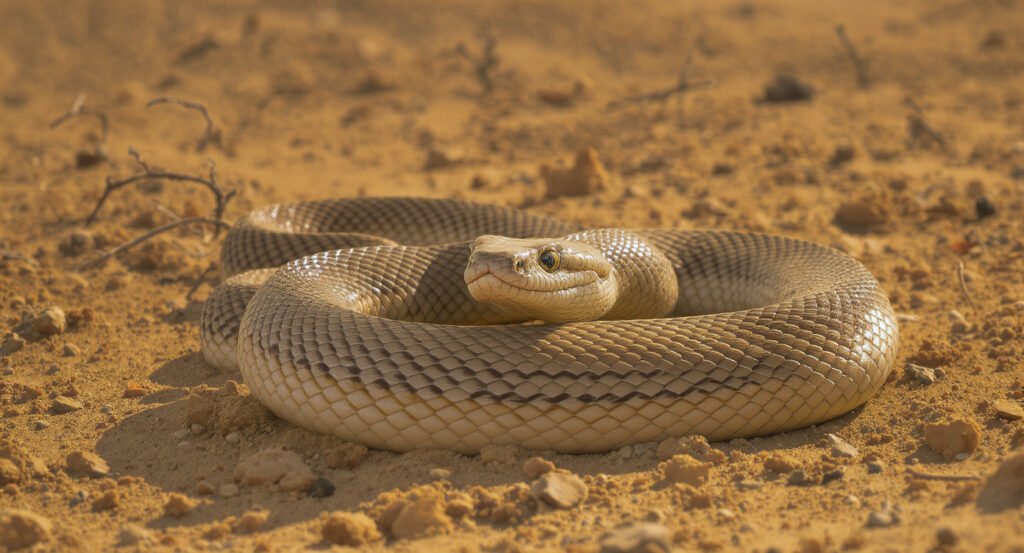
The Egyptian sand boa (Eryx colubrinus) is a small, stout-bodied constrictor native to the arid regions of East Africa and parts of the Middle East. In the wild, these snakes spend the majority of their time buried beneath loose sand or soil, ambushing prey from below. Adults typically reach 24 to 36 inches in length, with females growing considerably larger than males. Their compact size, low maintenance requirements, and calm temperament make them an ideal choice for reptile keepers of all experience levels.
Sand boas are known for their distinctive upturned snout — a natural adaptation for burrowing — and their striking pattern of orange, yellow, or brown blotches against a lighter background. With proper sand boa care, these snakes can live 20 to 30 years in captivity, making them a long-term commitment and companion.
Setting Up the Perfect Sand Boa Enclosure
Tank Size
One of the most important aspects of sand boa care is providing an appropriately sized enclosure. A single adult sand boa does well in a 20-gallon enclosure (approximately 30″ x 12″ x 12″). Juveniles can be started in a 10-gallon setup and upgraded as they grow. While sand boas are not highly active snakes, they do appreciate enough floor space to explore and thermoregulate effectively. Avoid excessively tall enclosures, as sand boas are terrestrial and spend very little time climbing.
Worried About Your Reptile's Health?
Upload a photo and get instant AI health analysis. Catch problems before they become expensive vet bills.
Get Free Health Check →Front-opening terrariums are preferred by many keepers because they allow for less disruptive access and reduce stress during feeding and handling. Ensure the enclosure has a secure, escape-proof lid, as sand boas are surprisingly strong for their size.
Substrate Choices
Choosing the right substrate is a critical component of sand boa care. In the wild, these snakes burrow constantly, so providing a suitable digging medium is essential for their physical and psychological well-being. The two most popular substrate options are:
- Loose play sand: A deep layer of washed, reptile-safe play sand (4 to 6 inches) closely mimics the snake’s natural environment and allows for full burrowing behavior.
- Aspen shavings: A widely used alternative that is easy to spot-clean, resistant to mold, and widely available. Aspen also allows for burrowing and is a great option for keepers concerned about respiratory issues with sand.
Avoid cedar or pine shavings, as the aromatic oils are toxic to reptiles. Coconut fiber can also be used but may be too damp for a desert species unless mixed with sand.
Temperature and Lighting Requirements
Proper thermal gradients are non-negotiable in sand boa care. Like all reptiles, sand boas are ectotherms and rely on external heat sources to regulate their body temperature. Here are the recommended temperature ranges:
Never Miss Early Warning Signs
AI photo analysis catches subtle health issues humans miss 80% of the time. Early detection = healthier reptile + lower vet bills.
Start Free Trial →- Hot side (basking area): 85–90°F (29–32°C)
- Cool side: 70–75°F (21–24°C)
- Nighttime temperature: No lower than 68°F (20°C)
Under-tank heating mats paired with a quality thermostat are the most popular method for heating sand boa enclosures. Since sand boas spend most of their time buried in substrate, belly heat is especially important. Always use a thermostat to prevent overheating, which can be fatal. A digital thermometer with a probe placed on each side of the enclosure ensures accurate monitoring.
Sand boas do not require UVB lighting, though providing a low-level light source on a 12-hour cycle can help establish a natural day-night rhythm. Avoid placing the enclosure in direct sunlight, which can cause dangerous temperature spikes.
Feeding Your Sand Boa
Feeding is one of the most enjoyable parts of sand boa care. These snakes are typically enthusiastic eaters with a strong feeding response. In captivity, sand boas should be fed frozen/thawed mice exclusively. Live prey should be avoided, as it can injure your snake and poses unnecessary risks.
Feeding guidelines by age:
Join thousands of successful reptile owners
Try ReptileCoach Free →- Juveniles: One appropriately sized pinky or fuzzy mouse every 5 to 7 days
- Sub-adults: One mouse every 7 to 10 days
- Adults: One appropriately sized mouse every 10 to 14 days
The prey item should be no wider than the widest part of the snake’s body. Always use feeding tongs to offer food, which helps prevent accidental strikes. Feed your sand boa in its enclosure to minimize stress — unlike some species, sand boas generally do not require a separate feeding container. Remove any uneaten prey after 24 hours.
Handling and Temperament
Sand boas are generally docile and tolerate handling well once they have settled into their new home. For newly acquired snakes, allow at least 7 to 10 days before attempting to handle, and wait 48 hours after feeding before any interaction. This reduces regurgitation risk and allows your snake to feel secure.
When handling, support the snake’s body fully and move slowly. Sand boas may initially be a bit squirmy or defensive, but with consistent, gentle handling sessions of 10 to 15 minutes, most individuals become very calm. Their small size and manageable temperament make them excellent snakes for children and first-time owners under adult supervision.
Avoid handling during shedding (when the snake’s eyes appear blue or milky) as this can cause stress and damage the shed.
"This app saved my bearded dragon's life. The AI caught early MBD in photos I thought looked completely normal. Worth every penny!"
— Sarah K., ReptileCoach User
Get Your Free 7-Day Trial →Popular Sand Boa Morphs
The sand boa morph market has exploded in recent years, offering keepers a stunning variety of color and pattern options. Some of the most sought-after morphs include:
- Anerythristic: Lacks the orange and red pigmentation, resulting in a striking black, white, and gray pattern.
- Snow: A combination of anerythristic and albino genes, producing a beautiful white-and-yellow snake that brightens with age.
- Paradox: One of the most unique and unpredictable morphs, featuring random splashes of contrasting color that make every animal a one-of-a-kind specimen.
Other popular morphs include albino, rufescens, stripe, and nuclear. Regardless of which morph you choose, the fundamentals of sand boa care remain the same across all variants.
Health and Common Concerns
Sand boas are hardy snakes with few major health problems when kept in proper conditions. Common issues to watch for include retained shed (dysecdysis), respiratory infections (often caused by excessive humidity), and mites. Ensure your enclosure humidity stays relatively low — around 30 to 40% — to prevent respiratory issues. A shallow water dish should always be available for drinking but should not significantly raise humidity levels.
Schedule an annual wellness check with a reptile-experienced veterinarian, and quarantine any new animals before introducing them to a multi-snake household.
Worried About Your Reptile's Health?
Upload a photo and get instant AI health analysis. Catch problems before they become expensive vet bills.
Get Free Health Check →Track Your Sand Boa’s Health with ReptileCoach
Keep track of your sand boa’s feeding and shedding schedule with ReptileCoach App — free for all reptile owners.
Final Thoughts on Sand Boa Care
Sand boa care is straightforward, affordable, and deeply rewarding. With a proper enclosure, the right substrate, appropriate temperatures, a consistent feeding schedule of frozen/thawed mice, and regular gentle handling, your Eryx colubrinus will thrive for decades. Whether you’re drawn to the classic wild-type coloration or the breathtaking appearance of a snow or paradox morph, the sand boa is a snake that consistently delivers on personality, beauty, and ease of care.
Ready to Give Your Reptile the Best Care?
Stop guessing and start knowing. Get personalized AI-powered care guidance, photo health analysis, and 24/7 expert advice for YOUR specific reptile.
Get Personalized Care Guidance
AI-powered photo analysis and daily care tracking for YOUR reptile
Try Free for 7 Days →