
The Ultimate Tegu Care Guide for Beginner and Experienced Keepers
If you’re looking for a large, intelligent, and interactive reptile companion, the tegu lizard is one of the most rewarding options available. This comprehensive tegu care guide covers everything you need to know — from enclosure setup and diet to handling tips and long-term health. Whether you’re considering your first tegu or refining your husbandry, read on to give your lizard the best possible life.
Tegu Lizard Species Overview
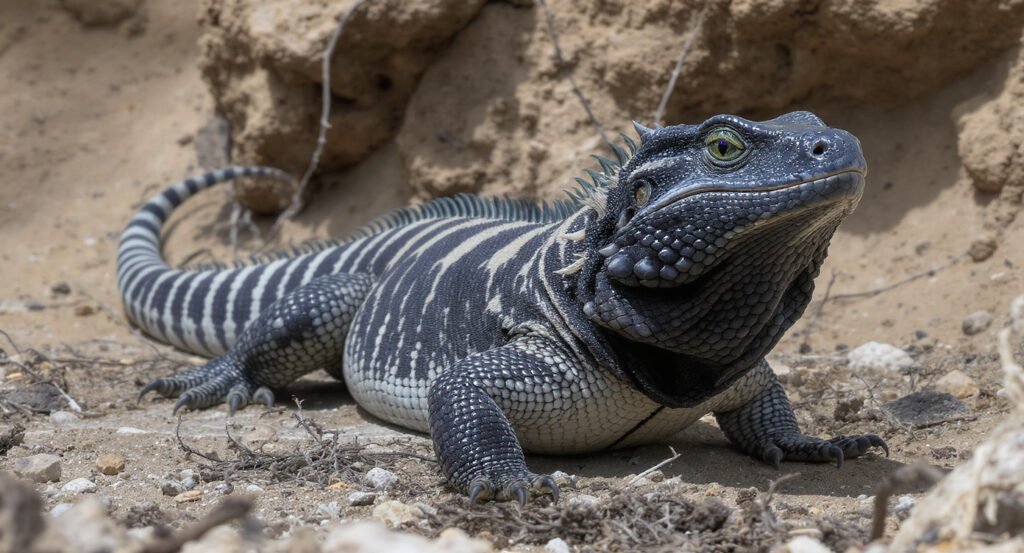
Tegus belong to the family Teiidae and are native to South America. The most commonly kept species in captivity include the Argentine Black and White Tegu (Salvator merianae), the Argentine Red Tegu (Salvator rufescens), and the Colombian Gold Tegu (Tupinambis teguixin). Among these, the Argentine Black and White Tegu is by far the most popular due to its docile temperament and widespread availability.
Tegus are large, robust lizards that can reach 4 to 5 feet in length as adults, with males typically growing larger than females. They are highly intelligent for reptiles, capable of recognizing their owners and even displaying affection-like behavior when properly socialized. Their curiosity, responsiveness, and dog-like personality make them a favorite among serious reptile enthusiasts.
Enclosure Size and Setup
Minimum Enclosure Dimensions
One of the most important aspects of any tegu care guide is getting the enclosure right. Adult tegus require significant space to thrive. The minimum recommended enclosure size for a fully grown tegu is 8 feet long x 4 feet wide x 4 feet tall. Juveniles can be started in smaller enclosures, but you should plan to upgrade as they grow rapidly during their first two to three years.
Worried About Your Reptile's Health?
Upload a photo and get instant AI health analysis. Catch problems before they become expensive vet bills.
Get Free Health Check →Many keepers opt to build custom wooden enclosures or convert entire rooms into tegu habitats. The extra space allows tegus to express natural behaviors like exploring, burrowing, and thermoregulating properly. A cramped enclosure leads to stress, aggression, and health problems — so bigger is always better with tegus.
Substrate and Enrichment
Tegus are natural burrowers, so providing a deep substrate layer is essential. A mixture of topsoil, coconut coir, and cypress mulch works excellently, ideally 6 to 12 inches deep. This allows your tegu to burrow, which supports both physical and mental well-being. Add hides, cork bark, logs, and climbing structures to create an enriched environment that keeps your tegu mentally stimulated.
Temperature Gradient Requirements
Proper thermal gradients are non-negotiable in any tegu care guide. Tegus are ectothermic, meaning they rely on external heat sources to regulate their body temperature. Your enclosure should feature a clear warm side, a cool side, and a dedicated basking spot.
- Basking spot temperature: 95–100°F (35–38°C)
- Warm side ambient temperature: 85–90°F (29–32°C)
- Cool side ambient temperature: 75–80°F (24–27°C)
- Nighttime temperature: Should not drop below 70°F (21°C)
Use high-quality ceramic heat emitters, halogen flood bulbs, or radiant heat panels to achieve these temperatures. Always verify temperatures using digital thermometers with probes or an infrared temperature gun. Inadequate basking temperatures impair digestion and immune function, so consistent monitoring is critical.
Never Miss Early Warning Signs
AI photo analysis catches subtle health issues humans miss 80% of the time. Early detection = healthier reptile + lower vet bills.
Start Free Trial →Humidity Levels
Tegus come from humid subtropical and tropical environments, so maintaining proper humidity is essential for healthy skin, successful sheds, and respiratory health. Target a humidity range of 60–80% inside the enclosure. The deep, moisture-retaining substrate helps significantly, but you may also need to mist the enclosure daily or use a fogger or humidifier depending on your local climate. Always ensure there is adequate ventilation to prevent bacterial and fungal growth from stagnant moisture.
Tegu Diet: What to Feed Your Lizard
Whole Prey Items
Tegus are omnivores with hearty appetites. A high-quality diet closely mimicking what they would eat in the wild is key to long-term health. Whole prey items such as mice, rats, chicks, quail, and other appropriately sized feeders should form the backbone of an adult tegu’s diet. Whole prey provides essential nutrients, calcium-to-phosphorus ratios, and organ content that is difficult to replicate with processed foods alone.
Fruits, Eggs, and Other Foods
In addition to whole prey, tegus enjoy and benefit from a variety of other foods. Eggs — whole raw eggs including the shell — are an excellent calcium-rich supplement. Offer fruits such as strawberries, blueberries, mango, papaya, and melon as occasional treats. You can also incorporate lean ground turkey, organ meats, and commercially prepared tegu diets. Avoid feeding dog or cat food regularly, as the preservatives and additives can cause long-term health issues.
Juveniles should be fed daily to support their rapid growth, while adults can be fed every two to three days. Always dust prey items with a high-quality calcium supplement a few times per week to prevent metabolic bone disease.
Join thousands of successful reptile owners
Try ReptileCoach Free →Handling and Taming Your Tegu
One of the most rewarding aspects of tegu ownership is building a trusting relationship with your lizard. Tegus that are handled consistently from a young age become remarkably tame and can even be allowed to roam freely in supervised settings.
Start with short, frequent handling sessions of 5 to 10 minutes when your tegu is young. Allow your tegu to approach you on its own terms initially, using food as a positive association tool. Support the body fully when lifting, as tegus feel insecure when unsupported. Over time, most tegus become comfortable sitting on their owner’s lap, exploring rooms, and responding to their name.
Be patient — some tegus take weeks or months to fully relax around humans. Never grab a tegu from above, as this mimics a predator attack and will set back your taming progress significantly. Consistency and gentle persistence are the keys to a socialized tegu.
Lifespan and Long-Term Commitment
Before acquiring a tegu, it’s vital to understand the long-term commitment involved. With proper care, tegus can live 15 to 20 years in captivity. This means your tegu will likely be with you for decades, requiring consistent feeding, veterinary care, and daily interaction throughout its life. Annual wellness exams with a reptile-experienced veterinarian are strongly recommended to catch health issues early and keep up with parasite screenings.
"This app saved my bearded dragon's life. The AI caught early MBD in photos I thought looked completely normal. Worth every penny!"
— Sarah K., ReptileCoach User
Get Your Free 7-Day Trial →Common Health Concerns
Tegus are generally hardy when kept in proper conditions, but there are a few health issues to watch for. Metabolic bone disease results from inadequate calcium or UVB lighting. Respiratory infections can develop from improper humidity or temperature. Parasites are common in wild-caught animals and should be screened for upon acquisition. Obesity is also a concern in adult tegus that are overfed — maintain a lean, active body condition through portion control and supervised free-roaming exercise.
Final Thoughts on Tegu Care
The tegu lizard is a truly exceptional reptile — intelligent, interactive, and capable of forming genuine bonds with their owners. By following this tegu care guide and committing to proper enclosure conditions, nutrition, and socialization, you can provide your tegu with a long, healthy, and enriched life. The investment in setup costs and daily care pays off immensely in the form of one of the most personable reptile companions you can own.
Track your tegu’s health and feeding schedule with ReptileCoach App — free for all reptile owners.
Ready to Give Your Reptile the Best Care?
Stop guessing and start knowing. Get personalized AI-powered care guidance, photo health analysis, and 24/7 expert advice for YOUR specific reptile.
Get Personalized Care Guidance
AI-powered photo analysis and daily care tracking for YOUR reptile
Try Free for 7 Days →