
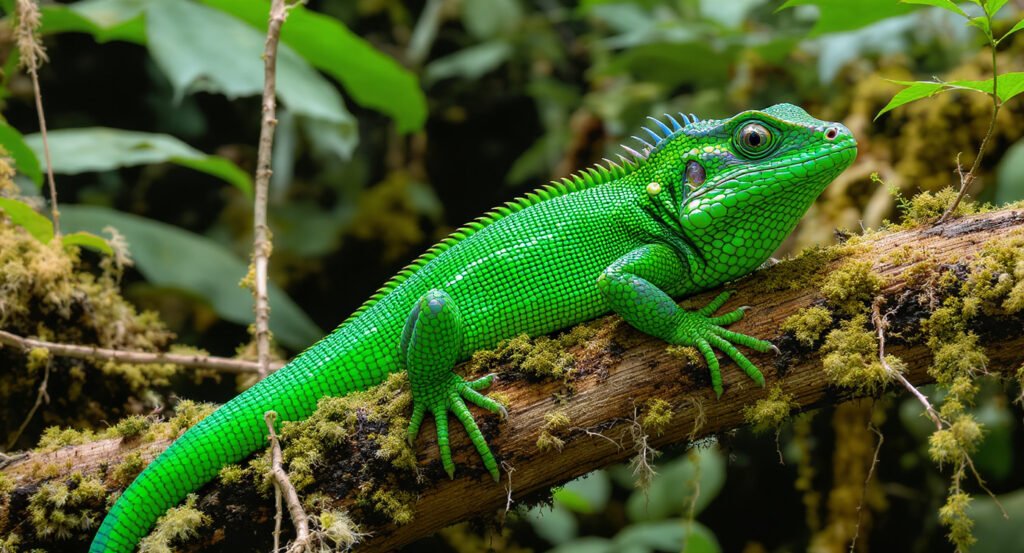
Water dragons are stunning reptiles that captivate enthusiasts with their vibrant green coloration and impressive size. These semi-aquatic lizards, native to Southeast Asia and Australia, make rewarding pets for dedicated keepers willing to meet their specific care requirements. This comprehensive guide covers everything you need to know about water dragon care, from habitat setup to health management.
Understanding Water Dragons
Chinese water dragons (Physignathus cocincinus) and Australian water dragons (Intellagama lesueurii) are the two most common species in the pet trade. Both species can grow 2-3 feet in length, with males typically larger than females. These arboreal and semi-aquatic reptiles require spacious enclosures that accommodate both their climbing instincts and love of water.
Habitat Setup: Creating the Perfect Environment
Proper habitat setup is crucial for water dragon health and wellbeing. These active lizards need substantial space to thrive.
Enclosure Size
Adult water dragons require large enclosures. The minimum recommended size is:
Worried About Your Reptile's Health?
Upload a photo and get instant AI health analysis. Catch problems before they become expensive vet bills.
Get Free Health Check →- 6 feet long × 3 feet wide × 6 feet tall for a single adult
- Larger enclosures are always better for these active reptiles
- Juveniles can start in smaller setups but will quickly outgrow them
- Custom-built enclosures often work best for meeting size requirements
Substrate and Furnishings
Choose substrates that retain humidity while remaining easy to clean:
- Cypress mulch or coconut fiber work well
- Avoid sand, gravel, or other particulate substrates that pose impaction risks
- Paper towels or reptile carpet are safe alternatives for juveniles
Furnish the enclosure with:
- Multiple sturdy branches for climbing and basking
- Live or artificial plants for cover and humidity retention
- A large water feature for swimming and soaking (at least one-third of floor space)
- Hide boxes at various temperature zones
Temperature and Humidity Requirements
Maintaining proper temperature gradients and humidity levels is essential for water dragon health.
Temperature Zones
Create distinct temperature zones within the enclosure:
Never Miss Early Warning Signs
AI photo analysis catches subtle health issues humans miss 80% of the time. Early detection = healthier reptile + lower vet bills.
Start Free Trial →- Basking spot: 90-95°F (32-35°C)
- Warm side: 84-88°F (29-31°C)
- Cool side: 75-80°F (24-27°C)
- Nighttime: 70-75°F (21-24°C)
Use a combination of heat lamps, ceramic heat emitters, and under-tank heaters to achieve these temperatures. Always monitor temperatures with reliable digital thermometers placed at multiple locations.
Humidity Control
Water dragons require high humidity levels of 70-80%. Maintain proper humidity through:
- Large water features that increase ambient moisture
- Regular misting 2-3 times daily
- Moisture-retaining substrates
- Live plants that transpire water
- Proper ventilation to prevent stagnant air and bacterial growth
Use a digital hygrometer to monitor humidity levels accurately.
Lighting: UVB and Photoperiod
Proper lighting is non-negotiable for water dragon health. Provide:
Join thousands of successful reptile owners
Try ReptileCoach Free →- High-quality UVB lighting (10-12% UVB output) for 10-12 hours daily
- Replace UVB bulbs every 6-12 months even if still producing visible light
- Position UVB lights 12-18 inches from basking spots
- Maintain a consistent day/night cycle
Diet and Nutrition
Water dragons are omnivores requiring varied diets for optimal health.
Protein Sources
Offer appropriately-sized insects and occasional protein items:
- Crickets, dubia roaches, and black soldier fly larvae as staples
- Superworms, hornworms, and silkworms as treats
- Occasional pinkie mice for adults (once monthly)
- All insects should be gut-loaded before feeding
Plant Matter
Include fresh vegetables and fruits daily:
- Collard greens, mustard greens, and dandelion greens
- Butternut squash, green beans, and snap peas
- Occasional fruits like berries, mango, and papaya (10% of diet)
- Avoid spinach, lettuce, and other low-nutrition options
Supplementation
Dust food with supplements:
"This app saved my bearded dragon's life. The AI caught early MBD in photos I thought looked completely normal. Worth every penny!"
— Sarah K., ReptileCoach User
Get Your Free 7-Day Trial →- Calcium with D3: 2-3 times weekly for adults, daily for juveniles
- Multivitamin: once weekly
- Adjust supplementation based on UVB exposure and diet composition
Handling and Temperament
Water dragons can become docile with proper handling but require patience and respect.
Start handling sessions short and gradually increase duration. Support the entire body, especially the chest and hindquarters. Never grab by the tail, which can detach as a defense mechanism. Allow new water dragons several weeks to acclimate before regular handling.
Signs of stress include:
- Aggressive tail whipping
- Attempting to flee or hide
- Dark coloration
- Refusing food
Respect these signals and give your water dragon space when stressed.
Worried About Your Reptile's Health?
Upload a photo and get instant AI health analysis. Catch problems before they become expensive vet bills.
Get Free Health Check →Common Health Issues
Awareness of common health problems helps you provide proactive care.
Metabolic Bone Disease (MBD)
Caused by insufficient calcium, vitamin D3, or UVB exposure. Symptoms include:
- Soft or deformed bones
- Lethargy and weakness
- Tremors or seizures
- Difficulty moving or climbing
Prevention through proper UVB lighting and supplementation is essential.
Respiratory Infections
Result from improper temperatures or humidity. Watch for:
Never Miss Early Warning Signs
AI photo analysis catches subtle health issues humans miss 80% of the time. Early detection = healthier reptile + lower vet bills.
Start Free Trial →- Labored breathing or wheezing
- Mucus around nostrils or mouth
- Lethargy and loss of appetite
Maintain proper environmental parameters and seek veterinary care if symptoms appear.
Parasites
Both internal and external parasites can affect water dragons. Annual fecal examinations by a reptile veterinarian help detect and treat parasitic infections early.
Snout Damage
Water dragons may rub their snouts against enclosure walls, causing injury. Provide adequate space, visual barriers, and enrichment to prevent this behavior.
Take Your Water Dragon Care to the Next Level
Caring for water dragons requires dedication, proper equipment, and consistent monitoring of environmental parameters and health indicators. Success comes from understanding their natural history and replicating those conditions in captivity.
Join thousands of successful reptile owners
Try ReptileCoach Free →Ready to streamline your water dragon care routine? Track your water dragon care with ReptileCoach, the comprehensive app designed for reptile enthusiasts. Monitor feeding schedules, track growth, log health observations, and set reminders for maintenance tasks—all in one convenient platform. Join thousands of reptile keepers who trust ReptileCoach to help them provide the best possible care for their scaly companions.
Ready to Give Your Reptile the Best Care?
Stop guessing and start knowing. Get personalized AI-powered care guidance, photo health analysis, and 24/7 expert advice for YOUR specific reptile.
Get Personalized Care Guidance
AI-powered photo analysis and daily care tracking for YOUR reptile
Try Free for 7 Days →