
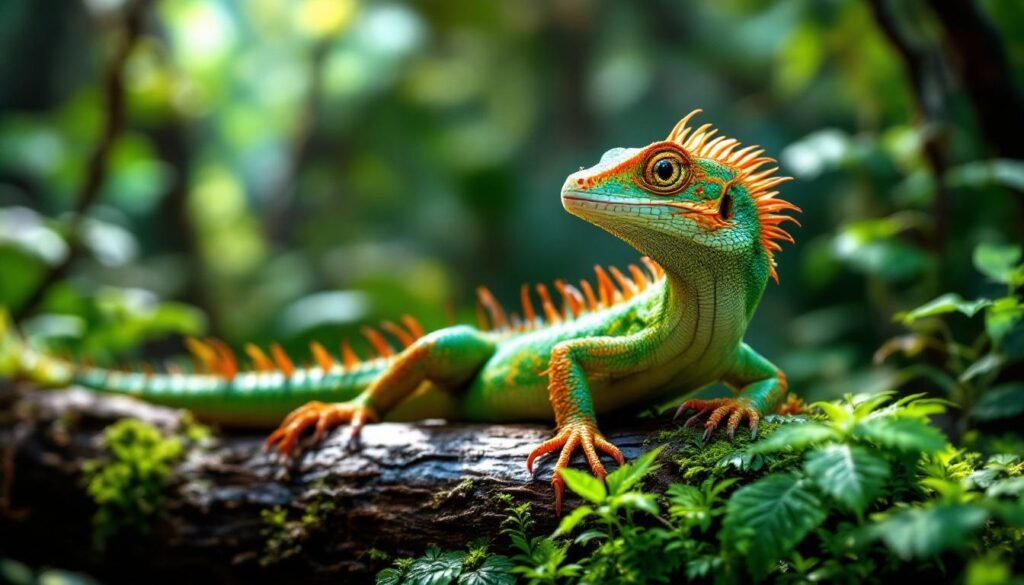
Water dragons are among the most rewarding reptiles you can keep. With their vivid green scales, alert eyes, and active personalities, these lizards make stunning display animals for dedicated reptile keepers. However, proper water dragon care requires a solid understanding of their habitat needs, diet, and health requirements. This guide covers everything you need to know to keep your water dragon thriving for years to come.
Choosing the Right Enclosure for Your Water Dragon
One of the most important aspects of water dragon care is providing a spacious, well-designed enclosure. Water dragons are large, active lizards — adult Chinese water dragons (Physignathus cocincinus) can reach 2–3 feet in length — so they need plenty of room to move, climb, and swim.
Enclosure Size and Setup
- Juveniles: A 40–55 gallon terrarium is suitable for young water dragons up to 12 inches.
- Adults: Aim for a custom or commercial enclosure measuring at least 6 feet tall × 4 feet wide × 3 feet deep. Vertical space is critical since water dragons are arboreal climbers.
- Material: Screen-sided enclosures lose humidity too quickly. A glass or PVC enclosure with front-opening doors helps maintain proper environmental conditions.
Include multiple climbing branches, live or artificial plants, and a large water feature. Water dragons love to soak and swim, so a shallow pool or trough large enough for your lizard to fully submerge is essential. Use a reliable water filtration system to keep the water clean and reduce bacterial buildup.
Temperature and Lighting Requirements
Getting the temperature and lighting right is non-negotiable for healthy water dragon care. These reptiles are ectotherms, meaning they rely entirely on their environment to regulate body temperature.
Worried About Your Reptile's Health?
Upload a photo and get instant AI health analysis. Catch problems before they become expensive vet bills.
Get Free Health Check →Temperature Gradient
- Basking spot: 90–95°F (32–35°C)
- Warm side ambient: 80–85°F (27–29°C)
- Cool side ambient: 75–80°F (24–27°C)
- Nighttime low: No lower than 70°F (21°C)
Use a quality digital thermometer with probes on both ends of the enclosure to monitor your gradient accurately. A combination of a halogen basking bulb and a ceramic heat emitter works well for maintaining consistent temperatures day and night.
UVB Lighting
Water dragons require strong UVB exposure to synthesize vitamin D3 and metabolize calcium properly. Without adequate UVB, they are at serious risk of metabolic bone disease (MBD). Use a high-output linear UVB bulb rated T5 HO, such as a 6% or 12% UVB lamp, positioned within 12–18 inches of your dragon’s basking area. Replace UVB bulbs every 6–12 months even if they are still producing visible light, as UV output degrades over time.
Humidity: Keeping It Tropical
Water dragons originate from humid, tropical rainforest environments in Southeast Asia and Australia. Maintaining proper humidity is a cornerstone of good water dragon care.
- Target humidity: 70–80% throughout the enclosure
- How to achieve it: Mist the enclosure 2–3 times daily, use a large water feature, and choose moisture-retaining substrates like coconut fiber, organic topsoil, or a bioactive mix.
- Monitor with a digital hygrometer to ensure humidity stays within the correct range.
Low humidity can lead to incomplete sheds, respiratory issues, and dehydration — all of which are preventable with the right setup and consistent husbandry routines.
Never Miss Early Warning Signs
AI photo analysis catches subtle health issues humans miss 80% of the time. Early detection = healthier reptile + lower vet bills.
Start Free Trial →Water Dragon Diet: What to Feed and How Often
A varied, nutrient-rich diet is essential for water dragon health. In the wild, these omnivores eat insects, small fish, vegetation, and occasionally small vertebrates. Replicating this diversity in captivity keeps your dragon healthy and mentally stimulated.
Protein Sources (Primary Diet)
- Crickets, dubia roaches, black soldier fly larvae
- Hornworms and silkworms (excellent for hydration)
- Waxworms (as occasional treats only — high in fat)
- Small feeder fish or earthworms
Vegetables and Fruits (20–30% of Diet)
- Collard greens, mustard greens, dandelion leaves
- Butternut squash, bell peppers, snap peas
- Blueberries, mango, and papaya as occasional treats
Dust feeder insects with a quality calcium supplement (without D3) at most feedings, and use a multivitamin supplement with D3 once or twice a week. Juveniles should be fed daily; adults can be fed every 1–2 days. Always remove uneaten food promptly to keep the enclosure sanitary.
Handling and Socialization
Water dragons can become quite tame with consistent, gentle handling. However, they are more delicate than bearded dragons and should be approached carefully — especially juveniles, who are prone to stress and glass surfing.
- Start with short handling sessions of 5–10 minutes and gradually increase duration as your dragon becomes comfortable.
- Always support the body fully and avoid restraining the tail — water dragons can drop their tails (tail autotomy), though it will regrow over time.
- Watch for signs of stress: darkening color, gaping, rapid breathing, or attempting to flee repeatedly.
- Never handle a water dragon that is in shed, immediately after eating, or showing signs of illness.
With patience and positive associations, many water dragons become relaxed and curious companions who enjoy supervised time outside their enclosure.
Join thousands of successful reptile owners
Try ReptileCoach Free →Common Health Issues to Watch For
Even with excellent water dragon care, health issues can arise. Knowing the warning signs allows you to act quickly and consult a reptile-savvy veterinarian.
- Metabolic Bone Disease (MBD): Caused by calcium deficiency or insufficient UVB. Signs include soft or deformed bones, tremors, and lethargy.
- Rostral (Snout) Abrasions: Water dragons frequently injure their snouts by rubbing against enclosure walls. Use visual barriers like backgrounds or plants to reduce this behavior.
- Respiratory Infections: Often caused by low temperatures or excessive humidity with poor ventilation. Symptoms include wheezing, mucus, and open-mouth breathing.
- Parasites: Both internal and external parasites are possible. A fecal exam by a reptile vet at least once a year is strongly recommended.
- Incomplete Sheds: Usually linked to low humidity. A warm soak and gentle assistance can help remove stubborn retained shed.
Schedule annual wellness checks with an exotic animal veterinarian experienced with reptiles, and establish that relationship before an emergency arises.
Final Thoughts on Water Dragon Care
Water dragons are beautiful, intelligent reptiles that reward attentive keepers with years of fascinating behavior. Success comes down to consistency — maintaining the right temperatures, humidity, lighting, diet, and handling routine day after day. Whether you’re a first-time keeper or an experienced reptile enthusiast, building reliable habits is the key to a healthy, long-lived water dragon.
Track your water dragon’s care routine with the ReptileCoach App — your all-in-one reptile care tracker. Log feedings, monitor environmental readings, schedule vet appointments, and never miss a critical husbandry task again. Give your water dragon the consistent care it deserves, right from your phone.
"This app saved my bearded dragon's life. The AI caught early MBD in photos I thought looked completely normal. Worth every penny!"
— Sarah K., ReptileCoach User
Get Your Free 7-Day Trial →Ready to Give Your Reptile the Best Care?
Stop guessing and start knowing. Get personalized AI-powered care guidance, photo health analysis, and 24/7 expert advice for YOUR specific reptile.
Get Personalized Care Guidance
AI-powered photo analysis and daily care tracking for YOUR reptile
Try Free for 7 Days →