
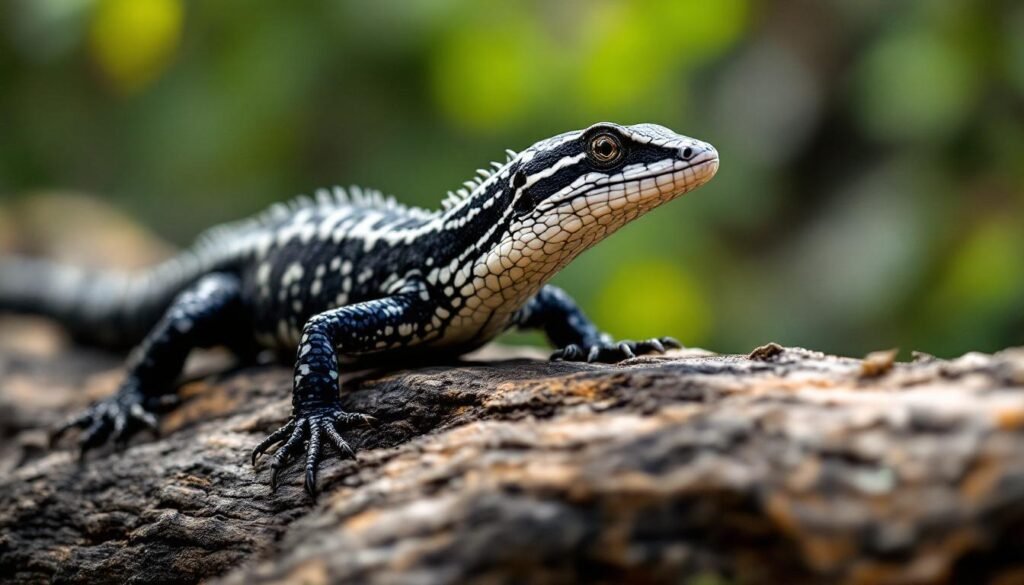
Tegus are among the most rewarding reptiles you can keep. These intelligent, dog-like lizards from South America have won the hearts of reptile enthusiasts worldwide — and for good reason. With proper care, a tegu can become a genuinely interactive companion that recognizes its owner and thrives in captivity. This comprehensive tegu care guide covers everything a new or experienced keeper needs to know, from enclosure setup to diet, handling, and health monitoring.
Understanding Tegus: Species Overview
The most commonly kept tegu species include the Argentine Black and White Tegu (Salvator merianae) and the Colombian Gold Tegu (Tupinambis teguixin). Argentine tegus are the most popular in the hobby due to their manageable temperament and impressive intelligence. Adult males can reach 4–5 feet in length, while females typically stay between 3–4 feet. Understanding your specific species is the first step in providing excellent tegu care.
Tegu Enclosure and Housing Requirements
One of the most critical aspects of tegu care is providing an appropriately sized enclosure. Tegus are active, curious animals that need plenty of room to roam, dig, and explore.
Enclosure Size
- Hatchlings and juveniles (up to 1 year): A 4×2×2-foot enclosure is a good starting point.
- Sub-adults (1–2 years): Upgrade to at least a 6×3×3-foot enclosure.
- Adults: A minimum of 8×4×4 feet is recommended, though bigger is always better. Many keepers build custom enclosures or convert entire rooms.
Substrate
Tegus are natural burrowers, so a deep, moisture-retaining substrate is essential. A mixture of topsoil, coconut coir, and play sand works excellently. Aim for at least 12 inches of substrate depth to allow natural burrowing behavior, which also supports proper humidity levels and psychological well-being.
Worried About Your Reptile's Health?
Upload a photo and get instant AI health analysis. Catch problems before they become expensive vet bills.
Get Free Health Check →Temperature and Humidity: Getting It Right
Maintaining correct temperature gradients is non-negotiable in tegu care. As ectotherms, tegus rely entirely on their environment to regulate body temperature.
Temperature Gradient
- Basking spot: 110–130°F (43–54°C) — this high-temperature zone is critical for digestion.
- Warm side ambient: 85–90°F (29–32°C)
- Cool side ambient: 75–80°F (24–27°C)
- Nighttime temperatures: Should not drop below 70°F (21°C)
Use a high-wattage basking bulb or a halogen flood light for the basking area, and always verify temperatures with a reliable digital thermometer or temperature gun. Avoid hot rocks, which can cause burns.
Humidity Levels
Argentine tegus require humidity levels between 60–80%. Proper humidity is essential for healthy shedding and respiratory function. Mist the enclosure daily or every other day, and use a hygrometer to monitor levels consistently. A humid hide — a covered box filled with damp sphagnum moss — gives your tegu a microclimate to retreat to when it needs extra moisture.
UVB Lighting for Tegus
Tegus benefit significantly from UVB lighting. Quality UVB exposure helps tegus synthesize vitamin D3, which is essential for calcium metabolism and preventing metabolic bone disease. Use a high-output UVB bulb (T5 HO 10.0 or equivalent) positioned 10–12 inches above the basking area. Replace UVB bulbs every 6–12 months, even if they still appear to be emitting visible light, as UVB output degrades over time.
Never Miss Early Warning Signs
AI photo analysis catches subtle health issues humans miss 80% of the time. Early detection = healthier reptile + lower vet bills.
Start Free Trial →Tegu Diet: What and How Often to Feed
Tegus are omnivores with a hearty appetite. A varied, nutritionally balanced diet is key to a long, healthy life.
Protein Sources
- Whole prey items: mice, rats, quail, chicks (excellent staples)
- Raw ground turkey or chicken (occasionally)
- Eggs (raw or hard-boiled)
- Insects: roaches, crickets, superworms (great for juveniles)
- Fish: tilapia, salmon (in moderation)
Fruits and Vegetables
- Leafy greens: collard greens, turnip greens, dandelion greens
- Squash, bell peppers, and carrots
- Fruits: strawberries, blueberries, mango (as occasional treats — high sugar)
Feeding Schedule
Juvenile tegus should be fed daily to support rapid growth. Sub-adults and adults can be fed every 2–3 days. Always dust food with a calcium supplement (without D3 if using proper UVB) at most feedings, and use a multivitamin supplement once a week. Fresh water should be available at all times in a large, heavy dish.
Handling and Taming Your Tegu
One of the most exciting aspects of tegu ownership is their capacity for tameness. With consistent, patient handling, most tegus become remarkably docile and even affectionate.
- Start slow: For new tegus, begin with short handling sessions of 5–10 minutes.
- Be consistent: Handle your tegu daily or near-daily to build trust.
- Read body language: A relaxed tegu will have a still tail and calm eyes. Puffing up, tail whipping, or hissing are signs to give space.
- Never grab from above: Approach from the side to avoid triggering a prey response.
- Support the body: Always support your tegu’s full body weight during handling.
Patience is the most important tool in taming. Most tegus, even those that were defensive as hatchlings, can become calm and handleable with time and trust-building.
Join thousands of successful reptile owners
Try ReptileCoach Free →Brumation: The Tegu Hibernation Period
Argentine tegus undergo a period of brumation — a reptile equivalent of hibernation — typically from late fall through early spring. During this time, your tegu may become lethargic, stop eating, and spend most of its time underground. This is completely normal. Reduce feeding leading up to brumation, maintain cooler ambient temperatures, and allow your tegu to sleep undisturbed. Always ensure fresh water is accessible throughout this period.
Common Health Issues in Tegus
Even with excellent tegu care, health problems can arise. Knowing what to watch for helps you act quickly.
- Metabolic Bone Disease (MBD): Caused by calcium or D3 deficiency. Symptoms include soft bones, tremors, and deformity. Prevent with proper UVB and supplementation.
- Respiratory Infections: Often caused by low temperatures or humidity issues. Look for wheezing, mucus, or open-mouth breathing.
- Parasites: Internal and external parasites are common, especially in wild-caught animals. Fecal tests by a reptile vet are recommended annually.
- Retained Shed: Inadequate humidity is the usual culprit. Provide a humid hide and warm soaks to assist shedding.
Always work with a reptile-experienced veterinarian (an exotic vet) and schedule annual wellness checkups to keep your tegu in peak condition.
Final Thoughts on Tegu Care
Keeping a tegu is a long-term commitment — these lizards can live 15–20 years in captivity with proper care. The investment in the right enclosure, diet, lighting, and handling pays off enormously when your tegu greets you at the glass and settles comfortably in your lap. Whether you’re a first-time tegu keeper or looking to refine your husbandry, following this tegu care guide will set you and your lizard up for success.
"This app saved my bearded dragon's life. The AI caught early MBD in photos I thought looked completely normal. Worth every penny!"
— Sarah K., ReptileCoach User
Get Your Free 7-Day Trial →Track your tegu’s care routine with the ReptileCoach App — your all-in-one reptile care tracker.
Ready to Give Your Reptile the Best Care?
Stop guessing and start knowing. Get personalized AI-powered care guidance, photo health analysis, and 24/7 expert advice for YOUR specific reptile.
Get Personalized Care Guidance
AI-powered photo analysis and daily care tracking for YOUR reptile
Try Free for 7 Days →