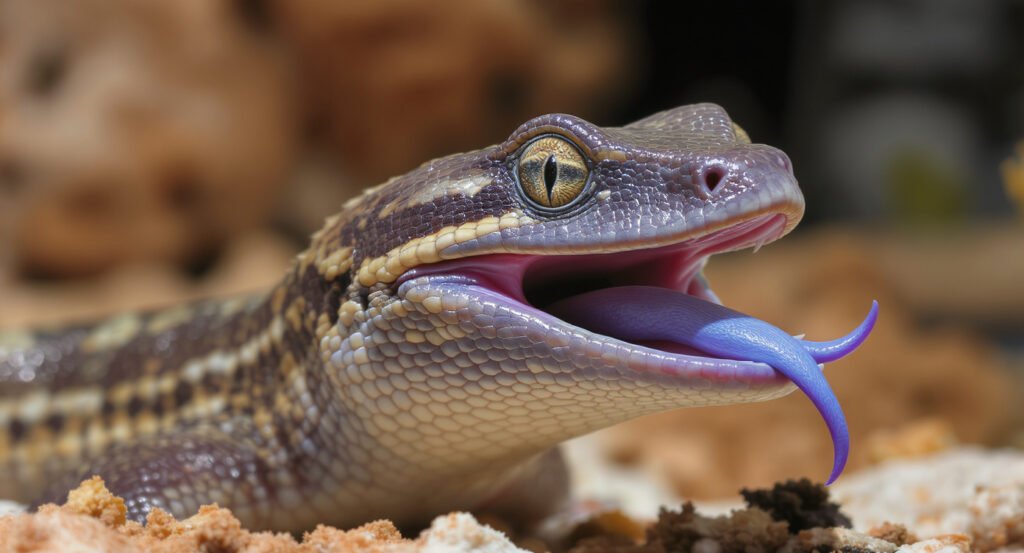
When your blue-tongued skink refuses food, it’s natural to worry. Loss of appetite in blue tongue skinks is one of the most common concerns among reptile owners, but it’s often solvable once you identify the underlying cause. This guide covers the most frequent reasons why blue tongue skinks stop eating and what you can do about it.
Understanding Normal Eating Patterns in Blue-Tongued Skinks
Before troubleshooting, it’s important to know what’s normal. Blue-tongued skinks are opportunistic eaters in the wild, and their appetite can naturally fluctuate. Juvenile skinks typically eat every day or every other day, while adults may eat 2-3 times per week. Seasonal variations, breeding cycles, and growth phases all affect appetite.
If your skink has only skipped one or two meals and otherwise appears healthy and active, this may not indicate a problem. However, prolonged appetite loss lasting more than a week warrants investigation.
Common Reasons Your Blue Tongue Skink Won’t Eat
1. Incorrect Temperature
Temperature issues are the leading cause of appetite loss in blue-tongued skinks. These reptiles are ectothermic and rely on external heat to digest food properly. If their enclosure is too cold, their metabolism slows dramatically, and they’ll refuse food to avoid digestive complications.
Worried About Your Reptile's Health?
Upload a photo and get instant AI health analysis. Catch problems before they become expensive vet bills.
Get Free Health Check →Solution: Verify your temperature gradient with a reliable thermometer. The basking spot should reach 95-100°F (35-38°C), with a cool side around 75-80°F (24-27°C). Nighttime temperatures can drop to 70-75°F (21-24°C). Use a thermostat-controlled heat source and check temperatures at multiple locations in the enclosure.
2. Stress from Environment or Handling
Blue-tongued skinks are generally hardy, but they’re sensitive to stress, especially when newly acquired or after enclosure changes. New environments, excessive handling, loud noises, or the presence of other pets can all suppress appetite.
Solution: Give your skink time to acclimate. New arrivals may not eat for 1-2 weeks while adjusting. Minimize handling during this period, ensure adequate hiding spots, and place the enclosure in a quiet area. Once settled, gradually introduce regular handling sessions.
3. Shedding Cycle
Many blue-tongued skinks reduce or stop eating entirely during the shedding process. This is completely normal behavior and typically resolves once the shed is complete.
Never Miss Early Warning Signs
AI photo analysis catches subtle health issues humans miss 80% of the time. Early detection = healthier reptile + lower vet bills.
Start Free Trial →Solution: Look for signs of impending shed: dull, grayish skin, cloudy eyes, or behavioral changes. Ensure humidity levels are appropriate (40-60%) to facilitate a clean shed. Provide a humid hide and a soaking dish. Resume normal feeding 24-48 hours after the shed completes.
4. Brumation
Brumation is a period of dormancy similar to hibernation. During cooler months, blue-tongued skinks may naturally reduce activity and stop eating for weeks or even months. This is particularly common in adults and follows seasonal cues.
Solution: If temperatures have dropped seasonally and your skink is otherwise healthy, brumation may be natural. Reduce feeding attempts but maintain fresh water. Monitor weight and condition. If brumation is unwanted, gradually increase temperatures and photoperiod to maintain activity.
5. Illness or Parasites
Respiratory infections, metabolic bone disease, parasitic infections, and digestive issues can all cause appetite loss. Additional symptoms typically accompany illness: lethargy, weight loss, abnormal feces, mucus around the mouth or nose, or difficulty breathing.
Join thousands of successful reptile owners
Try ReptileCoach Free →Solution: If your skink shows signs of illness beyond appetite loss, consult a reptile veterinarian immediately. Fecal testing can identify parasites, and a physical exam can detect other health issues. Early intervention significantly improves outcomes.
6. Improper Diet or Food Preferences
Blue-tongued skinks can be picky eaters. They may reject certain food items, become bored with repetitive meals, or refuse improperly prepared food. Feeding too many insects or not enough variety can also cause nutritional imbalances that affect appetite.
Solution: Offer a varied diet consisting of 50% vegetables (leafy greens, squash, bell peppers), 40% protein (snails, insects, cooked eggs, lean meats), and 10% fruit. Rotate food items regularly. Try different presentations: chopped, pureed, or whole. Some skinks prefer food at room temperature rather than cold from the refrigerator.
7. Improper Lighting or UVB
While blue-tongued skinks don’t require UVB as strictly as some reptiles, inadequate lighting can affect their circadian rhythm, vitamin D3 synthesis, and overall well-being, indirectly impacting appetite.
"This app saved my bearded dragon's life. The AI caught early MBD in photos I thought looked completely normal. Worth every penny!"
— Sarah K., ReptileCoach User
Get Your Free 7-Day Trial →Solution: Provide a 12-14 hour photoperiod with a quality UVB bulb (5.0-10.0 strength) positioned 12-18 inches from the basking spot. Replace UVB bulbs every 6-12 months even if they still emit visible light, as UVB output diminishes over time.
Need personalized care advice? Try our AI Reptile Coach for instant expert guidance.
Troubleshooting Steps: What to Do When Your Skink Won’t Eat
- Check temperatures first – This solves the majority of appetite issues
- Review recent changes – New enclosure, substrate, or routine?
- Examine your skink closely – Look for signs of illness, injury, or shedding
- Assess husbandry – Lighting, humidity, enclosure size, and cleanliness
- Try different foods – Offer strong-smelling options like snails or canned dog food
- Give it time – If all parameters are correct and no illness signs are present, wait 3-5 days
- Document everything – Track feeding attempts, temperatures, and behaviors
When to See a Reptile Veterinarian
While many appetite issues resolve with husbandry adjustments, certain situations require professional veterinary care:
- No food intake for more than 2 weeks (adults) or 1 week (juveniles)
- Visible weight loss or muscle wasting
- Respiratory symptoms: wheezing, mucus, open-mouth breathing
- Abnormal feces: bloody, extremely watery, or absent for extended periods
- Lethargy combined with appetite loss
- Visible parasites or abnormal lumps
- Regurgitation of food
A qualified reptile veterinarian can perform diagnostic testing, prescribe medications if needed, and provide assisted feeding protocols for severely malnourished animals.
Worried About Your Reptile's Health?
Upload a photo and get instant AI health analysis. Catch problems before they become expensive vet bills.
Get Free Health Check →Encouraging Your Blue-Tongued Skink to Eat
Once you’ve addressed environmental and health factors, these techniques can help stimulate appetite:
- Offer food during peak activity times – Usually morning after basking
- Use movement – Wiggle food with tongs to trigger prey drive
- Try strong scents – Canned cat food, salmon, or repti-boost can be enticing
- Reduce stress – Feed in a quiet, calm environment
- Maintain consistency – Establish a regular feeding schedule
- Optimize presentation – Some skinks prefer food in a shallow dish, others from tongs
Prevention: Maintaining a Healthy Appetite
The best approach to appetite problems is prevention through excellent husbandry:
- Maintain proper temperature gradients consistently
- Provide appropriate UVB lighting on a regular schedule
- Offer varied, nutritionally complete diets
- Minimize stress through proper handling and enclosure placement
- Conduct regular health checks and weight monitoring
- Schedule annual veterinary wellness exams
- Keep detailed care logs to identify patterns
Final Thoughts
A blue-tongued skink not eating is concerning but usually manageable. Start by checking temperatures and recent husbandry changes, as these account for most appetite issues. Rule out shedding and seasonal brumation as natural causes. If your skink shows additional symptoms or refuses food for an extended period, don’t hesitate to consult a reptile veterinarian.
With patience, proper care adjustments, and attention to your skink’s individual needs, most appetite problems resolve quickly. Remember that each blue-tongued skink is an individual with unique preferences and behaviors. The key is creating an environment where your skink feels secure, comfortable, and properly supported to thrive.
Never Miss Early Warning Signs
AI photo analysis catches subtle health issues humans miss 80% of the time. Early detection = healthier reptile + lower vet bills.
Start Free Trial →Ready to Give Your Reptile the Best Care?
Stop guessing and start knowing. Get personalized AI-powered care guidance, photo health analysis, and 24/7 expert advice for YOUR specific reptile.
Get Personalized Care Guidance
AI-powered photo analysis and daily care tracking for YOUR reptile
Try Free for 7 Days →