
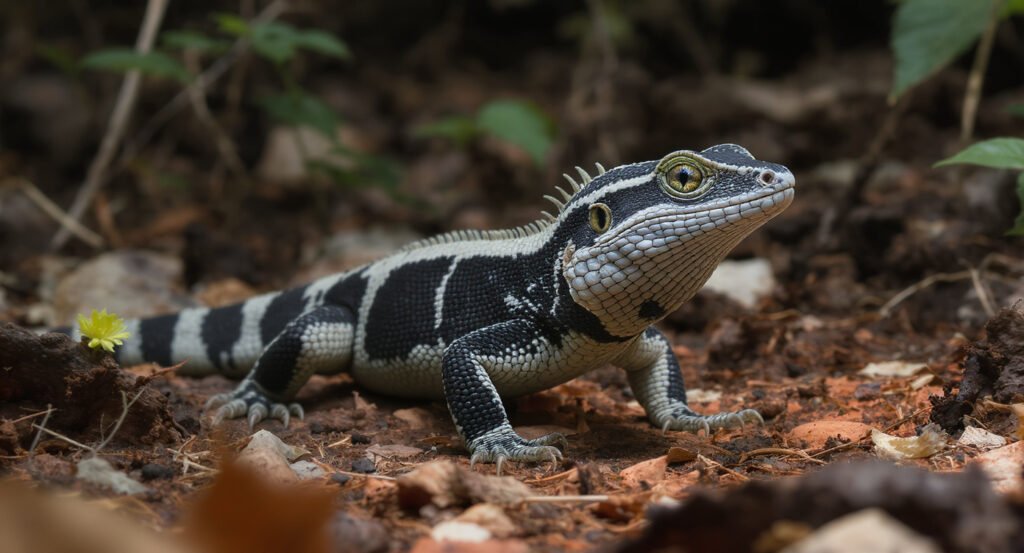
Tegus are intelligent, docile lizards that make rewarding pets for reptile enthusiasts willing to meet their substantial care requirements. These large South American lizards can grow up to 4-5 feet long and live 15-20 years with proper care. This comprehensive tegu care guide covers everything beginners need to know about housing, feeding, handling, and maintaining the health of these remarkable reptiles.
Understanding Tegu Species
The most common species kept as pets are Argentine black and white tegus (Salvator merianae) and red tegus (Salvator rufescens). Both species have similar care requirements, though red tegus tend to be slightly smaller. Tegus are known for their intelligence, often recognizing their owners and displaying dog-like behaviors such as following their keepers around.
Housing Requirements for Tegus
Proper housing is critical for tegu health and wellbeing. Adult tegus require substantial space to thrive.
Enclosure Size
Hatchling tegus can start in a 40-gallon terrarium, but adults need enclosures measuring at least 8 feet long by 4 feet wide by 4 feet tall. Many keepers build custom enclosures or dedicate entire rooms to their tegus. The larger the enclosure, the better, as these active lizards need space to explore, climb, and exercise.
Worried About Your Reptile's Health?
Upload a photo and get instant AI health analysis. Catch problems before they become expensive vet bills.
Get Free Health Check →Substrate
Choose substrates that allow natural burrowing behavior. Cypress mulch, coconut coir, or a soil-based substrate mix work well. Provide substrate depth of at least 6-8 inches so your tegu can dig and burrow. Avoid substrates like sand or walnut shells that can cause impaction if ingested.
Temperature and Lighting
Tegus are ectothermic and require proper temperature gradients. Create a basking spot of 100-110°F using heat lamps or ceramic heat emitters. The cool end should stay around 75-80°F. Nighttime temperatures can drop to 70-75°F. Use thermometers at multiple points to monitor temperatures accurately.
Provide UVB lighting for 10-12 hours daily using a high-quality UVB bulb (10-12% UVB output). This is essential for vitamin D3 synthesis and calcium absorption. Replace UVB bulbs every 6-12 months as their effectiveness diminishes over time.
Feeding Your Tegu
Tegus are omnivores with diverse dietary needs that change as they mature.
Never Miss Early Warning Signs
AI photo analysis catches subtle health issues humans miss 80% of the time. Early detection = healthier reptile + lower vet bills.
Start Free Trial →Juvenile Diet
Young tegus require more protein for growth. Feed them daily with a diet consisting of 70% protein and 30% fruits and vegetables. Protein sources include insects (dubia roaches, crickets, hornworms), ground turkey, chicken, eggs, and occasional pinkie mice. Dust insects with calcium powder containing vitamin D3 three times weekly.
Adult Diet
Adult tegus can eat 3-4 times weekly with a more balanced diet of 50% protein and 50% produce. Offer whole prey items like mice and chicks occasionally, along with lean ground meats, eggs, and organ meats. Fruits and vegetables should include leafy greens (collard greens, mustard greens), squash, berries, and melons. Avoid spinach, avocado, and rhubarb which can be harmful.
Always provide fresh water in a large bowl. Tegus enjoy soaking and may defecate in their water, so clean and refill daily.
Handling and Temperament
Tegus are generally docile but require consistent handling to remain tame. Start handling sessions when your tegu is young, keeping them brief at first (5-10 minutes) and gradually increasing duration. Support their entire body when lifting them, and never grab them by the tail.
Join thousands of successful reptile owners
Try ReptileCoach Free →Watch for signs of stress including hissing, whipping the tail, or attempting to bite. If your tegu displays these behaviors, return them to their enclosure and try again later. Well-socialized tegus often enjoy being out of their enclosures and interacting with their owners.
Need personalized guidance on reptile care? Check out the Reptile Coach app for expert advice tailored to your specific setup and species.
Brumation: A Natural Cycle
Tegus undergo brumation, a hibernation-like state, during winter months. As daylight decreases in fall, your tegu will become less active and eat less. This is normal behavior. Gradually reduce feeding and temperatures over several weeks. During brumation (typically 4-6 months), maintain temperatures around 50-60°F in a separate brumation box with substrate for burrowing.
Check on your tegu weekly during brumation but avoid disturbing them unnecessarily. As spring approaches, gradually increase temperatures and light exposure to wake them from brumation.
"This app saved my bearded dragon's life. The AI caught early MBD in photos I thought looked completely normal. Worth every penny!"
— Sarah K., ReptileCoach User
Get Your Free 7-Day Trial →Health Concerns and Veterinary Care
Regular health monitoring helps catch issues early. Watch for signs of illness including lethargy, loss of appetite, abnormal feces, swelling, discharge from eyes or nose, or difficulty breathing.
Common Health Issues
- Metabolic Bone Disease (MBD): Caused by insufficient calcium or UVB exposure. Symptoms include soft jaw, tremors, and difficulty walking.
- Respiratory Infections: Often result from improper temperatures or humidity. Signs include wheezing, mucus discharge, and open-mouth breathing.
- Parasites: Internal parasites are common in wild-caught specimens. Annual fecal exams by a reptile veterinarian are recommended.
- Obesity: Overfeeding leads to obesity. Monitor body condition and adjust feeding accordingly.
Establish care with an exotic animal veterinarian experienced with reptiles before problems arise. Annual checkups help maintain your tegu’s health.
Setting Up for Success
Before bringing home a tegu, ensure you have:
- A properly sized enclosure with appropriate heating and lighting
- Quality substrate and hiding spots
- Thermometers and hygrometers for monitoring conditions
- A varied diet of protein sources and produce
- Calcium and vitamin supplements
- A relationship with a reptile veterinarian
- Commitment to daily care for 15-20 years
Conclusion
Tegus make fascinating pets for dedicated reptile keepers. Their intelligence, personality, and interactive nature set them apart from many other reptile species. However, they require significant space, financial investment, and time commitment. By providing proper housing, nutrition, handling, and veterinary care, you’ll enjoy a rewarding relationship with these remarkable lizards for years to come.
Worried About Your Reptile's Health?
Upload a photo and get instant AI health analysis. Catch problems before they become expensive vet bills.
Get Free Health Check →Research thoroughly, prepare adequately, and commit to meeting their needs before acquiring a tegu. With proper care, your tegu will thrive and become a beloved member of your family.
Ready to Give Your Reptile the Best Care?
Stop guessing and start knowing. Get personalized AI-powered care guidance, photo health analysis, and 24/7 expert advice for YOUR specific reptile.
Get Personalized Care Guidance
AI-powered photo analysis and daily care tracking for YOUR reptile
Try Free for 7 Days →