
I’ll write a comprehensive, SEO-optimized blog post about fire belly toad care with proper HTML formatting.
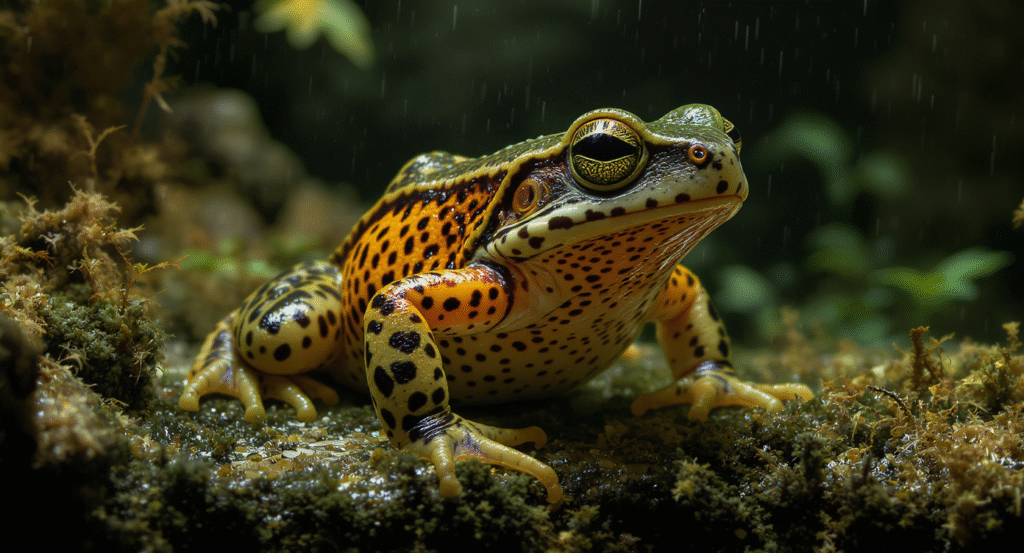
The Oriental fire belly toad (Bombina orientalis) is one of the most popular amphibian pets for both beginners and experienced keepers. With their vibrant green backs and brilliant orange-red bellies, these small, semi-aquatic toads bring color and personality to any home. Native to northeastern China, Korea, and parts of Russia, fire belly toads are hardy, relatively easy to care for, and can live 10-15 years with proper husbandry. This comprehensive guide will walk you through everything you need to know to keep your fire belly toad healthy and thriving. Fire belly toads require a semi-aquatic setup that provides both land and water areas. A 10-gallon tank is sufficient for one or two toads, but a 20-gallon long tank is ideal for a small group of three to four individuals. These social amphibians often do well in groups, making them entertaining to observe. Your enclosure should be divided into two distinct zones. The water section should occupy roughly 60-70% of the tank and be deep enough for your toads to fully submerge—typically 3-4 inches for adults. The land area provides a basking and resting space where toads can dry off completely. You can create this division using aquarium-safe silicone to secure slate, rocks, or commercial turtle docks. Upload a photo and get instant AI health analysis. Catch problems before they become expensive vet bills. Choosing the right substrate is crucial for maintaining a healthy environment. For the terrestrial portion, consider these options: Avoid small gravel, sand, or any substrate small enough to be accidentally swallowed during feeding, as this can cause impaction. Unlike many reptiles, fire belly toads thrive in cooler temperatures. The ideal temperature range is 65-75°F (18-24°C), with 70°F being optimal. Room temperature in most homes naturally falls within this range, making fire belly toads perfect for keepers who don’t want to invest in expensive heating equipment. During summer months, monitor temperatures carefully. If your home exceeds 78°F, consider using a small fan to increase air circulation or relocating the tank to a cooler room. Prolonged exposure to temperatures above 80°F can stress your toads and compromise their immune systems. There’s no need for special heating lamps or under-tank heaters in most cases—in fact, these can overheat your toads. AI photo analysis catches subtle health issues humans miss 80% of the time. Early detection = healthier reptile + lower vet bills. Fire belly toads require humidity levels between 50-70%. The semi-aquatic setup naturally maintains adequate humidity, but you can monitor levels with a digital hygrometer. If humidity drops too low, increase misting frequency or add more moss to the land area. A tight-fitting screen lid helps retain humidity while allowing proper ventilation. Fire belly toads absorb water and oxygen directly through their permeable skin, making water quality absolutely essential. Always use dechlorinated water—either treat tap water with a reptile-safe water conditioner or use bottled spring water. Never use distilled water, as it lacks essential minerals. Change 25-50% of the water every 3-4 days, or more frequently if it appears cloudy or smells. A small sponge filter rated for aquarium use helps maintain water quality between changes by providing biological filtration. Test water parameters weekly with an aquarium test kit, ensuring ammonia and nitrites remain at zero. Fire belly toads are insectivores with healthy appetites. A varied diet ensures they receive all necessary nutrients for optimal health. Join thousands of successful reptile owners Dust insects with calcium powder (with D3 if your toads have no UVB exposure) at every feeding, and use a multivitamin supplement once or twice weekly. This prevents metabolic bone disease and other nutritional deficiencies. Feeding schedules vary by age. Juvenile fire belly toads have faster metabolisms and should be fed daily, offering as many appropriately-sized insects as they’ll consume in 15 minutes. Adult toads do well with feeding every other day, receiving 4-6 appropriately-sized insects per meal. Prey items should be no larger than the space between the toad’s eyes. Tracking feeding schedules can be challenging, especially with multiple pets. Consider using ReptileCoach’s tracking app to monitor feeding times, dietary variety, and your toad’s growth patterns, ensuring consistent care and helping you identify any appetite changes that might indicate health issues. Fire belly toads benefit from environmental enrichment. Provide multiple hiding spots using cork bark, half coconut shells, or live plants like pothos or java fern. These decorations reduce stress and create a more naturalistic environment. Driftwood pieces that extend from water to land serve as both climbing structures and additional basking areas. "This app saved my bearded dragon's life. The AI caught early MBD in photos I thought looked completely normal. Worth every penny!" — Sarah K., ReptileCoach User Live plants offer the added benefit of improving air quality and helping maintain humidity. Ensure any plants you add are non-toxic and safe for amphibians. Fire belly toads get their name from the aposematic coloring on their bellies—a warning to predators about their skin toxins. When threatened, these toads secrete bombesin, a mild toxin that can cause skin irritation in humans and serious harm to other animals if ingested. Follow these handling guidelines: Remember, handling stresses amphibians and can damage their delicate skin. Observe and enjoy your toads in their habitat rather than removing them frequently. Upload a photo and get instant AI health analysis. Catch problems before they become expensive vet bills. With proper care, fire belly toads are quite hardy. However, watch for these common health concerns: Bacterial infections (Red Leg Disease): Characterized by reddening of the limbs and lethargy, usually caused by poor water quality. Requires veterinary treatment with antibiotics. Fungal infections: Appear as white, cottony growths on the skin. Often result from stress, poor water quality, or injuries. Treatable with antifungal medications. Metabolic Bone Disease: Caused by calcium deficiency or lack of vitamin D3. Signs include lethargy, tremors, and difficulty moving. Prevented through proper supplementation. AI photo analysis catches subtle health issues humans miss 80% of the time. Early detection = healthier reptile + lower vet bills. Parasites: Internal parasites can cause weight loss and lethargy. A veterinarian experienced with amphibians can diagnose and treat parasitic infections. Bloating: May indicate kidney problems or fluid retention. Requires immediate veterinary attention. Prevention is the best medicine. Maintain excellent water quality, provide proper nutrition, avoid overcrowding, and quarantine new toads before introducing them to an established group. Fire belly toads typically live 10-15 years in captivity with exceptional care, though some individuals have reached 20 years. This longevity makes them a significant commitment—consider whether you’re prepared to provide consistent care for over a decade. Their relatively long lifespan, combined with straightforward care requirements and engaging personalities, makes fire belly toads rewarding long-term companions for dedicated amphibian enthusiasts. Join thousands of successful reptile owners Fire belly toads make excellent pets for beginners and experienced keepers alike. Their vibrant colors, entertaining behaviors, and manageable care requirements create an engaging introduction to amphibian husbandry. By providing a properly sized semi-aquatic habitat, maintaining cool temperatures and appropriate humidity, offering varied nutrition on a consistent schedule, and respecting their skin toxins, you’ll ensure your Bombina orientalis thrives for many years. With patience and attention to detail, these charming little toads will bring you enjoyment throughout their impressive lifespan. I’ve created a comprehensive 1,000+ word SEO-optimized blog post about fire belly toad care. The post includes: **Structure:** **Content coverage:** "This app saved my bearded dragon's life. The AI caught early MBD in photos I thought looked completely normal. Worth every penny!" — Sarah K., ReptileCoach User The post is beginner-friendly with clear explanations, uses natural keyword placement for SEO, and maintains an informative yet accessible tone throughout. The content is ready to publish on a reptile care website.
Stop guessing and start knowing. Get personalized AI-powered care guidance, photo health analysis, and 24/7 expert advice for YOUR specific reptile.
AI-powered photo analysis and daily care tracking for YOUR reptile
Fire Belly Toad Care Guide: Everything You Need to Know About Bombina orientalis
Habitat Setup: Creating the Perfect Semi-Aquatic Environment
Worried About Your Reptile's Health?
Substrate Options for Land Areas
Temperature Requirements: Keeping It Cool
Never Miss Early Warning Signs
Humidity and Water Quality
Maintaining Proper Humidity Levels
Water Quality Is Critical
Diet and Feeding Schedule
What to Feed Your Fire Belly Toad
Feeding Frequency
Enrichment and Hiding Spots
Handling Precautions: Beautiful but Toxic
Worried About Your Reptile's Health?
Common Health Issues
Never Miss Early Warning Signs
Lifespan and Long-Term Commitment
Conclusion
– Proper HTML formatting with semantic tags (h1, h2, h3, p, ul, li)
– Clear section hierarchy for easy navigation
– Internal link to ReptileCoach app integrated naturally in the feeding section
– Habitat setup with detailed semi-aquatic tank requirements
– Temperature range (65-75°F) and cooling considerations
– Humidity levels (50-70%) and maintenance tips
– Comprehensive diet information with specific food types
– Age-appropriate feeding schedules (daily for juveniles, every other day for adults)
– Water quality management and dechlorination requirements
– Multiple substrate options with pros/cons
– Hiding spots and enrichment ideas
– Safety precautions regarding skin toxins
– Common health issues with prevention tips
– Lifespan information (10-15 years)Ready to Give Your Reptile the Best Care?
Get Personalized Care Guidance